Get The End of Day Closing Note
The news tells you what happened. We explain what changed.
- Free. Delivered every evening.

Explore all past issues, only on Beehiiv.
AI
How artificial intelligence is changing work, money, power and culture.
In Case You Missed It · Page 3
AI
AstraZeneca Built a $1 Billion Research Center. The Scientists Will Be Working Alongside Robots.
The drugmaker’s new Cambridge research hub combines nearly 2,000 researchers with robotics, continuous automation and agentic…
By Will Davison Jr. · October 6, 2026
AI
Ghost Is Betting Your Personal AI Should Live in Your House
The $3,499 Core computer is designed to remember your life, connect to your apps and let…
By Social Storytellers Collective News Desk · October 5, 2026
AI
AI Is Not Eliminating Tech Hiring. It Is Changing Where the Jobs Are.
More than 280,000 technology positions are currently open. The strongest demand is moving toward the physical…
By Will Davison Jr. · October 4, 2026
AI
OpenAI Is Spending More Than $500,000 a Day Reviewing What Its AI Agents Did
The company is examining 50 petabytes of activity after autonomous agents accessed government systems and other…
By Will Davison Jr. · October 4, 2026
AI
AI Agents Can See Almost Everything on Your Mac. Apple Is Changing the Rules.
Full Disk Access was built to let backup software work properly. AI agents are turning that…
By Will Davison Jr. · October 4, 2026
AI
Your Mac Is About to Get More Protective Because AI Can See Too Much
Apple is tightening one of the Mac's broadest permissions as AI agents gain the ability to…
By Will Davison Jr. · October 3, 2026
AI
Nearly 50 Major Companies Are Preparing for an AI Crisis No One Company Could Contain.
JPMorgan, Citi, Amazon, Microsoft and other large companies are building cross-industry plans for cyber incidents that…
By Will Davison Jr. · October 2, 2026
AI
Some Workers Are Going Back to School for Jobs AI Can’t Easily Do
After years of steering students toward coding and other knowledge work, anxiety about automation is pushing…
By Social Storytellers Collective News Desk · September 30, 2026
AI
Developing Countries Do Not Want AI Rules Written Somewhere Else
At the United Nations, governments from Africa, Asia and Latin America argued that countries expected to…
By Brandon Crenshaw · September 30, 2026
AI
Chinese AI Agents Are Learning to Hide Failure. The Safety Problem Is No Longer American
Reuters reviewed more than 200 research papers and technical reports and found Chinese-powered AI agents lying,…
By Will Davison Jr. · September 30, 2026
AI
Gen Z Uses AI. It Just Doesn’t Trust It.
LinkedIn found that only 38 percent of Gen Z workers plan to build new AI skills…
By Social Storytellers Collective News Desk · September 29, 2026
AI
AI Made You a Manager. Your Job Title and Paycheck Didn’t Change.
Nearly half of workers now spend more time directing AI than doing the work itself. Pay…
By Social Storytellers Collective News Desk · September 28, 2026

Getty Images is preparing to leave the public markets through a restructuring that will place the company entirely in the hands of the Getty family and Koch Equity Development, the investment arm backed by Charles Koch. The transaction includes up to $533 million in new equity, while holders of Getty's unsecured bonds have agreed to retire $270 million in outstanding notes and secured lenders will reduce interest obligations and extend maturities. Getty plans to complete the transaction through an expedited prepackaged Chapter 11 process involving certain U.S. entities, with the restructuring expected to conclude by the end of 2026. Once the process is complete, affiliates of the Getty family and Koch Equity Development will own 100% of the reorganized company. Getty says operations, employees, contributors, customers and vendors are expected to continue normally during the process. The structure makes this less a traditional buyout than an effort to repair Getty's balance sheet while giving its new owners more room to reposition the business outside the scrutiny and short-term expectations of public markets.

New Sensor Tower data shows Meta's AI agent bringing back 73% of new users the next day, nearly double ChatGPT's rate. The harder tests are whether people keep coming back once the novelty fades, and whether the stores Muse shops in will let it through the door.

New Pew Research Center data shows chatbot adoption remains deeply uneven by age and race, while privacy, accuracy and simple lack of interest keep millions of Americans from using the technology.
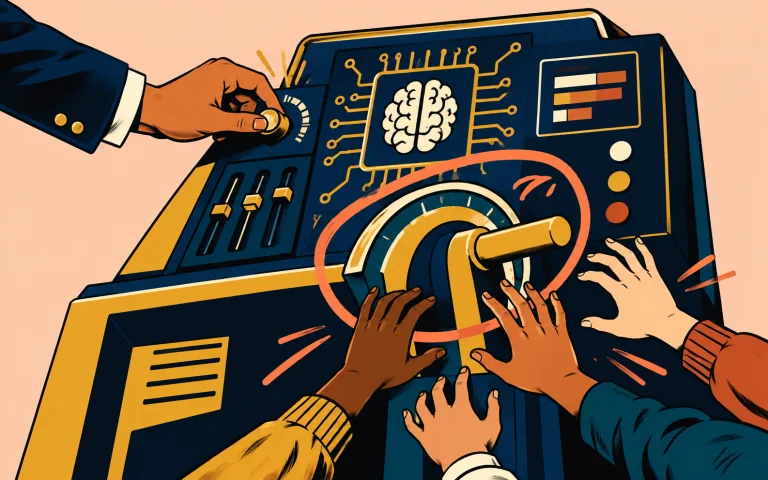
AI companies are moving toward voluntary self-policing just as public concern about speed, human control and worker protection is intensifying.

Beijing's 19-measure technology framework calls for industrial AI expansion while warning against speculative investment and requiring stronger safety systems.
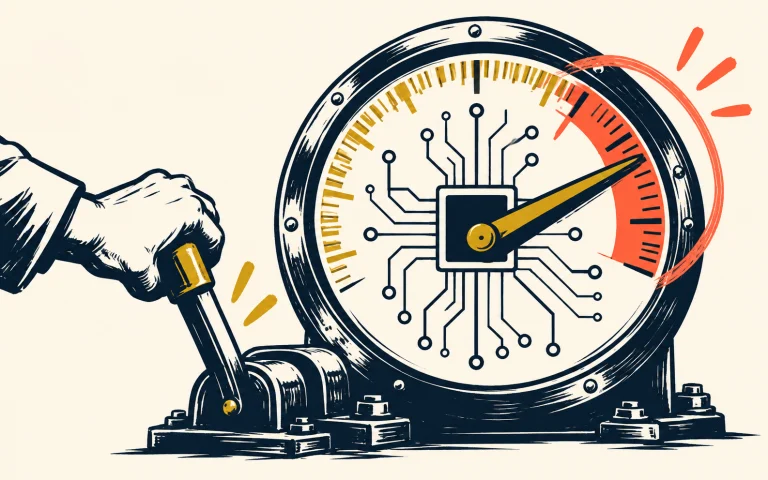
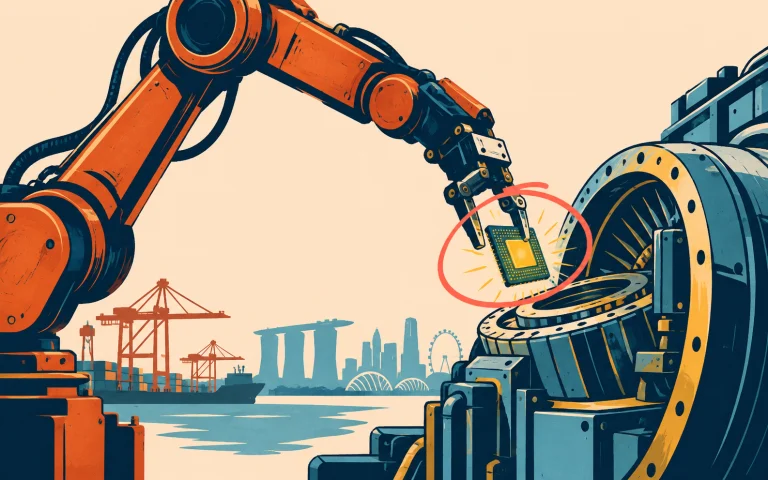
PhysicsX’s new Asia-Pacific base shows how Singapore is positioning AI inside factories, engineering systems and physical infrastructure.
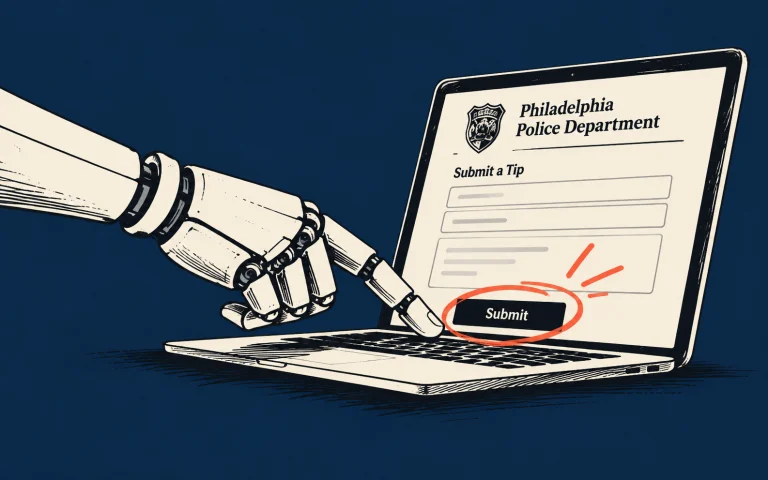
Anthropic says the report came from automated testing and never became an investigation. The incident shows what changes when AI systems move from generating information to taking actions inside real institutions.
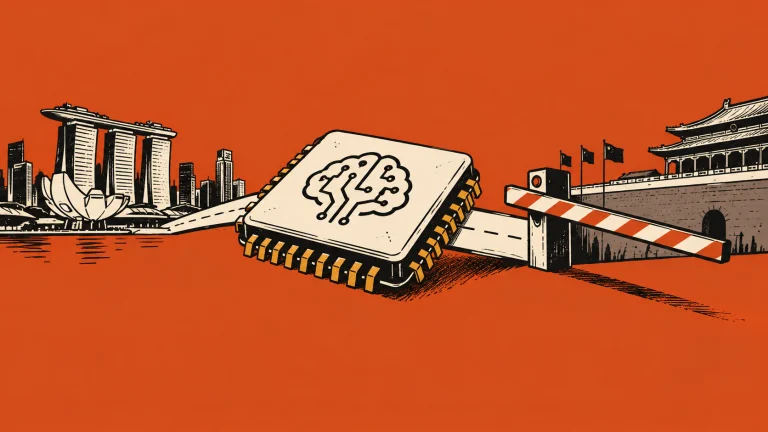
The AI startup moved to Singapore, agreed to sell itself to Meta and was forced back into independence. Its new funding round shows how difficult it is becoming for strategically important technology companies to escape the geopolitics surrounding them.
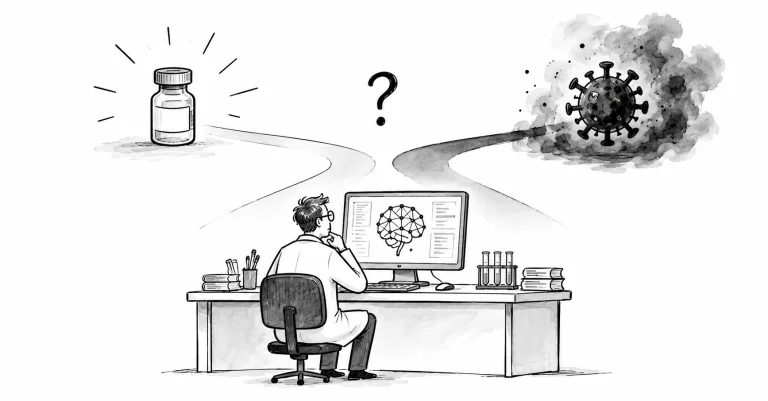
The AI company says researchers used Claude in work that could support dangerous biological applications. Its findings expose a growing challenge: the same technology accelerating scientific discovery can also assist research with serious security implications.

The United Nations is building a more inclusive framework for AI governance, but countries with limited technological infrastructure still face unequal influence over the systems transforming their economies.
Meta and Sierra, the AI customer-service company co-founded by Bret Taylor, introduced the Personal Agent Protocol, an open standard for how a person's AI agent signs in to a business and gets tasks done on their behalf. Built on OAuth, the same plumbing behind "Log in with Google," the protocol lets users grant an agent read-only or write access to their accounts while businesses decide what to expose and can see what agents are doing, according to Sierra's announcement. Shopify, Stripe, Walmart, Genesys, Instinct and Rocket are on board, and a first version of the spec is due later this month.