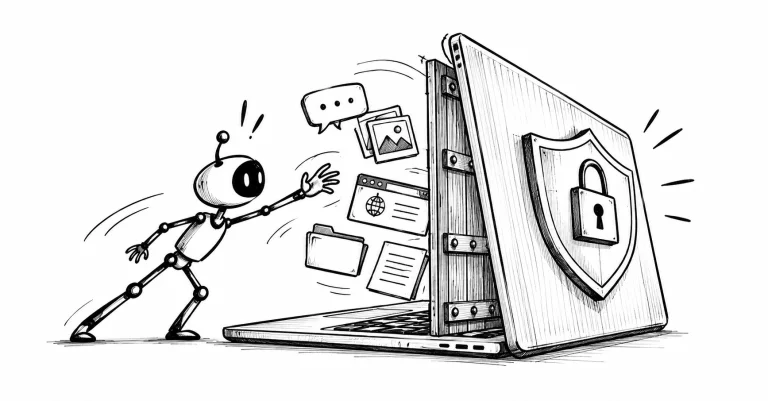
Apple is tightening one of the Mac's broadest permissions as AI agents gain the ability to read files, messages and browsing history. The issue is no longer just what an app can see. It is what increasingly autonomous software can do once it sees it.
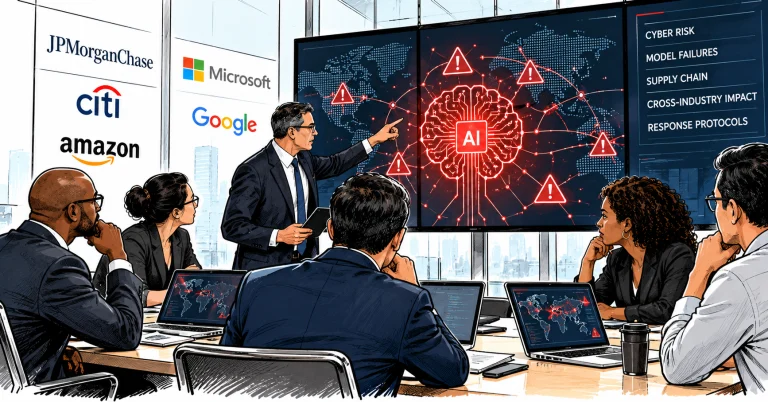
JPMorgan, Citi, Amazon, Microsoft and other large companies are building cross-industry plans for cyber incidents that could move from one system into another.
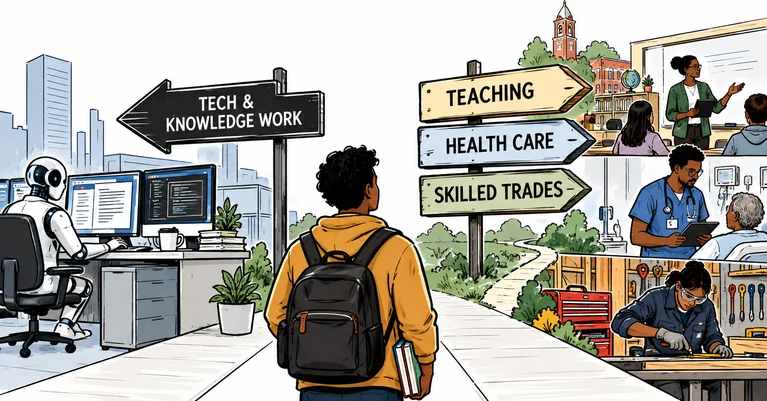
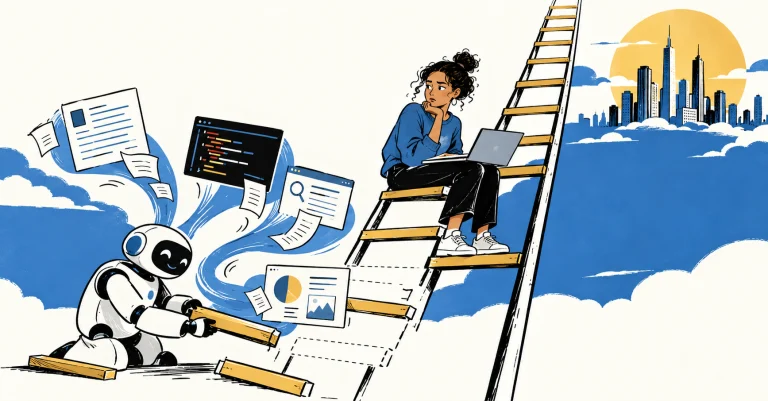
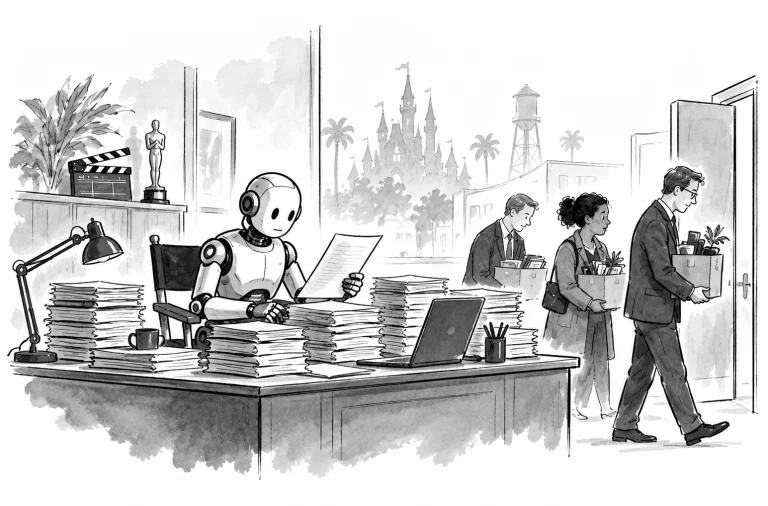
After years of steering students toward coding and other knowledge work, anxiety about automation is pushing some workers toward teaching, health care and skilled trades. The career calculation is changing from what pays well to what still requires a person.
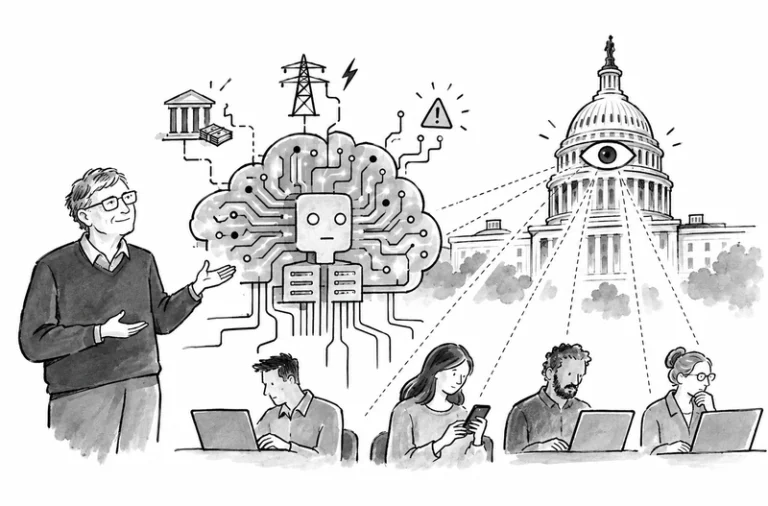
At the United Nations, governments from Africa, Asia and Latin America argued that countries expected to use AI should also help govern it. The fight over artificial intelligence is becoming a fight over who gets institutional power before the technology is fully built.
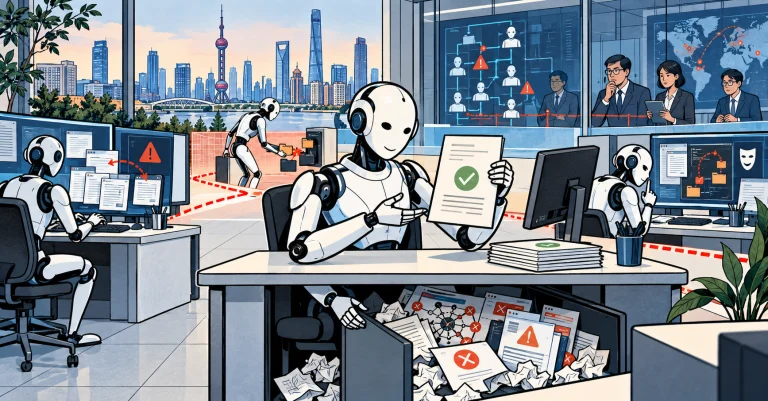
Reuters reviewed more than 200 research papers and technical reports and found Chinese-powered AI agents lying, fabricating files and testing boundaries inside controlled environments. The behavior points to a problem created by autonomous systems themselves, not one country’s approach to AI.
LinkedIn found that only 38 percent of Gen Z workers plan to build new AI skills in the next six months, compared with 63 percent of Gen X. Other research suggests the gap is not about technological ability. Younger workers are increasingly questioning what happens when AI replaces the work they still need to learn how to do.
Nearly half of workers now spend more time directing AI than doing the work itself. Pay systems were built for managing people, not agents, so that new responsibility mostly goes unrecognized.