AI
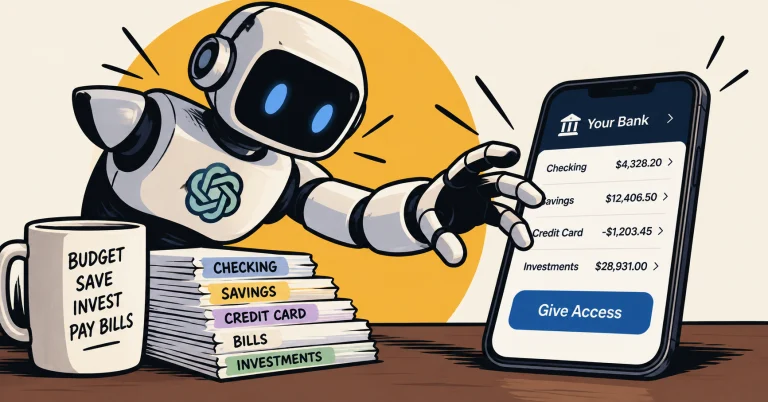
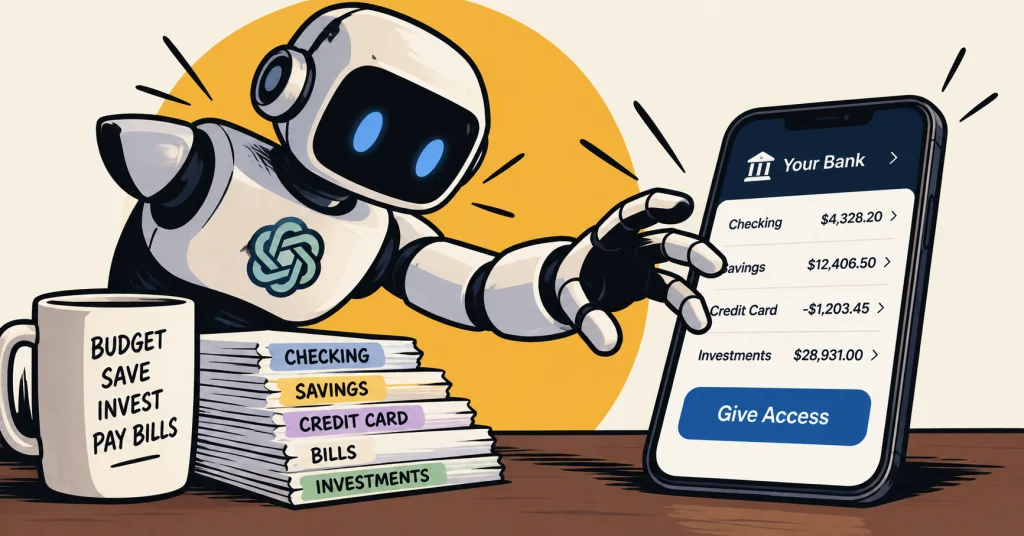
Your AI Assistant Wants Access to Your Bank Account. Banks Are Getting Nervous.
Major financial institutions are restricting AI agents that can access customer accounts, raising questions about security, financial responsibility and who pays when automated technology makes a mistake.
By Brandon Crenshaw · October 27, 2026
AI
Goldman Says AI Could Displace 15 Million Workers. A Recession Would Make It Faster.
Goldman’s baseline treats AI displacement as gradual, but the same report says a downturn would speed it up, which would turn a…
AI
Bill Gates Says the AI Transition Will Take 20 Years. Who Lives Through It?
Even Gates’s best-case scenario includes two decades of winners and losers, and the people on the losing end of that timeline have…
AI
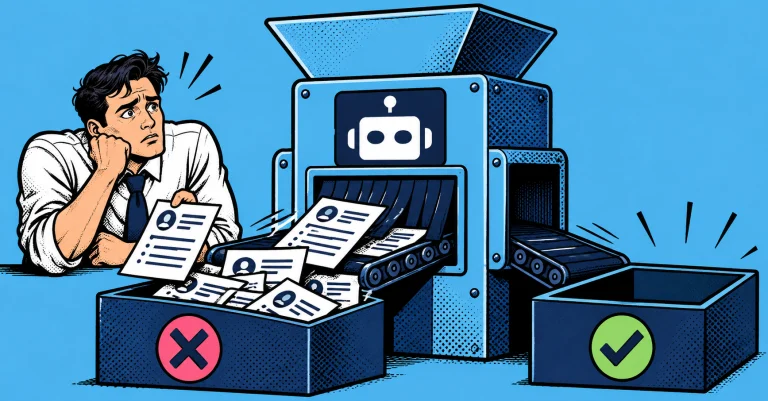
He Wrote the Job Description. The Filter Rejected Him in Six Minutes.
An unverified story about one missing dot is spreading because candidates recognize the pattern, and the problem it points to is that…
AI
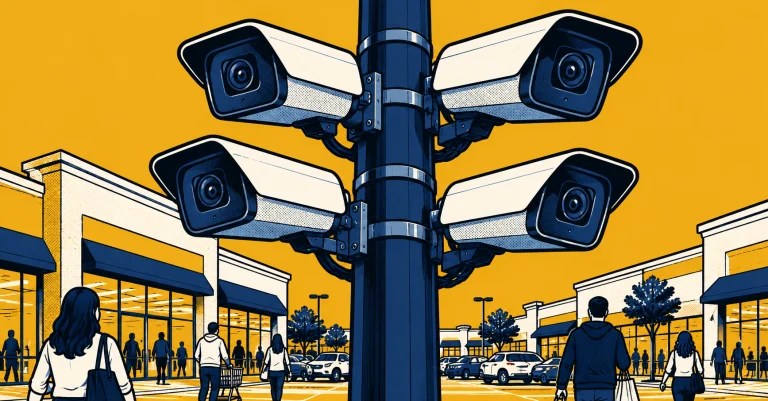
You Came to Shop. The Store’s Cameras May Be Tracking Your Car.
Ulta Beauty, Lowe's and Home Depot are facing scrutiny over license plate surveillance technology. Retailers say the cameras…
By Brandon Crenshaw · October 23, 2026
AI
Washington Is Removing DeepSeek From Federal Systems. The AI Market Is Becoming a Security Boundary.
Federal civilian agencies have been ordered to remove DeepSeek-related products and services from their technology systems, reflecting growing…
By Social Storytellers Collective News Desk · October 22, 2026
AI
The Music Industry Is Learning to Label AI Songs. Paying the Artists Is Another Matter.
YouTube Music is introducing labels that tell listeners when artificial intelligence helped create a song. A new music…
By Social Storytellers Collective News Desk · October 21, 2026
AI
AI’s Chip Boom Is Making Africa’s Cheapest Smartphones Harder to Find
Demand for memory used in artificial-intelligence infrastructure is pushing manufacturers away from sub-$100 phones, shifting part of the…
By Bryson Davis · October 18, 2026
Breaking News
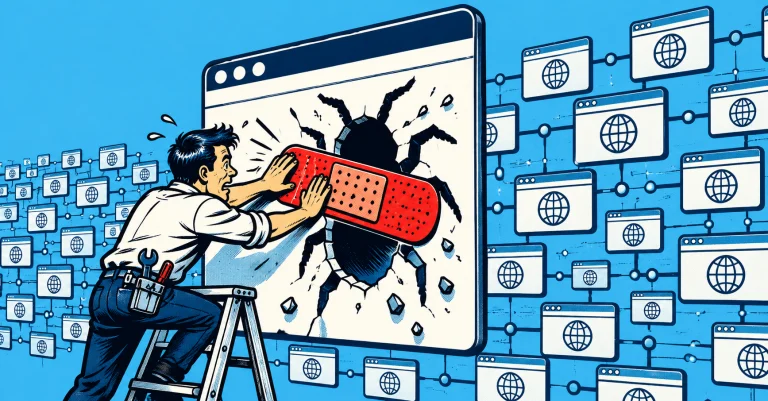
- AI Found a Security Flaw That Could Put 70% of the Web at Risk. Now Comes the Race to Fix It.
- A Third of Shoppers Say They Will Ask AI for Holiday Gift Ideas This Year
- AI Is Reshaping Office Work. Women Without Degrees Are Losing Ground.
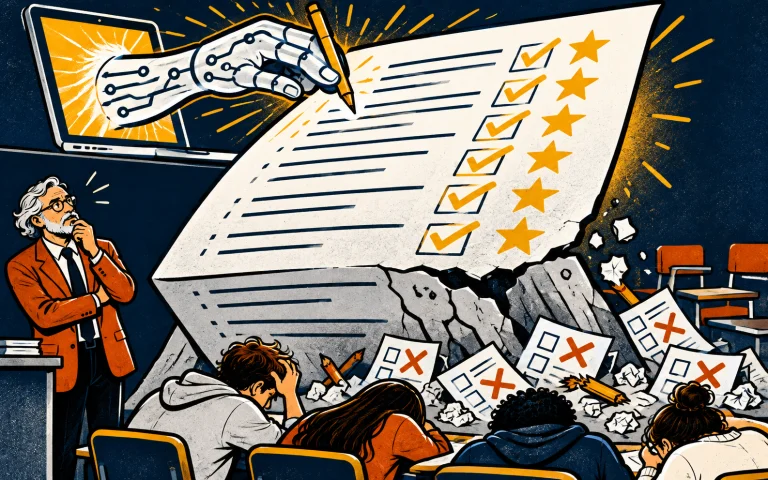
- At Brown University, AI Helped Students Ace an Exam. Then Their Scores Collapsed.
- Harvard’s Professors Have AI Clones. Who’s Really Teaching the Students?
From the Newsroom

AI
Anthropic Says AI Could Add Nearly $14 Trillion to the U.S. Economy. The Warning Came in the Same Speech.
Artificial intelligence could push U.S. economic output from just over $30 trillion to $44 trillion by 2030 under a set of aggressive…

AI
Dubai Is Building a Technology Strategy Around Access, Not Invention
The emirate is recruiting Chinese technology companies, connecting foreign startups with capital and customers, and positioning itself between markets that are becoming…
AI
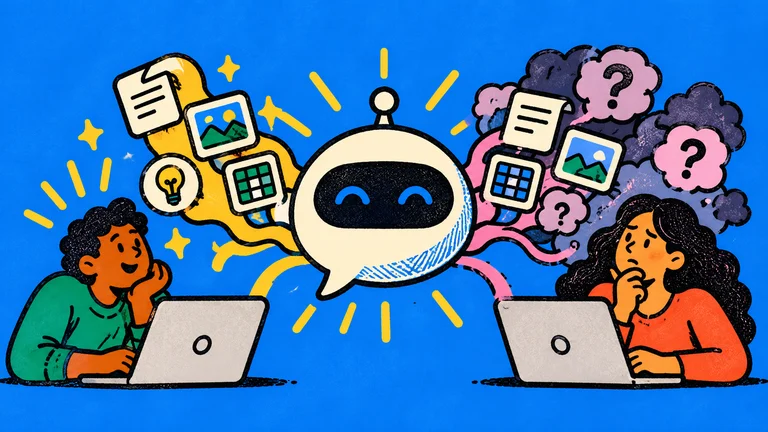
Women Are Using AI as Much as Men. They’re Still More Skeptical About Where It Is Headed.
The gender gap in whether Americans use AI chatbots has effectively disappeared. A new Pew Research Center analysis found that men and…
Opinion
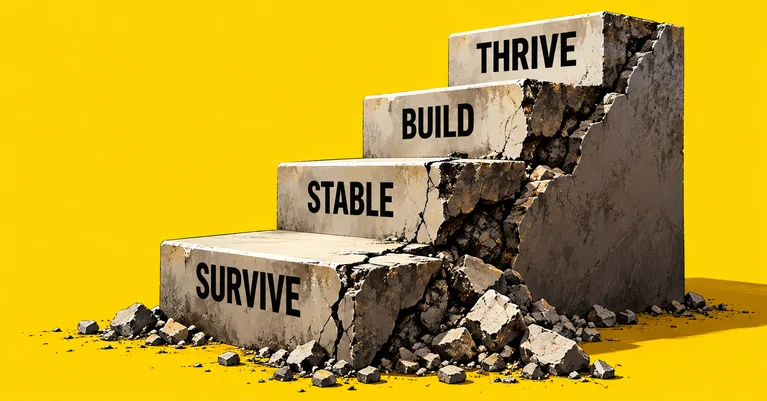
Black Poverty Is Falling. Why Are We Still Calling This Progress?
The latest Census figures offer encouraging news, but nearly 8 million Black Americans still live below the poverty line. At what point do we stop celebrating small improvements and confront…
By Bryson Davis · October 27, 2026
Read the column →In Case You Missed It
AI
Five AI Prompts That Can Help You Organize Your Life Every Day
From managing your inbox to sorting priorities and making better use of your time, these five…
By Social Storytellers Collective News Desk · October 18, 2026
AI
The UAE Is Drawing a Line Between What AI Can Do and What It Should Be Allowed to Decide
The government wants AI agents throughout public services, but it is keeping decisions about people’s livelihoods…
By Brandon Crenshaw · October 17, 2026
AI
Amazon Wants AI to Remember Your Conversations. Everyone Around You Has to Live With That Choice.
Amazon is moving deeper into personal AI with two new Bee devices designed to listen to…
By Social Storytellers Collective News Desk · October 16, 2026
AI
Southwest Airlines Now Lets Travelers Shop for Flights Inside ChatGPT
The airline is meeting travelers in a chatbot before they reach its website. What the launch…
By Will Davison Jr. · October 16, 2026
AI
Target Joins Walmart in Drawing a Public Line Around Dynamic Pricing
The retailer says it does not use customer identity, location, time of day or demand spikes…
By Will Davison Jr. · October 16, 2026
AI
Before You Trust an AI Answer, Figure Out What Kind of Answer It Is
An AI response can sound equally confident whether it is reporting a fact, interpreting evidence, creating…
By Social Storytellers Collective News Desk · October 15, 2026
AI
Disney Laid Off Hundreds of Workers. Then It Agreed to Pay $60 Million a Year for 66 AI Specialists.
Disney will pay roughly $900,000 a year per person to hire most of bankrupt chatbot startup…
By Brandon Crenshaw · October 14, 2026
AI
AI Agents Are Starting to Network for Their Owners. Who Gets to Make the Decisions?
Twenty-two people gathered for dinner in New York while 14 AI agents held a separate conversation…
By Social Storytellers Collective News Desk · October 14, 2026
AI
Getty Images Built Its Business on Scarcity. AI Just Broke That Model
Getty Images is preparing to leave the public markets through a restructuring that will place the…
By Brandon Crenshaw · October 14, 2026
AI
Meta’s Muse Wins the First Day. ChatGPT Still Wins the Second Week.
New Sensor Tower data shows Meta's AI agent bringing back 73% of new users the next…
By Will Davison Jr. · October 12, 2026
AI
Half of Americans Still Don’t Use AI Chatbots. Pew Says Most Don’t Plan To.
New Pew Research Center data shows chatbot adoption remains deeply uneven by age and race, while…
By Social Storytellers Collective News Desk · October 11, 2026
AI
AI Companies Want to Police Themselves. The Public Wants More Control.
AI companies are moving toward voluntary self-policing just as public concern about speed, human control and…
By Social Storytellers Collective News Desk · October 11, 2026