Get The End of Day Closing Note
The news tells you what happened. We explain what changed.
- Free. Delivered every evening.

Explore all past issues, only on Beehiiv.
City Signals
All City Signals stories, newest first.
In Case You Missed It · Page 2
City Signals
Nearly 10,000 Students Have Left Alief ISD. Now Neighborhood Schools Could Close.
Enrollment has fallen 21% in eight years, leaving nearly half the district's elementary schools below half…
By Social Storytellers Collective News Desk · October 19, 2026
City Signals
386 Affordable Homes Open in Brooklyn. The Rents Will Decide Who Gets to Stay.
The first phase of a nearly 2,000-home development on a megachurch's East New York campus is…
By Social Storytellers Collective News Desk · October 18, 2026
City Signals
Houston Is Paying $24 Million to End a Water Fight It Could Not Let Continue
The settlement exposes a weakness in major public infrastructure projects: once a city becomes dependent on…
By Social Storytellers Collective News Desk · October 17, 2026
City Signals
The Geography of Opportunity: Why Where You Live Still Determines What You Can Reach
Jobs, healthcare and education can exist in the same metropolitan area without being practically reachable by…
By Social Storytellers Collective News Desk · October 15, 2026
City Signals
Houston Kept Property Taxes Flat. Its $88 Million Budget Gap Still Has to Be Paid For.
Houston officials say they can close a widening budget shortfall without increasing the property tax rate.…
By Social Storytellers Collective News Desk · October 15, 2026
City Signals
Liberty Lost $600,000 Without a Network Hack. The Email Looked Close Enough.
Scammers allegedly used a lookalike email domain to impersonate a legitimate vendor and redirect a real…
By Brandon Crenshaw · October 14, 2026
City Signals
When Staying in New York Costs More Than the Life It Gives You
Christian did not leave New York City because he stopped loving it. He left because remaining…
By Will Davison Jr. · October 14, 2026
City Signals
New York Is Preparing to End a 150-Year Carriage Tradition in Central Park.
New York City is moving toward banning horse-drawn carriage rides in Central Park by 2028, potentially ending…
By Social Storytellers Collective News Desk · October 14, 2026
City Signals
People Keep Entering New York’s Sewers. In 2026, That Cannot Be Treated as Just a Curiosity.
Groups have repeatedly been seen entering and emerging from New York City manholes, sometimes carrying or…
By Brandon Crenshaw · October 13, 2026
City Signals
Houston’s Weekend Is Running on Festivals, Art and Food Right Now.
Houston’s weekend calendar is unusually dense, with major art, food and cultural events competing for the…
By Social Storytellers Collective News Desk · October 11, 2026
City Signals
Houston’s School Takeover Is Becoming a Test of Who Controls Public Education.
An 81-page commission report proposes new limits on Texas school takeovers while supporters of the Houston…
By Social Storytellers Collective News Desk · October 10, 2026
City Signals
Baltimore’s Harborplace Rebuild Needs a Plan for the People Working There
The waterfront’s future should include clear protections for workers, small businesses and public access throughout construction.
By Social Storytellers Collective News Desk · October 5, 2026
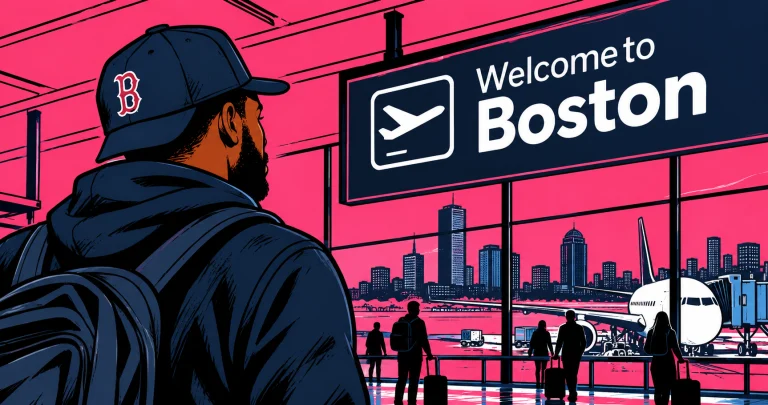
Boston Logan International Airport wants a new voice to welcome millions of travelers. Thousands of Massachusetts residents auditioned, eight finalists remain, and the public gets the final say. But the competition comes as researchers warn that the city's most recognizable accent is becoming less common.
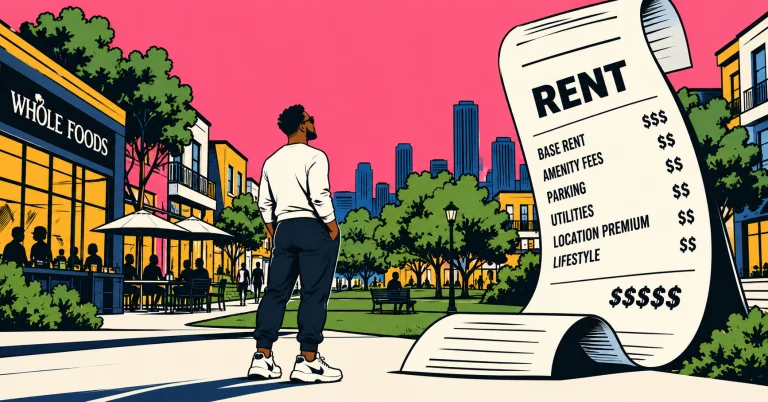
New grocery stores, renovated parks, restaurants and nightlife can transform a neighborhood into somewhere everyone wants to live. But those conveniences come with a price. From Harlem to Houston Heights, my own housing experiences reveal the complicated relationship between neighborhood improvements and affordability.

Two travelers passed through Uganda's Entebbe International Airport on the same day in early October. Both would become part of an expanding Ebola investigation, one in Kenya and the other in Nigeria. African health authorities are now examining whether their journeys intersected in a way that could help explain how the virus reached West Africa. The possibility remains unconfirmed, but the investigation has exposed a difficult problem for disease-control systems: a virus can move between countries faster than health authorities can establish where an infection occurred.

An apartment showing in Queens ended before it began when a real estate agent allegedly sent a racist message to prospective tenants. Now a Black couple is suing, raising questions about the decisions renters never see being made behind closed doors.

France's student-led demonstrations have turned violent in places, yet coverage has kept their grievances in view. That raises an old question about American journalism: whether race shapes which protests are explained and which are simply described as disorder.

For a market trader, a familiar selling location is more than a place to arrange merchandise. It is where returning customers know to find them, where goods are delivered and where daily sales generate the money needed to restock inventory and support a household. When that space disappears, even temporarily, the consequences can begin long before a new building takes its place. Traders in Accra's Madina Market are confronting that uncertainty as local authorities demolish an aging section of the commercial complex to make room for a modern facility.
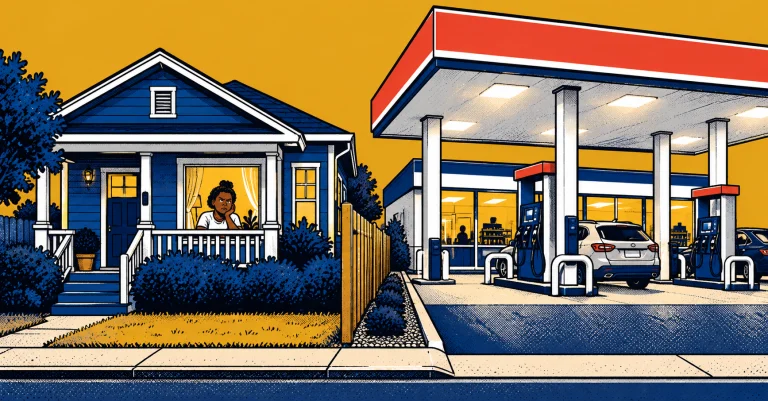
For drivers, a new gas station is a convenience. For its owner, it’s an investment. For the family next door, it can mean more cars pulling in and out, bright lights, delivery trucks, noise and worries about fuel emissions. Houston has no conventional zoning to keep homes and businesses apart the way many U.S. cities do, and those competing interests are now at the center of a proposal to limit where gas stations can go.
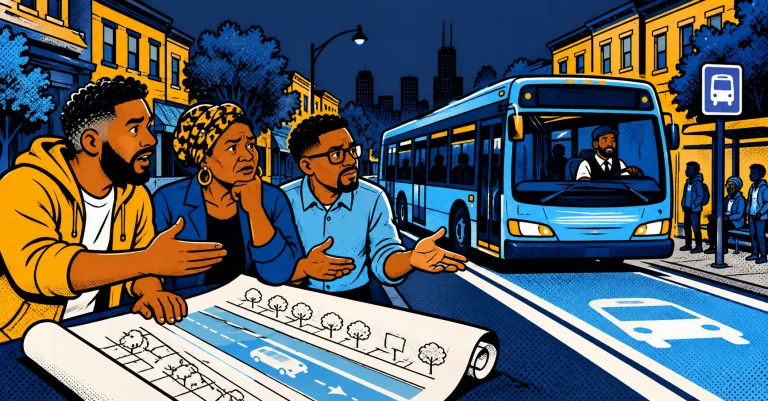
Boston wants to speed up buses on one of its busiest transit corridors. The plan has become so contentious that the City Council has voted to subpoena the head of the Massachusetts Bay Transportation Authority. What started as a $163 million transportation project is now a fight over community input, government accountability and the future of transit through historically Black neighborhoods.

A lopsided City Council vote will retire one of Central Park’s best-known attractions by 2028. Animal welfare advocates are celebrating, but carriage workers say the city is erasing their livelihoods without guaranteeing compensation.

San Francisco supervisors have approved new protections for tenants who owe less than one month's rent. The legislation raises a larger question about housing security: should a relatively small financial setback be enough to cost someone their home?
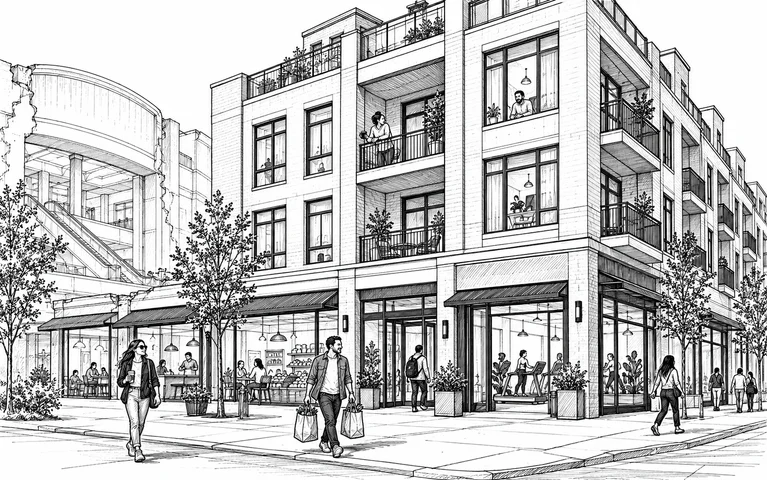
Across the country, aging shopping centers and outdated office parks are being replaced with apartments, restaurants, stores and everyday services. The strategy goes beyond walkable living: developers are building a ready-made customer base for the businesses on the same property.

Enrollment has fallen 21% in eight years, leaving nearly half the district's elementary schools below half capacity. Families could now face longer commutes, disrupted education and the loss of schools that anchor their communities.