The news tells you what happened. We explain what changed.
Explore all past issues, only on Beehiiv.
All Higher Education stories, newest first.
Higher Education
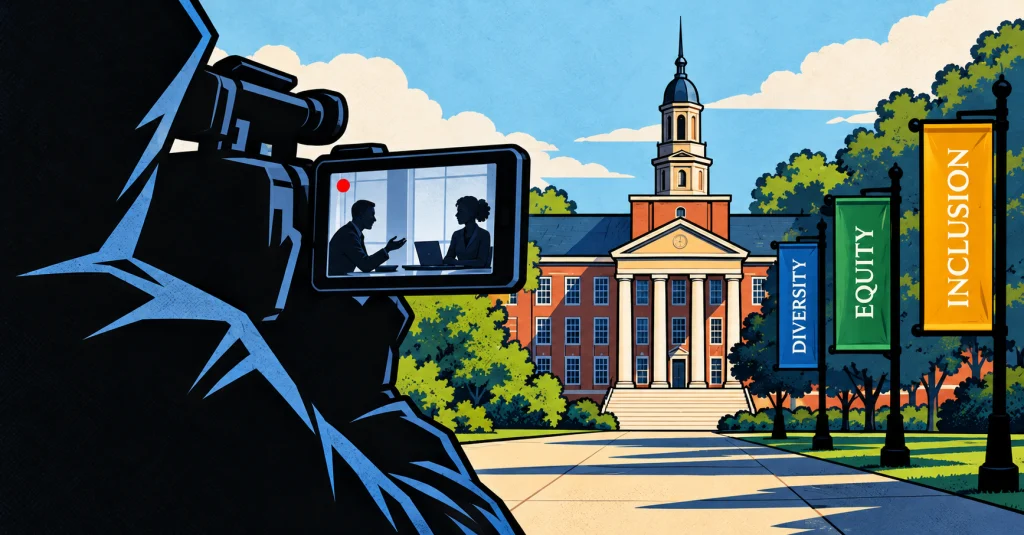
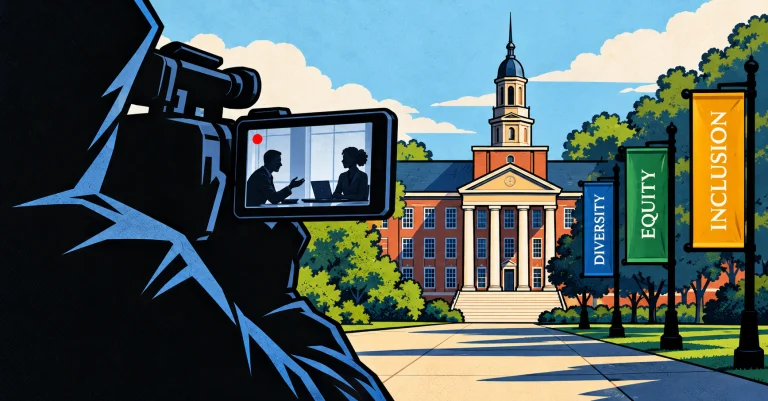
Accuracy in Media is using undercover recordings and public pressure to challenge university diversity programs. Its campaigns are also changing who gets to hold colleges accountable.
By Bryson Davis · October 27, 2026

Access Shift
New agreements with Houston-area school districts will allow more students to secure college admission with fewer application requirements. The partnerships could open…
Higher Education
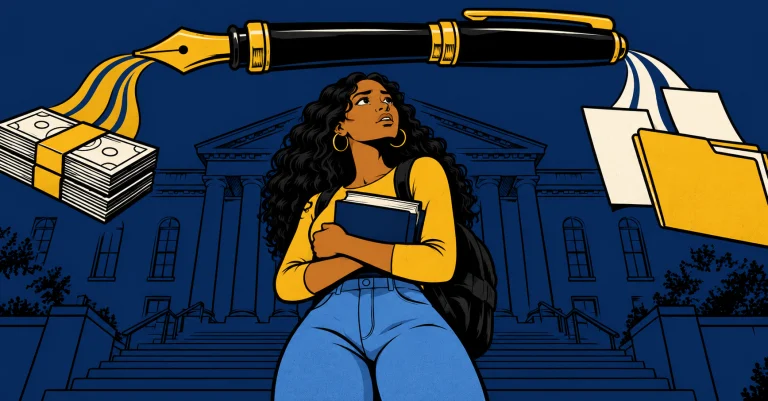
HBCUs have welcomed federal dollars routed around Congress. The same executive power is now raiding homes and subpoenaing universities, and that should…
Higher Education
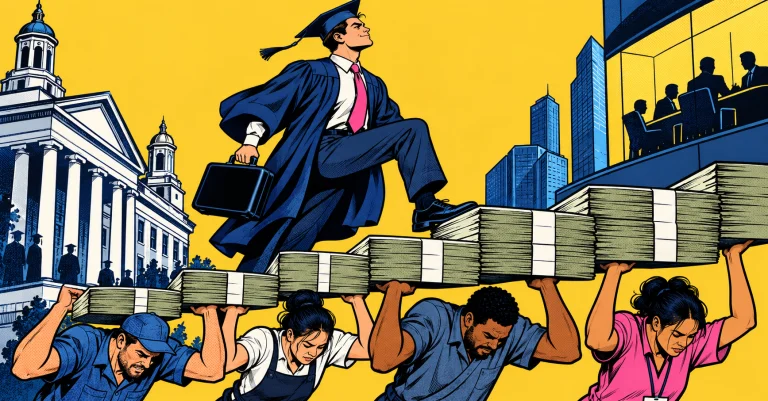
In a New York Times op-ed, Cambridge professor Chris Marquis argues that MBA programs train managers to put shareholders first and can’t…
Breaking News
All news briefs →
Opinion
The latest Census figures offer encouraging news, but nearly 8 million Black Americans still live below the poverty line. At what point do we stop celebrating small improvements and confront…
By Bryson Davis · October 27, 2026
Read the column →Accuracy in Media is using undercover recordings and public pressure to challenge university diversity programs. Its campaigns are also changing who gets to hold colleges accountable.
New agreements with Houston-area school districts will allow more students to secure college admission with fewer application requirements. The partnerships could open doors, but affordability and degree completion will determine how much opportunity they actually create.
HBCUs have welcomed federal dollars routed around Congress. The same executive power is now raiding homes and subpoenaing universities, and that should change how Black higher education thinks about its future.
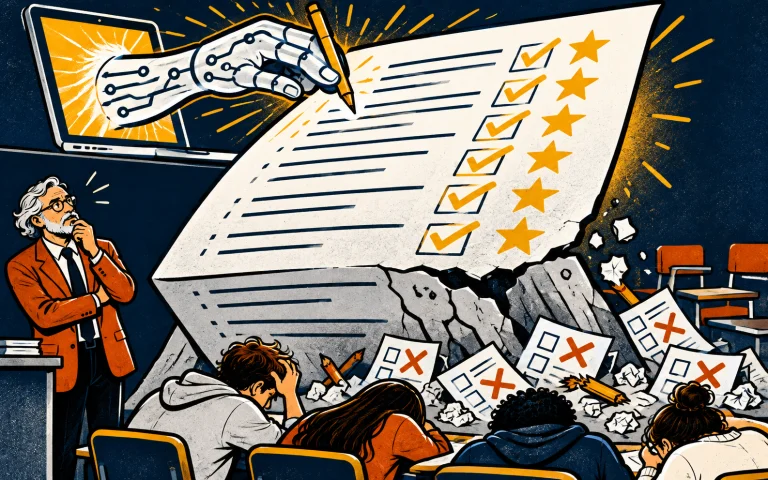
Imagine grading a college exam and discovering that nearly half the students earned perfect scores. For a professor, that might ordinarily be cause for celebration. But at Brown University, economics professor Roberto Serrano became suspicious when 40 students scored 100 on a take-home midterm in his advanced mathematical economics course. Some answers closely resembled responses generated by ChatGPT, prompting concerns about widespread AI-assisted cheating. According to EL PAÍS, Serrano believes at least 50 students cheated. When he required an in-person final exam, the class average plunged from 96 to 48, and 22 students who had previously earned perfect midterm scores did not show up. The results raise troubling questions about how much students are actually learning when artificial intelligence can complete increasingly sophisticated academic work.
In a New York Times op-ed, Cambridge professor Chris Marquis argues that MBA programs train managers to put shareholders first and can’t be fixed. His critics say he goes too far. The real question is who pays for the way business leaders are taught to think.
Harvard's endowment has reached $68 billion, yet the university has eliminated staff positions. At Temple, Penn State and Utah, financial restructuring is changing how campuses operate—and raising concerns about what students may lose.