Who Gets the Bill
October 24–30, 2026. American Express posted record profits and cut 3,500 jobs, the president bragged that America is making “a freaking fortune” off oil while drivers paid more at the pump, and Texas voters asked who’s paying for the AI boom. All week, our reporting kept circling the same question: when the cost comes due, whose name is on the bill?
Every bill has two dates on it: the day you rack it up and the day you pay it. This week, the people collecting the benefit and the people covering the cost were almost never the same people.
Companies booked the profits and sent the cuts downstream. Airlines raised fares on a fuel spike and quietly decided to keep them. A city borrowed to make this year’s budget look smaller. A billionaire spent nine figures on a Senate race in a state where his companies have billions on the line. And across 25 stories Social Storytellers Collective published from October 24 to 30, the bill kept landing in the same place: with whoever had the least say in running it up.
Work: Record Profits, Pink Slips
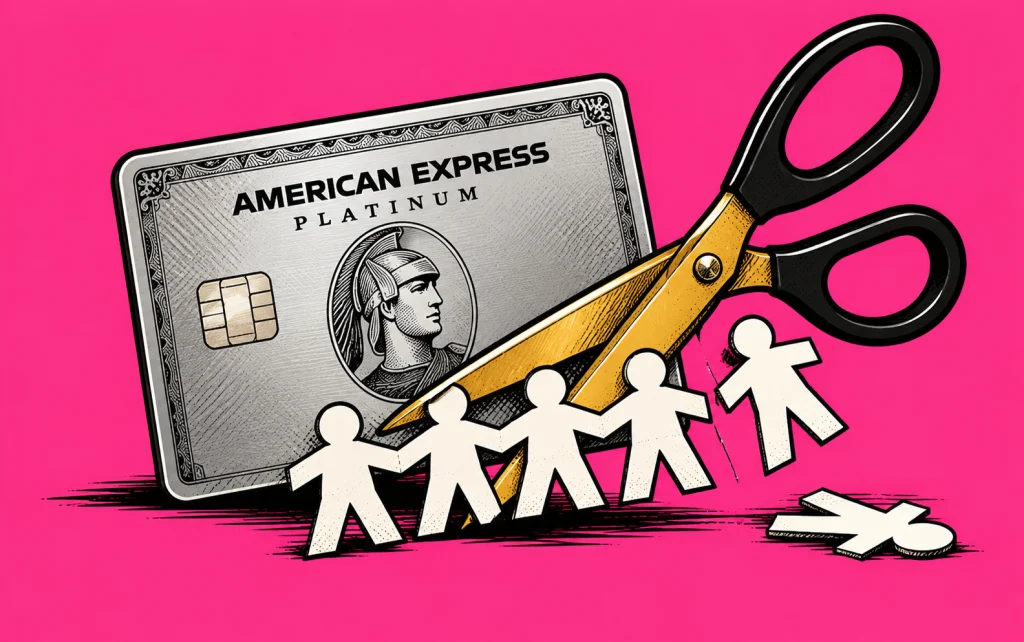
American Express had a great quarter. Revenue rose 9% to $20.06 billion, profit jumped 28% to $3.71 billion, and the Platinum Card fee went from $695 to $895. Then, in the same announcement, the company said it would cut about 3,500 jobs. That’s the new deal in corporate America: American Express is making billions, and thousands of workers are still losing their jobs. Strong earnings used to mean job security. Now they fund the restructuring.
Microsoft took a politer route to the same place. It’s offering 60,000 employees a way out, roughly 27% of its workforce, while it pours billions into AI. Amazon doesn’t even need the buyout. Internal projections show it could avoid hiring more than 600,000 U.S. workers by 2033 while selling twice as many products. Nobody gets fired. The jobs just never show up. And Goldman Sachs now says AI could displace 15 million workers, faster if a recession hits, because downturns are when “we’ll rehire later” quietly becomes “we won’t.”
The cuts don’t land evenly. Unemployment among Black women jumped from 5.9% to 7.3% in a single month as the public-sector ladder shrinks, and Black women are falling first. Then there’s Dia Harris: nearly 30 years in HR at Amazon, Boeing and Johnson & Johnson, a federal chief equity officer until the DEI purge, and now $16 an hour at a grocery store. He applied for 561 jobs after being fired, and a public DEI watchlist with his photo and salary may be why the answer keeps coming back no. The company saves the money. The worker pays the bill.
Money: The Bill Comes Later
At a rally in Perry, Georgia, the president said the quiet part into a microphone. His advisers told him not to celebrate oil profits while families struggle with gas prices. He did it anyway: “We’re making a freaking fortune.” Somebody is. So why are Americans paying more? The war that’s padding producers’ margins is the same one draining your tank.
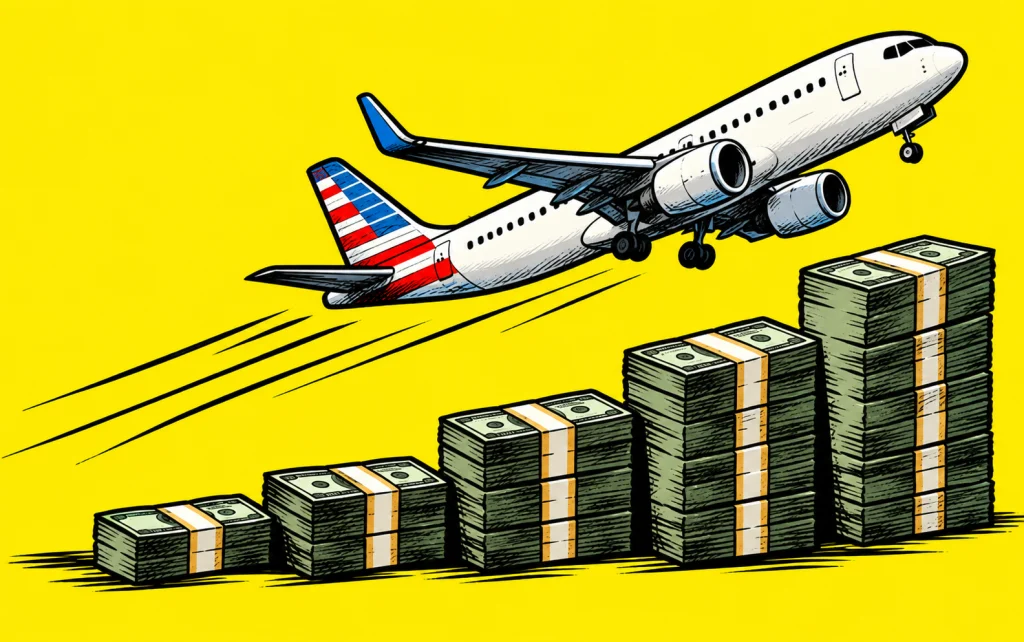
And don’t expect the relief to fly back down. American Airlines’ CFO says that even if fuel gets cheaper, fares will probably stay right where they are. Airfare is already up 22.4% in a year, and airlines are raising ticket prices with no plan to bring them down. A cost spike became a price floor. Funny how that works.
The holidays are next. Early deals feel like a win until January, when holiday shopping’s credit bill comes due on cards and buy-now-pay-later plans. Meanwhile, DoorDash is buying Instacart for $17 billion and promising more stores and maybe fewer fees. When two big competitors become one, though, it’s fair to ask who sets the price of your groceries next. Pew captured how all of this feels from the inside: a third of lower-income Americans feel stuck about money, even as most Americans still believe they’re doing better than everyone else. Everyone thinks the bill is someone else’s problem until it shows up in their own mailbox.
Cities: Who Covers the Gap
Chicago is $882 million short, and everybody agrees somebody else should pay. Mayor Brandon Johnson wants a $25-a-month head tax on every worker at companies with more than 125 employees. Business leaders say that will cost the city jobs, which is why Chicago needs $882 million and its mayor wants large companies to help pay is a fight, not a plan. The city has a second bill too. It wants to borrow $481 million for police misconduct settlements, and the interest on the first $350 million alone could run $190 million. That’s the long, expensive afterlife of police misconduct in Chicago: taxpayers paying for decisions they didn’t make, with interest.
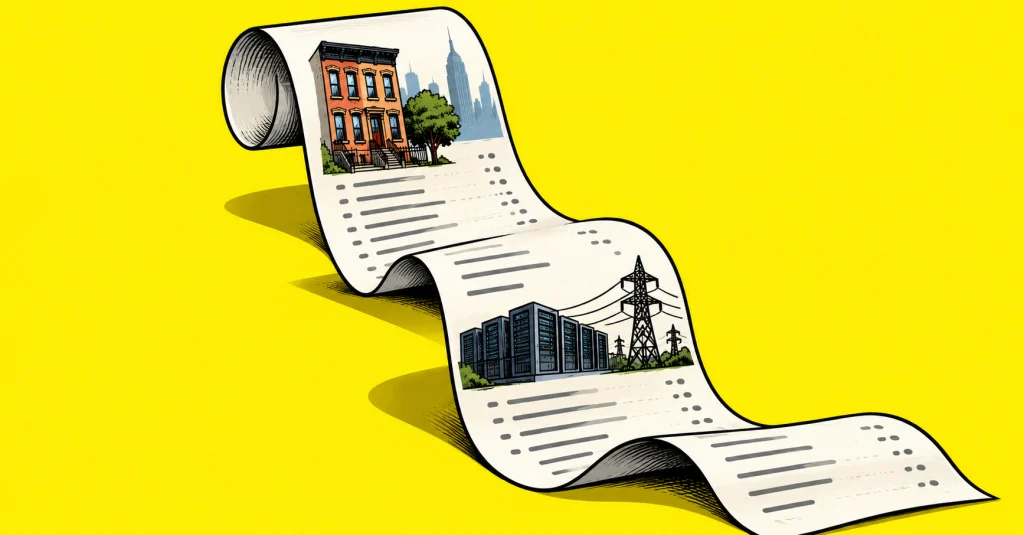
In New York, the gap is between renting and owning, and it’s enormous. Owning a typical home now costs $10,737 a month against a median rent of $3,785, so buying a home in New York costs nearly $7,000 more a month than renting. Rent is at a record high, and it’s still the cheap option. In Texas, voters already know who usually covers the gap. Ninety-nine percent of likely voters say data centers should pay for the grid expansion they need, and 76% expect one would raise their power bill anyway. Texas wants data centers to pay their own way. Voters want to see the receipt.
The Election: Paying for a Say
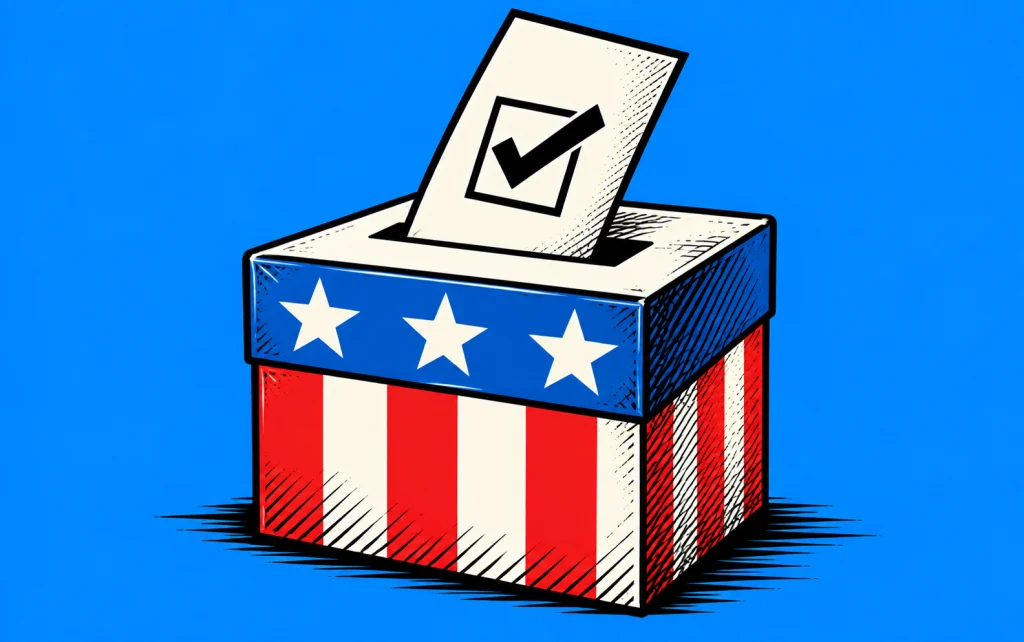
Voters aren’t waiting for Tuesday. By October 25, about 26.8 million ballots had already been cast, with several states running ahead of their 2022 pace. Polling shows economic pressure is a big part of what’s driving the urgency. That’s what showing up looks like when you’re the one covering the costs.
Others are trying to buy a different kind of say. Elon Musk has put nearly $190 million behind Ken Paxton’s Senate campaign in Texas, where Tesla, SpaceX and his other companies enjoy billions in incentives. Musk is spending nearly $190 million on Texas’ Senate race, and his companies have billions at stake in Texas, too. The president, meanwhile, is offering $1 million for voter fraud tips with no word on who runs the program, what counts as evidence or where the money comes from. In Washington state, the Justice Department wants to set aside ballots from 405 voters over unproven citizenship claims. When Nevada checked 1,500 flagged voters, it found zero noncitizens.
If you want to see where that road ends, look south. Flávio Bolsonaro lost Brazil’s election by about 4.4 million votes, flew to Florida despite a court order to surrender his passports, and declared himself the rightful president-elect. His own party accepted the result. Flávio Bolsonaro lost Brazil’s election, and now he’s claiming power from Miami. Losing used to be the end of the campaign. Now it’s a content strategy.
Culture: Who Owns the Moment
Mary J. Blige sold shares of her publishing and recorded music to Primary Wave, covering all 15 studio albums, from What’s the 411? to My Life to “Family Affair.” Nobody’s saying what it sold for, and she deserves every dollar. But some songs are worth more than royalties to the people who grew up on them, which raises the question: can you put a price on what Mary J. Blige meant to Black culture? Music fans are paying in other ways too. Payola has been illegal since 1960, yet record labels are paying influencers to tell you what music to like, at $150 to $400 a video, often without saying so. That “song of the summer” may have come with a marketing budget.
Then Sen. Marsha Blackburn, running for governor in Tennessee, posted an AI-generated video of herself performing Kendrick Lamar’s “Not Like Us,” backed by fellow Republicans and a county mayor dressed as WWE’s Kane. Twelve seconds, endless jokes, and a real question about permission from a senator who champions AI protections for artists. The backlash goes beyond the song.
Access has a price, too. More than 240,000 people applied for this year’s New York City Marathon lottery, and only about 1% got in. Everyone else needs another way in, and even the lucky ones pay a $255 to $315 entry fee before travel, hotels and months of gear. Running is free. Running the New York City Marathon isn’t. And at Harvard, applications hit record highs while Black enrollment declined for a third consecutive year, falling to 9.3% of the Class of 2030 from 14% two years earlier. The door got more crowded. Fewer of the people walking through it look like the ones who fought to open it.
What We’re Watching Next
Tuesday is the first chance to send a few of these bills back. Voters head to the polls on November 3 with the cost of living at the top of their list, and with a $1 million tip line and 405 contested ballots hanging over the count. Chicago’s City Council will decide whether big employers or residents cover the $882 million hole. And the holiday season will show whether retailers’ $1 trillion forecast comes with real hours for seasonal workers or just bigger credit card balances in January.
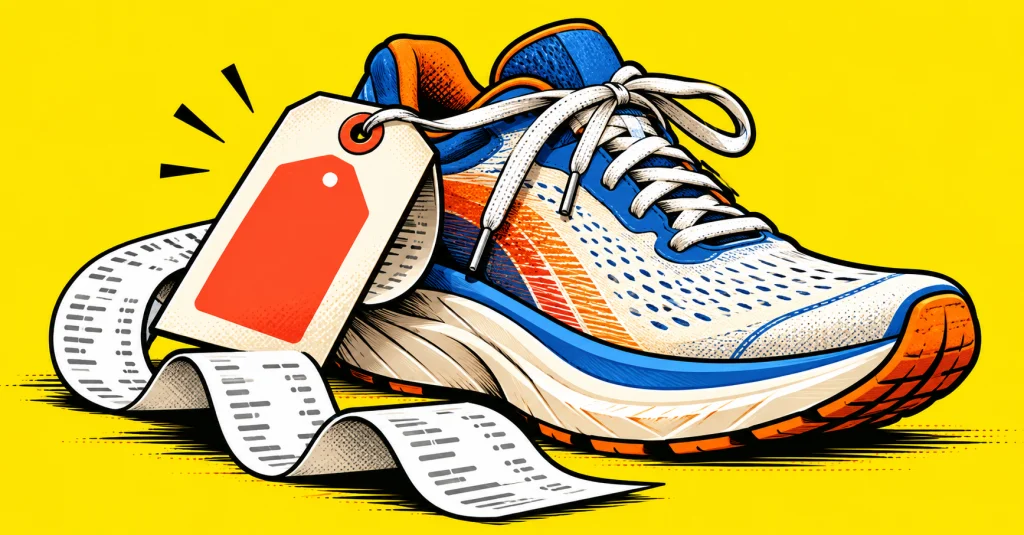
Here’s the pattern to watch: the people making the decisions keep collecting first, and the people living with them keep paying later. The longer that gap stays open, the more Americans will do what they did this week. They’ll check the receipt.
Friday Forward publishes every Friday on LinkedIn. For the daily read, the End of Day Closing Note lands in your inbox six nights a week, and you can sign up free right here.