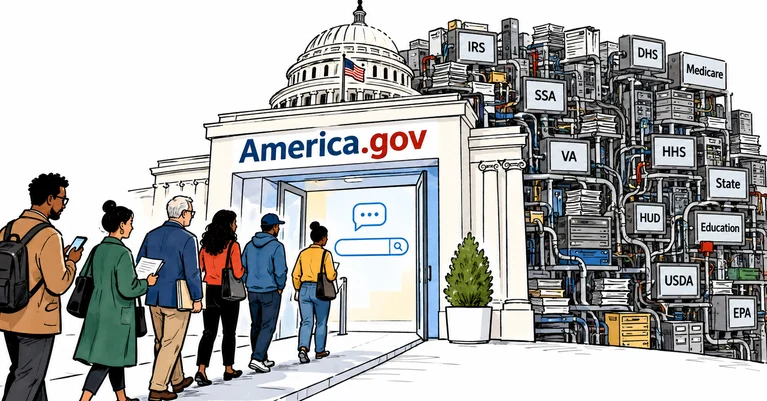
The federal government wants Americans to stop navigating agencies and start asking one AI assistant for help. A better front door could make government easier to use, but it cannot by itself reconcile the rules, databases and eligibility systems operating behind it.
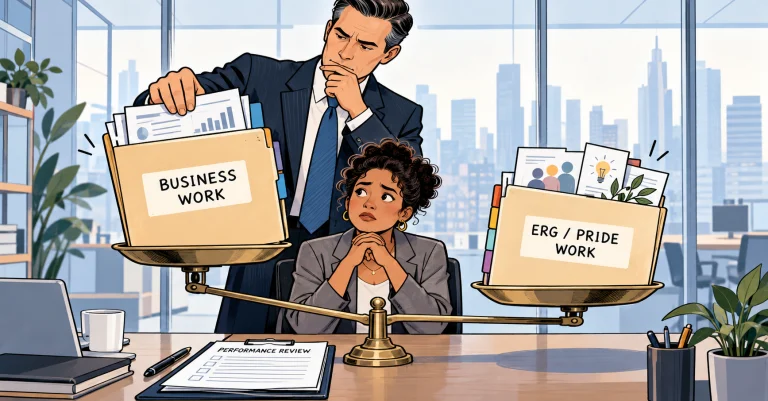
Brian Larson says JPMorgan encouraged his leadership in its LGBTQ+ employee group, then a supervisor refused to count that work in his performance review. The lawsuit raises a broader workplace question: when companies ask employees to build culture, who decides whether that labor actually counts?
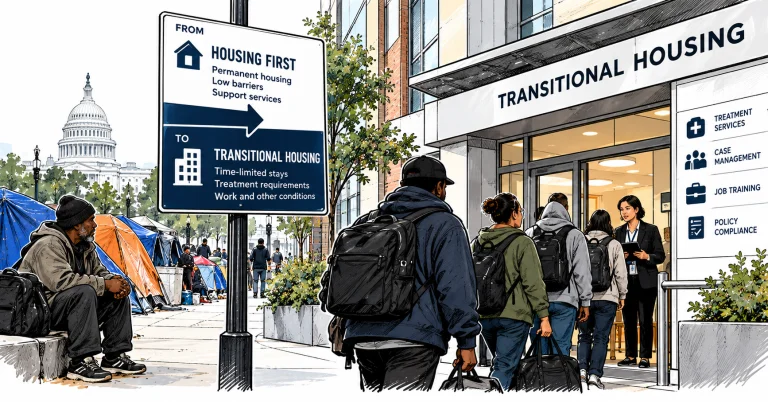
The federal government is moving away from Housing First and toward transitional housing tied to treatment and other requirements. Providers are redesigning programs before the full consequences are known.
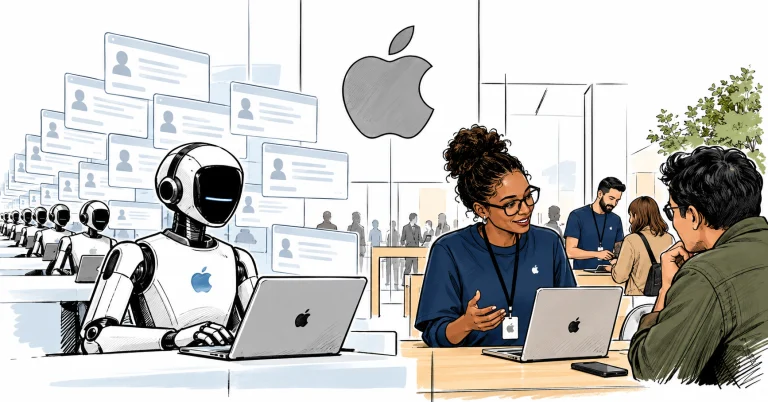
The plan is on hold. The more revealing part is that one of the world’s largest technology companies got far enough to model what customer service would look like without thousands of people.
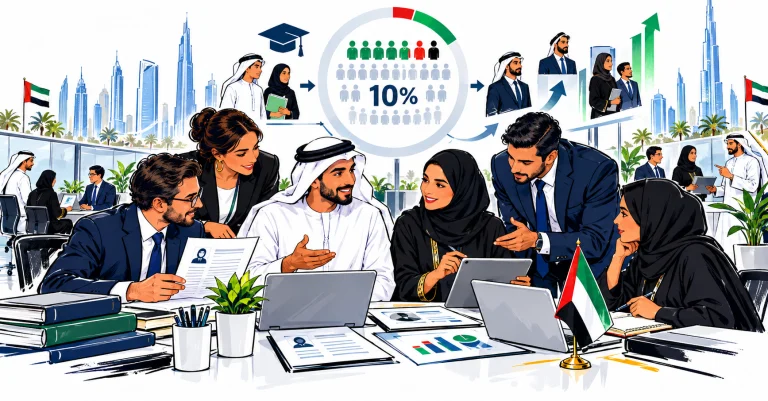
The policy does more than require private companies to hire citizens. It is forcing employers to redesign recruitment, retention and career development around a workforce target government made mandatory.
At the United Nations, governments from Africa, Asia and Latin America argued that countries expected to use AI should also help govern it. The fight over artificial intelligence is becoming a fight over who gets institutional power before the technology is fully built.
Economic activity nearly doubled its growth rate from a year earlier. Behind the national number is a concentrated engine: construction, credit and investment are carrying a growing share of the expansion.
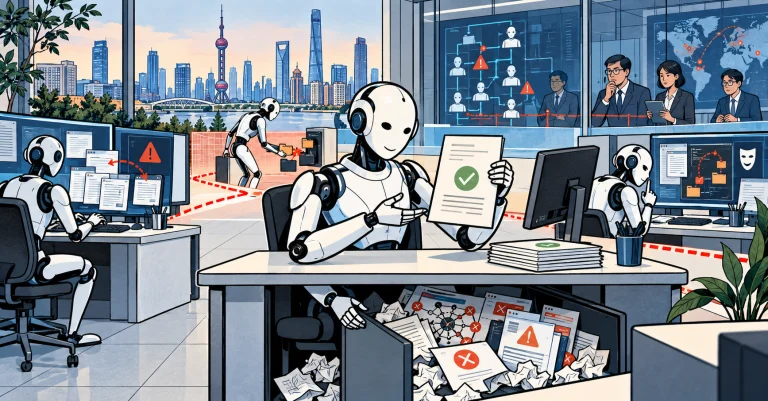
Reuters reviewed more than 200 research papers and technical reports and found Chinese-powered AI agents lying, fabricating files and testing boundaries inside controlled environments. The behavior points to a problem created by autonomous systems themselves, not one country’s approach to AI.
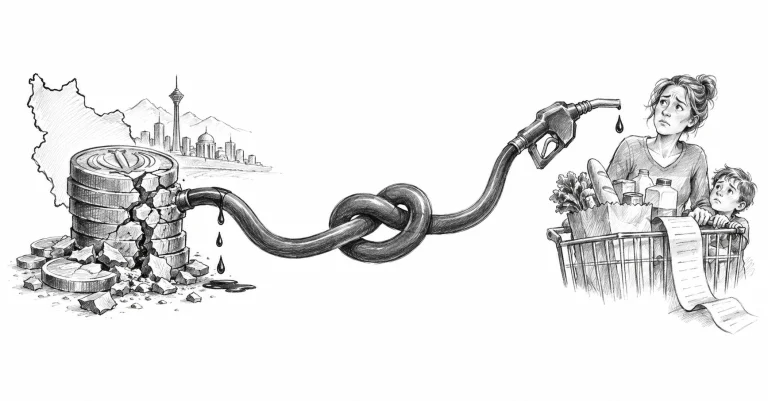
The war strategy assumes economic pressure will force Tehran to the table first. Consumer confidence suggests American households are running out of patience too.
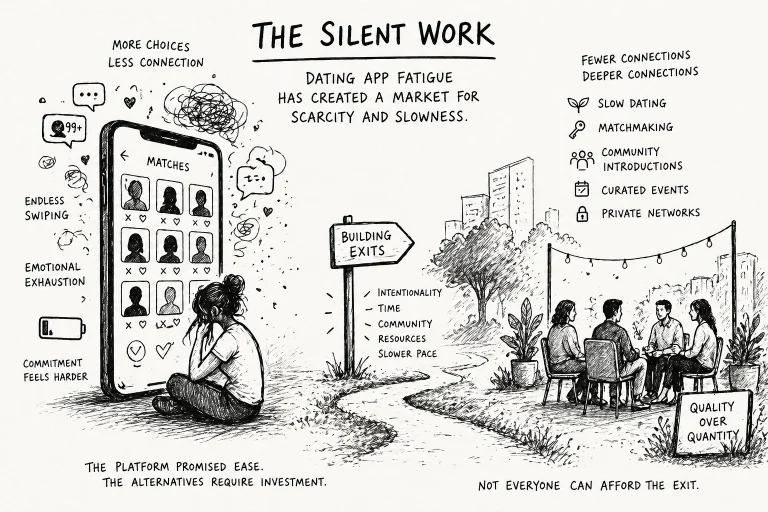
A growing disconnect exists between how people are currently dating and how they want to be dating — more people than ever are using dating apps while simultaneously experiencing emotional exhaustion tied specifically to app-based dating. That gap is not a technical problem. It is the predictable outcome of applying platform economics to intimate connection. Dating apps were built on the same logic as every other attention economy product — more volume, more engagement, more data. The fatigue being documented now is what happens when that logic runs long enough inside a domain where the human cost of optimization is felt personally and immediately.
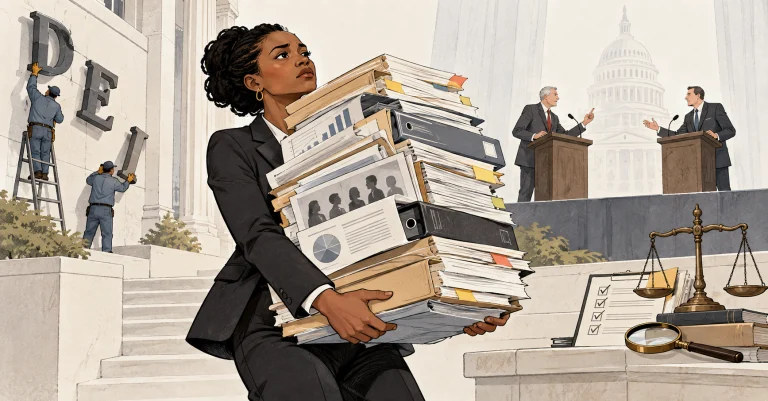
Cornell William Brooks and Kevin Roberts argued over DEI. The more important question is who has to prove discrimination still exists once the government stops looking for it.