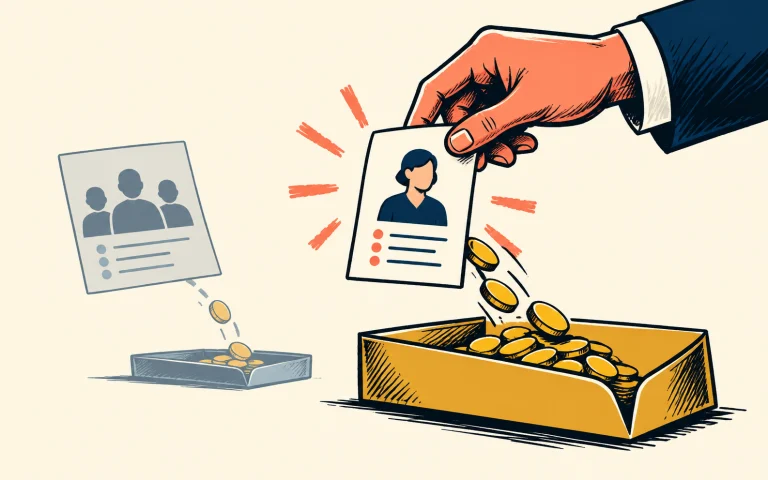
Business Insider reports that LinkedIn is moving corporate employees to a bonus structure based entirely on individual performance beginning in fiscal 2027.
Four months after USCIS made it harder for immigrants already living in the United States to adjust to permanent residency, the policy is now facing a federal lawsuit — and the broader crackdown on legal immigration is spreading into the technology workforce.
Offset and Quavo are approaching 35, Jay-Z is selling out stadiums at 56, and hip-hop’s audience is changing. What happens when rap fans grow older alongside their stars?
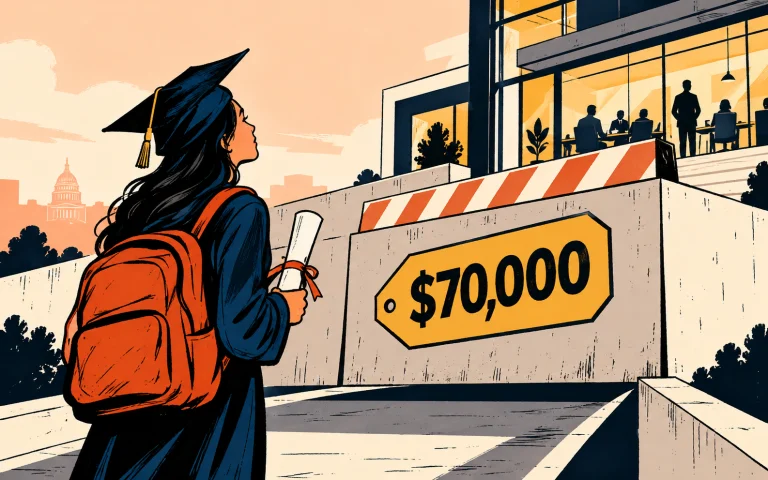
The administration's proposal would put a new price on the bridge between an American degree and an American job — and universities may not be the only ones who end up paying.
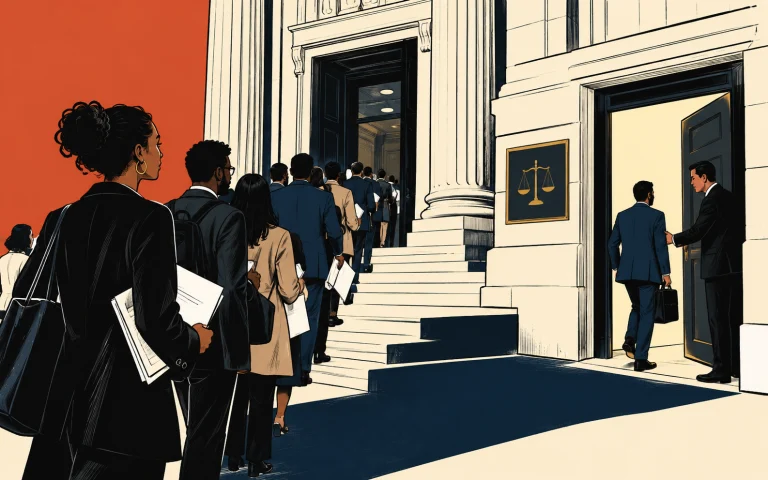
The state’s new accreditation framework could expand lower-cost legal education. Students may also face a more complicated calculation about where their qualifications will be recognized.
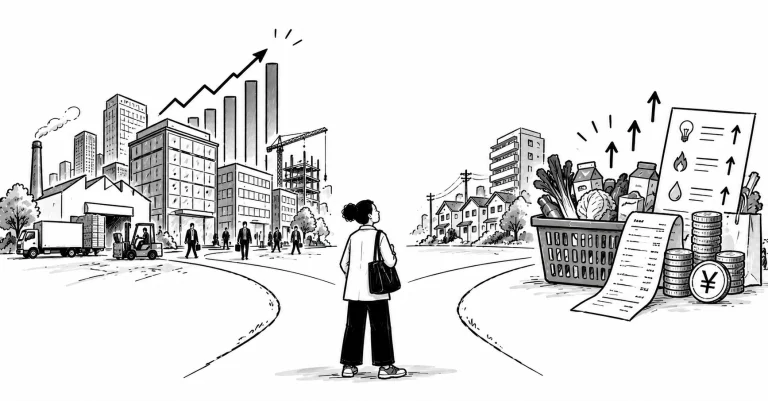
The Bank of Japan’s regional assessment shows improving activity alongside broader cost pass-through, leaving purchasing power central to the recovery.
Nineteen months into the trade fight, 51% of Canadians say they avoid U.S.-made goods, up from 38%, and seven in 10 want grocers to pull American products from shelves.
Renters now save about $12,800 a year compared with buyers, and renting is cheaper in all 50 major U.S. metros. Buying still wins, but only if you stay long enough.
The AI startup moved to Singapore, agreed to sell itself to Meta and was forced back into independence. Its new funding round shows how difficult it is becoming for strategically important technology companies to escape the geopolitics surrounding them.