
End of Day Closing Note | Friday, June 26, 2026
The Infrastructure Is Being Built. The Bill Is Being Sent to Everyone Who Isn’t Building It.
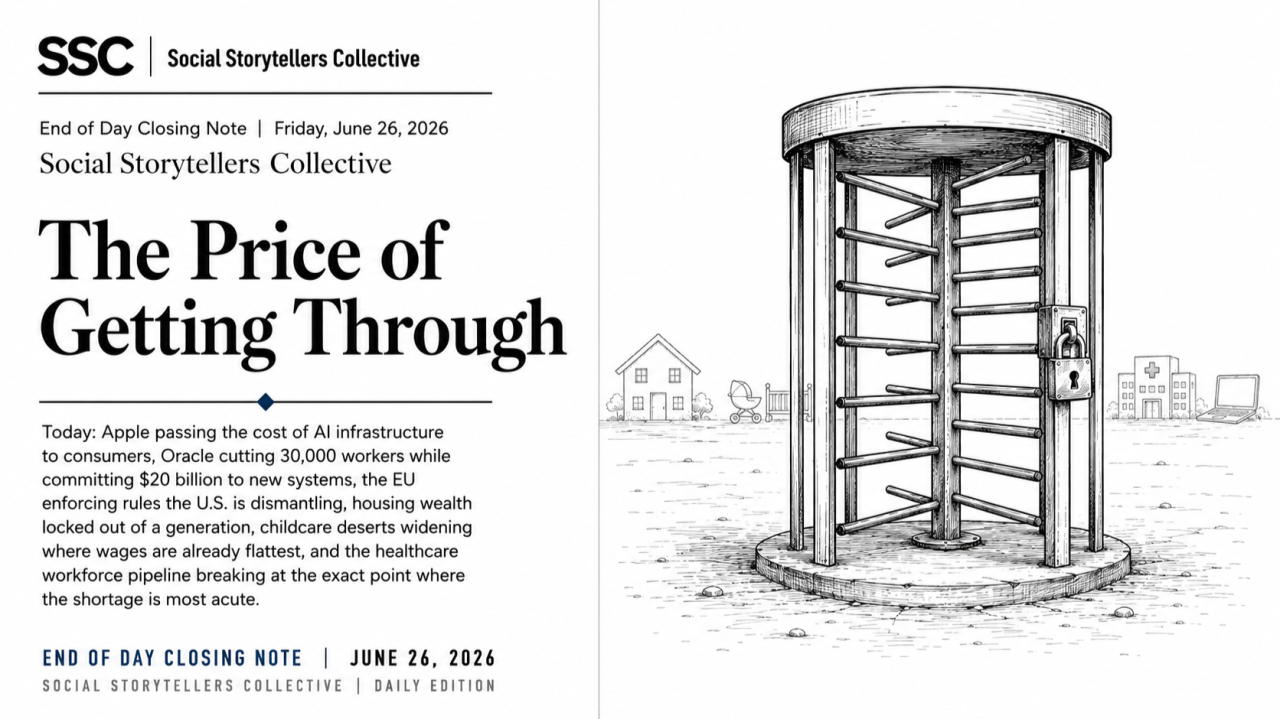
Today: Apple passing the cost of AI infrastructure to consumers, Oracle cutting 30,000 workers while committing $20 billion to new systems, the EU enforcing rules the U.S. is dismantling, housing wealth locked out of a generation, childcare deserts widening where wages are already flattest, and the healthcare workforce pipeline breaking at the exact point where the shortage is most acute.
The companies building the next economy are capturing the value. The workers, consumers, and communities in the path of that buildout are absorbing the cost. That transfer is the structural argument running through every story below.

Apple is raising hardware prices to pass the cost of its AI infrastructure investment downstream to consumers, according to SSC’s reporting this week. The mechanism is not subtle: compute costs rise, companies raise prices, consumers absorb the buildout. Wealthy consumers upgrade regardless. Working-class households delay or hold older devices longer. The digital access gap widens not because access was restricted by policy — but because the cost of staying current outpaced income. SSC reported on why Apple’s price hike is the consumer cost of the AI buildout, not a product decision.
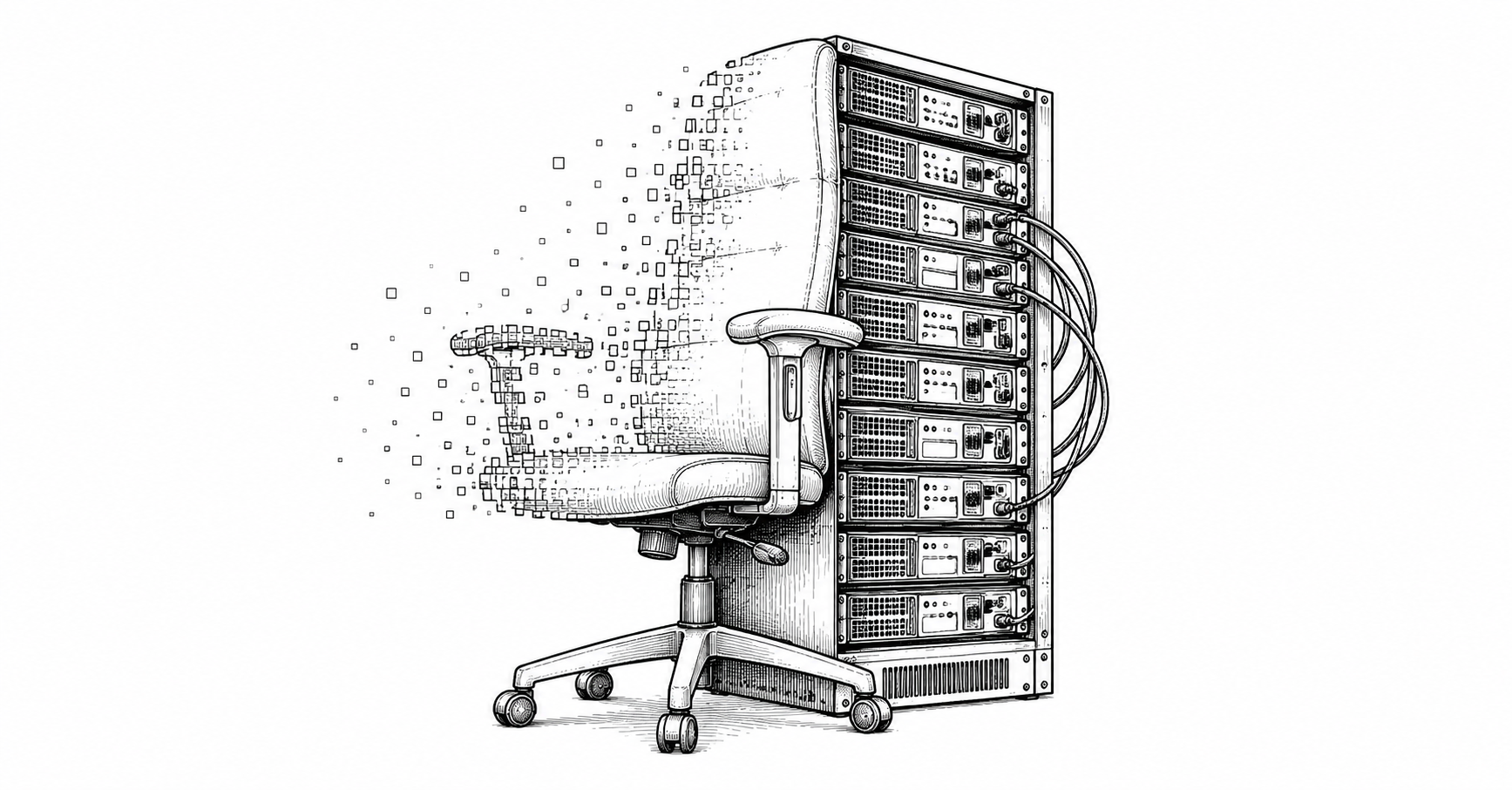
Oracle announced 30,000 job cuts this week while simultaneously committing $20 billion to AI infrastructure investment. The company saves approximately $2 billion annually through the workforce reduction and reinvests it into systems built to generate more revenue with fewer people. This is not a company-specific decision. It is a structural playbook. SSC documented why the 2026 layoff economy is no longer just about cost-cutting — Oracle, IBM, Salesforce, and Microsoft are operating under identical incentive structures and will produce similar announcements on a coordinated-looking timeline that nobody actually coordinated. SSC also reported on why Oracle’s layoffs reveal the real cost of the AI infrastructure economy and why the AI safety net is being built after the layoffs rather than before them — workforce transition programs arriving on 18-month timelines while displaced workers need income now is not an oversight. It is the structure.
AWS, Azure, and Google Cloud now control 90% of enterprise workloads. Companies that moved their data and computational resources into these platforms have discovered that vendor dependency is a power relationship, not a technical one. SSC reported on why cloud is the new gatekeeper — and why regulatory action in the EU is expected by late 2026 while the U.S. moves in the opposite direction simultaneously.
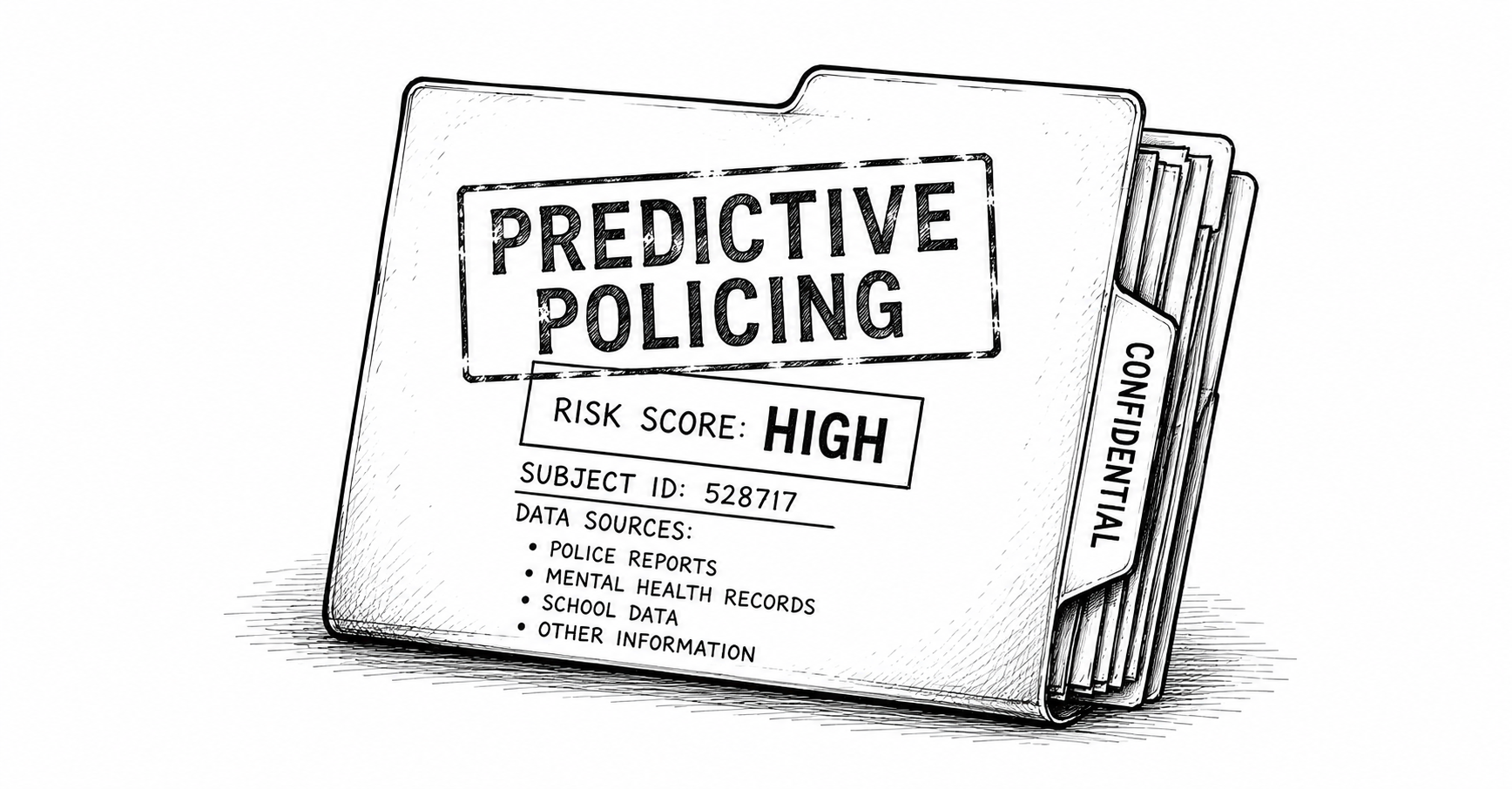
The EU AI Act enters full enforcement on August 2, 2026 — 37 days from today. The U.S. federal response remains incident reporting requirements: governance applied after deployment rather than before it. SSC reported on why federal AI regulation may start with incident reports — and why governance after deployment means millions of people absorb consequences before a regulation exists to address them. Predictive policing is already the case study on record. PredPolwas documented to systematically over-predict crime in Black neighborhoods while under-predicting in white ones. The company is still operating. Police departments still use it. SSC reported on why predictive policing failed quietly while the model kept expanding — algorithmic failure does not automatically produce algorithmic removal. The algorithm becomes the named scapegoat. The incentive structure that deployed it remains intact.

A pundit said the quiet part out loud on live television this week. SSC reported on why the mechanism is the point — and why public statements that expose how systems actually work are more useful than the ones designed to describe how they are supposed to.

Hollywood’s labor protections are already obsolete. The Writers Guild and Screen Actors Guild won contract protections through strikes. Netflix, Disney, and Amazon have since launched AI content pipelines that operate in the space those protections don’t yet reach. SSC reported on why Hollywood’s labor crisis is becoming an AI crisis — labor law moves at the pace of legislation, technology deployment moves at the pace of capital, and by 2027 the ratio of human writers to AI-assisted content will have flipped before the next contract negotiation begins.
Illinois passed a rideshare driver unionization bill this week. Gig workers carry no employment status, no benefits, and no individual leverage — collective action is the only structural mechanism available. SSC reported on what the Illinois bill actually changes — and why the gig economy will bifurcate by 2027 between organized labor in states that move and precarious labor in the ones that don’t. The geography of that split will follow the same lines as every other access map SSC has documented this year.
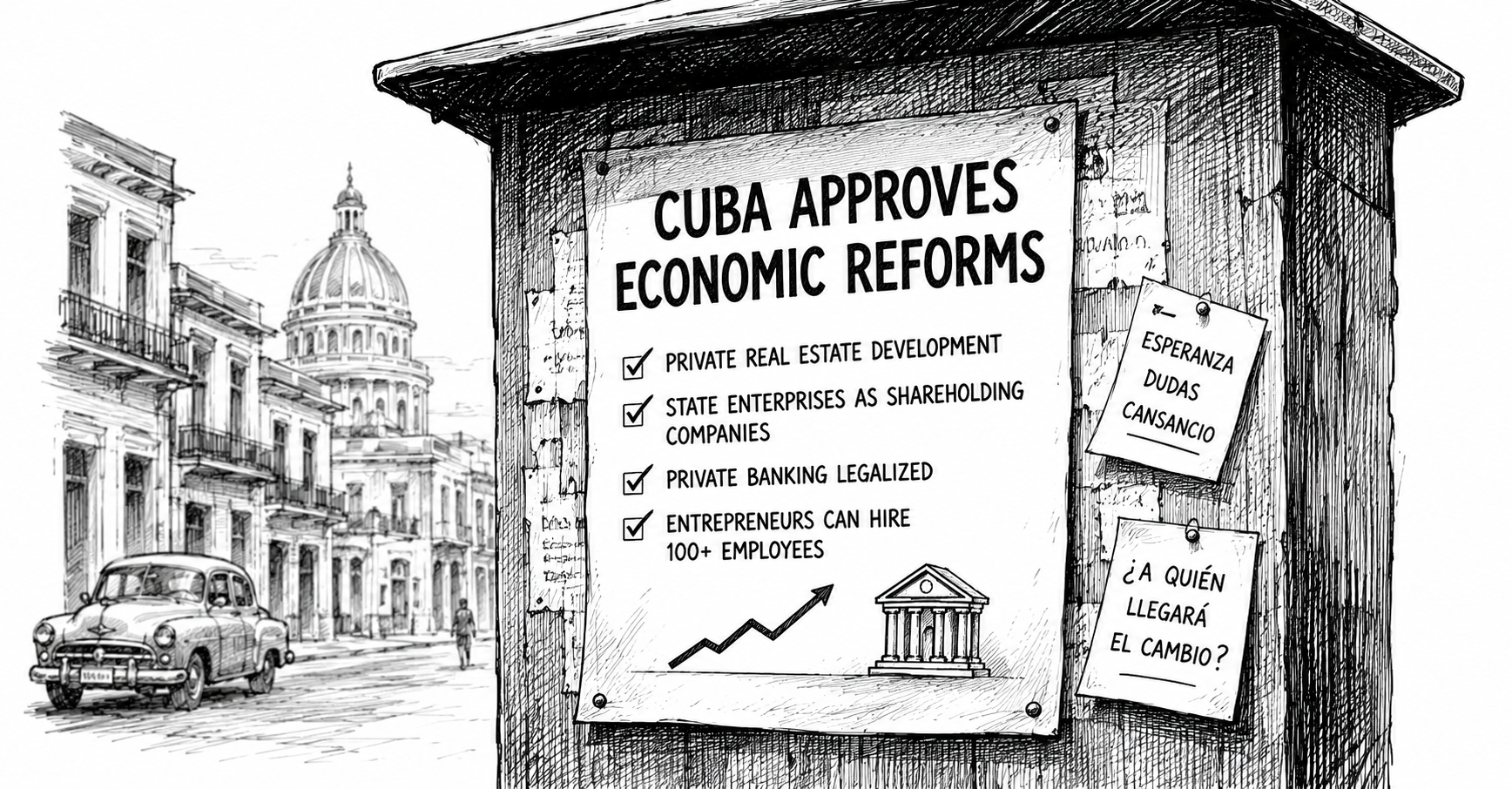
Cuba is not opening its economy by choice. The country’s economy contracted, tourism collapsed, and sanctions tightened until liberalization became the only mechanism available. SSC reported on why Cuba is opening under pressure, not abundance — and why economic systems change when they fracture under pressure, not when they mature. Those with capital position themselves first. Working-class people experience inflation and precarity dressed as opportunity.
National inflation averages 4.2%. That number does not describe where working people actually spend money. Housing is up 7.8%. Food is up 6.4%. Energy is up 8.1%. Technology and durable goods are flat. Wealthy households experience effective inflation of 2–3%. Working-class households experience 8–10%. SSC reported on why the inflation number is 4.2% but the cost is not shared equally — the aggregate figure is accurate and nearly useless for understanding who is absorbing what. Real wage growth is running at 2.8% annually. The math does not close.

Temperatures in Houston, Phoenix, and Los Angeles hit 115–120°F last week. Community centers opened 24-hourcooling facilities. Hospitals reported heat-related emergency visits up 300% year-over-year. SSC reported on why extreme heat is turning public space into survival infrastructure — access to air conditioning is a class issue, and by 2028 heat-related mortality is projected to reach 15,000–20,000 annually, concentrated in communities where public infrastructure is thinnest.
Twenty-three percent of working-age families live in childcare deserts. In rural areas, the figure reaches 47%. The gap in economic participation between women in childcare-rich areas and childcare deserts exceeds 35 percentage points. SSC reported on why the childcare desert map shows where working parents run out of options — childcare access is a labor supply story, and the constraint is tightening in the same communities where the housing gap is widest and the wage gap is largest.
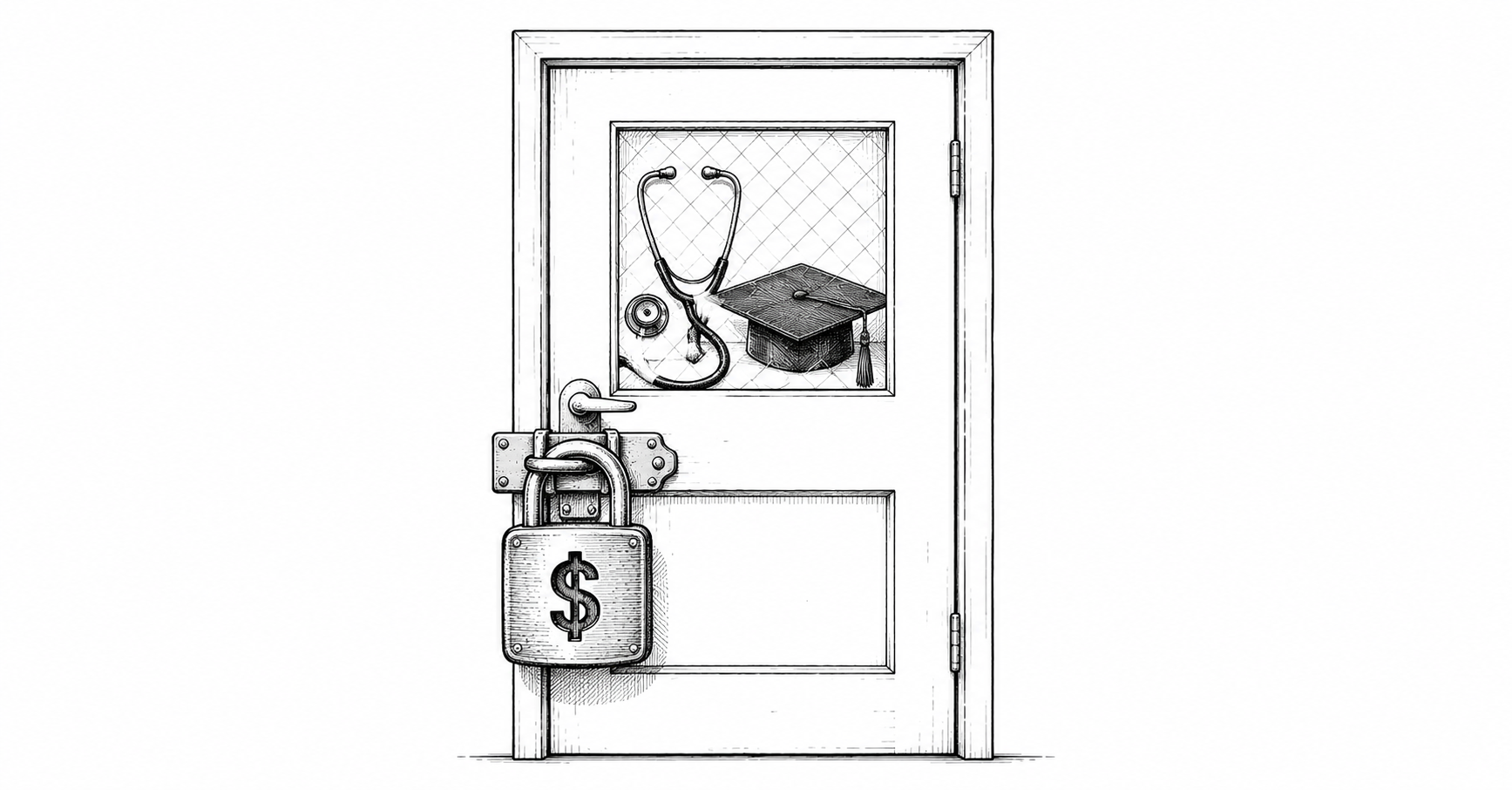
Student debt is blocking the healthcare workforce pipeline at the moment the shortage is most acute. Nursing graduates emerge with $150,000–$200,000 in debt against starting salaries of $60,000–$70,000. Debt service becomes more urgent than career placement. SSC reported on why the next healthcare shortage may start with student loans — the projected shortage of 500,000 nurses by 2030 is most severe in rural areas, which also carry the highest debt-to-income ratios for healthcare workers. The system is tightening at both ends simultaneously.
Homeownership rates for Gen Z Black Americans fell to 18% in Q2 2026. Gen Z white Americans reached 32%. The gap has widened 8 percentage points since 2022. Median home prices now sit at 8.5 times median household income. SSC reported on why housing affordability became political collateral — wealth accumulation in America runs through homeownership, and young Black Americans locked out of the housing market during their highest-earning years will carry median net worth 40–50% lower than their white peers. The mechanism distributes homeownership based on inherited capital. Inherited capital was never distributed evenly.
Daily Visual Signal
The Buildout

The AI infrastructure economy is producing two separate experiences simultaneously — one for the companies building it and one for the people funding it without knowing they signed up. The cranes are moving. The foundations are being poured. The value will concentrate at the top of what gets built. The cost is already being distributed at the bottom — in higher phone prices, in cleared-out desks, in mortgage math that doesn’t close, in loan statements that make career choices for people before they get to make them themselves.
SSC Inflections Points Playlist | Volume 2
Friday night vibes after a long week at work. Thirty songs built for the moment when the laptop closes and the glass gets poured — Kem to Chet Baker to Anita Baker, and everything in between that earns its place at a dinner table or a quiet room at the end of a hard week. Listen on Spotify.
What We’re Watching: The Cécred Moment and What It Actually Sold
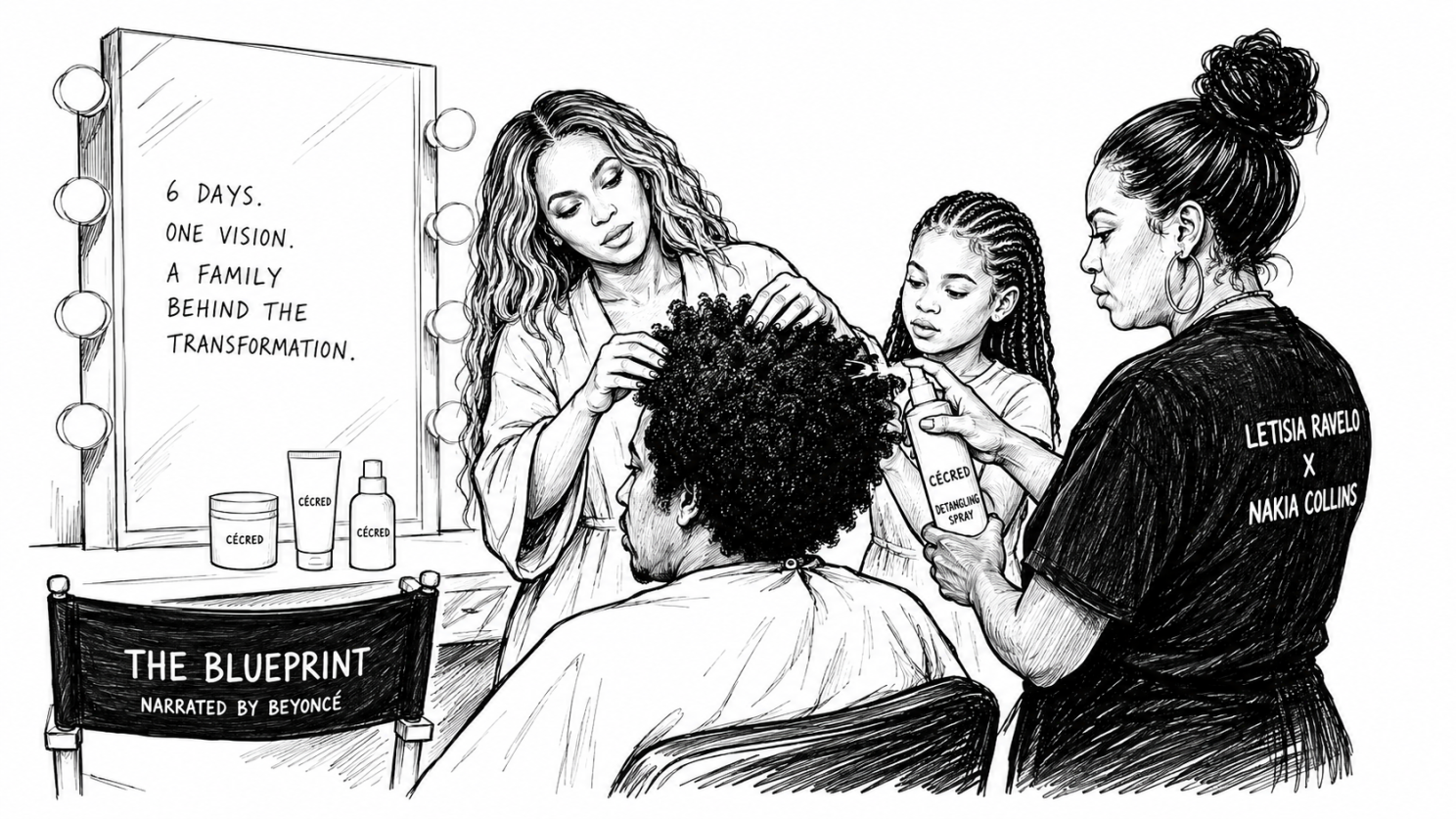
On Father’s Day, Beyoncé’s haircare brand Cécred released a 7-minute documentary titled The Blueprint — narrated by Beyoncé herself, documenting how Jay-Z transformed from more than eight years of wick locs to a full natural afro in time for his return to the stage at the 2026 Roots Picnic in Philadelphia. The process took six days, involved Houston hairstylist Letisia Ravelo and celebrity hairstylist Nakia Collins, went through multiple bottles of Cécred Detangling Spray, and included hands-on participation from Beyoncé and their daughter Blue Ivy. The film generated hundreds of thousands of views across platforms and effectively shut down weeks of speculation that Jay-Z’s new look was a lace front wig.
The marketing execution is worth studying independent of the cultural moment it produced.
Beyoncé did not run an advertisement. She ran a documentary that happened to feature her product at every critical step of a transformation her audience was already invested in. The demand for information — what happened to Jay-Z’s hair, is it real, how did he do it — existed before Cécred released anything. The brand stepped into an information gap the internet had already created, supplied the answer using its own products as the mechanism, and let the authenticity of the transformation carry the commercial argument. The product didn’t interrupt the story. The product was the story.
Jay-Z combed out his locs to honor his late father, Adnis Reeves, who wore a natural afro. He grew the locs in the first place to show their daughter Blue Ivy — who at age five wasn’t feeling confident about her hair — that her texture was the same as his. The transformation that became a brand moment started as a private act of fatherhood. The hair journey that launched a documentary began as a conversation between a parent and a child about what it means to wear your hair the way it grows.
Cécred is a Black-owned haircare brand operating in a category where Black women have historically built the consumer base for products they didn’t own, in markets later acquired by conglomerates that don’t share the community’s cultural context. Beyoncé selling Cécred through Jay-Z’s transformation is not incidental to the brand’s positioning — it is the brand’s argument made visible. Natural hair, family care, cultural legacy, and product functionality in a single 7-minute film.
SSC is watching whether Cécred converts this moment into sustained market position or whether the documentary becomes a viral event without a durable business infrastructure behind it. The cultural capital is real. The distribution and retention infrastructure is the next question — and it is the same question SSC asks about every cultural product that generates value before the ownership architecture is built to hold it.
What We’re Also Watching: The Ebola Outbreak in DRC and Uganda

As of June 25, 2026, the Democratic Republic of Congo has confirmed 1,118 cases of Ebola caused by the Bundibugyo virus — including 291 deaths — making this the second-largest Ebola outbreak on record and the 17th in DRC’s history. Uganda has confirmed 20 cases and 2 deaths, including five healthcare workers. The World Health Organizationdeclared a Public Health Emergency of International Concern on May 17. There is no licensed vaccine for the Bundibugyo strain.
Modeling from researchers published June 25 projects 8,210 cumulative cases by September under sustained transmission, with a worst-case scenario exceeding 66,000 if control lapses. South Sudan carries a 69.3% probability of receiving at least one case within the next 12 weeks — and has some of the weakest public health infrastructure in the region.
The outbreak began spreading undetected for six weeks before official confirmation — a delay researchers attribute directly to conflict, displacement, and limited healthcare access in the affected regions. The $115 million needed for the WHO response over the next three months is not a large number for the governments being asked to contribute it. The decision not to contribute is a policy choice. The communities absorbing the consequence of that choice were not consulted when it was made.
What We’re Reading
EasyJet rejected a fourth takeover proposal from U.S. investment firm Castlelake on June 25, turning down a £6.50 per share offer that valued the budget airline at £4.9 billion ($6.5 billion). It was the fourth bid in two weeks — Castlelakehas now offered 560p, 600p, 625p, and 650p in succession, each rejected as substantially undervaluing the company. For the first time, easyJet’s board agreed to share limited commercial information with Castlelake and granted a nine-day extension to the UK Panel on Takeovers and Mergers deadline, now set for July 5. The structural complexity at the center of the board’s caution: Castlelake’s ownership vehicle would be 49% owned by Castlelake and co-investors including Brookfield Asset Management, and 51% owned by EU nationals — a structure required by EU rules mandating majority European ownership of EU carriers, but one the board has repeatedly flagged as raising serious questions of deliverability. Some shareholders are pointing to 700 pence as the threshold for meaningful engagement. Read more at Reuters.
KPMG Australia lost its Asia Pacific chair, local CEO, and head of audit after allegations emerged that senior audit partners accessed Lendlease’s confidential board papers — including competing bids from EY and PwC — while KPMG was pursuing the Westpac audit contract, reported at approximately $32 million Australian dollars. A whistleblower raised the concern internally in 2024. KPMG’s internal review cleared those involved. The whistleblower resigned and absorbed the personal and professional cost. The allegations didn’t reach the public until Labor Senator Deborah O’Neill aired them in parliament on March 24, 2026. By June, CEO Andrew Yates and audit head Julian McPherson had resigned. Chair Martin Sheppard and two additional partners followed. Australia’s corporate regulator ASIC opened a formal investigation. Westpac, Lendlease, Dexus, and Macquarie Group are reassessing their relationships with the firm. The Australian government is reviewing $270 million in contracts. Reuters Breakingviews columnist Antony Currie wrote this week that KPMG’s self-destruction puts the entire Big Four on notice — the same pattern that dismantled PwC Australia’s public consulting business three years ago is now running through its closest rival.
The infrastructure is being built. The bill is being distributed to the people who will not own what gets built on top of it. August 2 is when the EU begins enforcing the rules it wrote. The U.S. has no equivalent date on the calendar. That gap will produce consequences before anyone writes a regulation to address them.
Full breakdown in comments. Free, daily, 5 minutes: https://share-na2.hsforms.com/2jD9_djO_TwSG78HS537WBQ42qyoe