The 2026 Layoff Economy Is No Longer Just About Cost Cutting
Companies are cutting workers while building the infrastructure meant to replace some of their work.

The 2026 layoff cycle has passed the point where it can be explained as a correction from pandemic-era hiring.
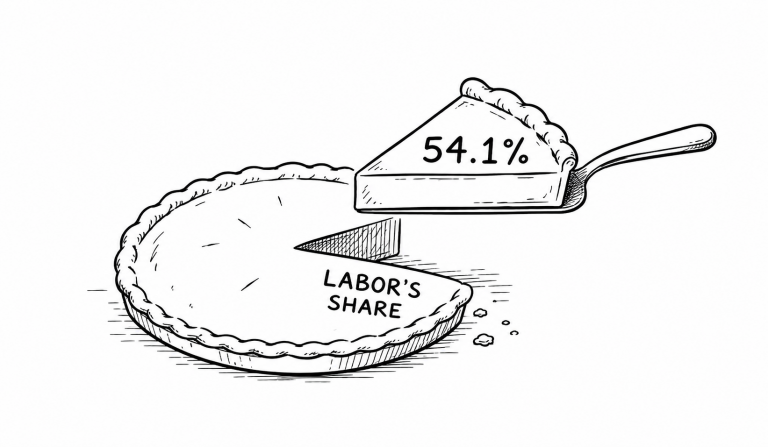
As of June 24, the 2026 layoffs tracker counted 267 layoff events affecting 185,894 workers. More than half of those events — 56% — explicitly cited artificial intelligence, automation, or machine learning as part of the reason for the cuts. That does not mean AI caused every job loss directly. It does mean companies are increasingly willing to describe workforce reductions as part of a technological transition, not just a financial adjustment.
That distinction matters.
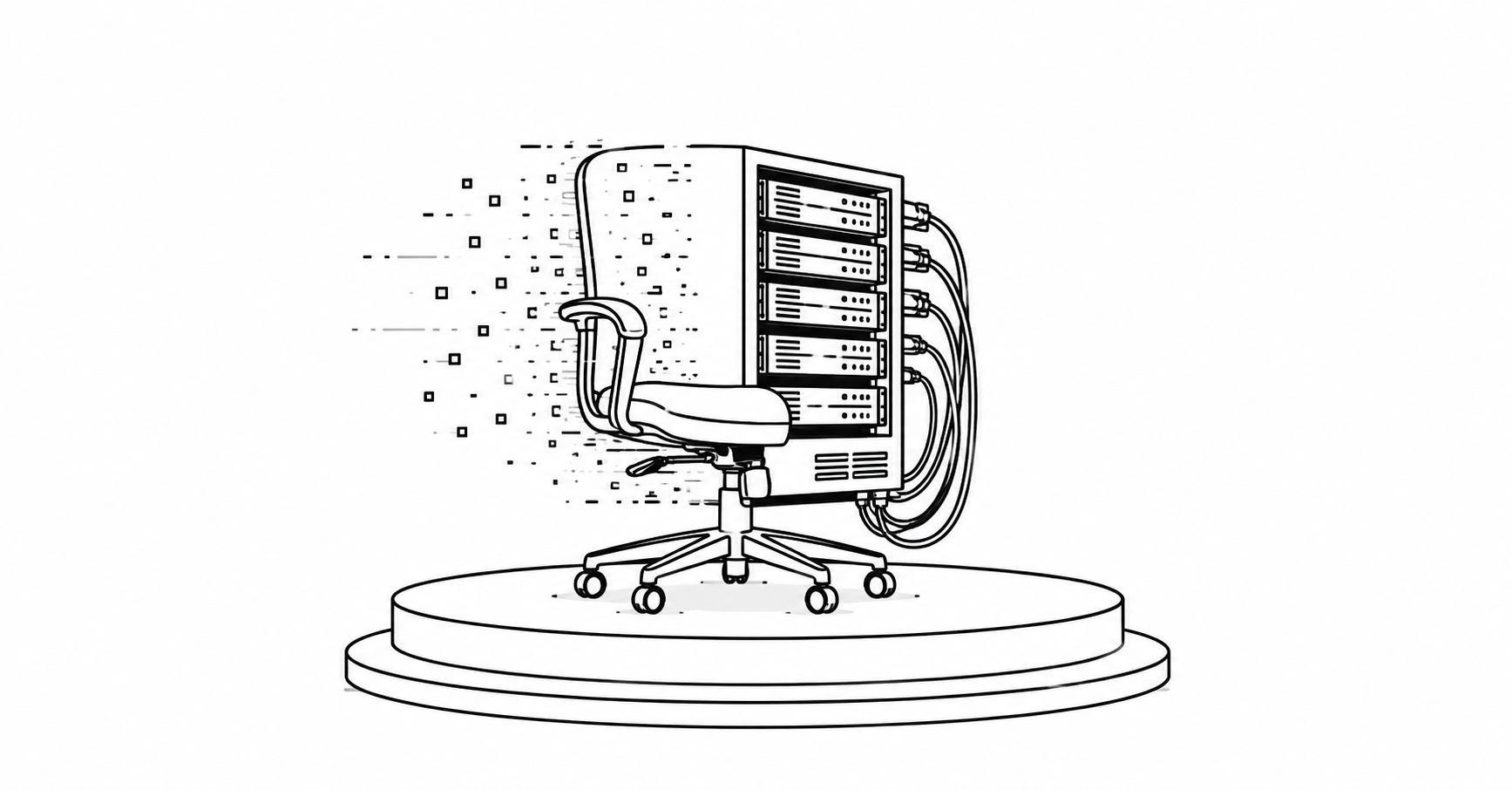
Layoffs have always been a tool for reducing expenses. What is different in 2026 is what many companies are doing at the same time. They are cutting workers while reinvesting heavily in AI infrastructure, data centers, chips, cloud capacity, and automation systems. The workforce is shrinking in one column while the machine layer grows in another.
Oracle, Citigroup, and Amazon sit near the top of the current layoff picture. The tracker lists Oracle as the largest single layoff event of 2026, with 30,000 employees affected. Citigroup’s long-running restructuring plan includes a target of roughly 20,000 job reductions. Amazon confirmed 16,000 corporate job cuts in January, following earlier reductions and continuing a broader push to simplify management layers, reduce bureaucracy, and shift resources toward priority areas.
The pattern is not identical across companies. Oracle is moving aggressively into AI cloud infrastructure. Citi is remaking a large financial institution around efficiency, technology, and a leaner operating model. Amazon is reducing layers inside a sprawling corporate workforce while continuing to invest in automation, logistics, cloud computing, and artificial intelligence.
But the shared structure is clear: companies are not merely becoming smaller. They are becoming differently organized.
AI is becoming a capital allocation strategy
The public conversation around AI and jobs often focuses on replacement: which roles disappear, which tasks become automated, which workers become vulnerable. That is part of the story, but it is not the whole story.
The bigger shift is capital allocation.
Companies are deciding that future growth will require fewer workers in some functions and significantly more investment in compute, software, chips, and infrastructure. That changes the meaning of a layoff. A job cut is no longer only a signal that a company is struggling. In some cases, it is a signal that the company is choosing to spend money somewhere else.
That choice is already visible across the economy. AI infrastructure spending is moving into the hundreds of billions. Data centers require land, energy, construction, cooling systems, specialized chips, cloud contracts, and long-term financing. These are not small technology upgrades. They are industrial-scale investments designed to reshape how companies produce output.
For workers, that creates a harder problem than a normal downturn. In a traditional layoff cycle, the assumption is that demand will eventually return and companies will hire back into similar roles. In an AI-driven restructuring cycle, the old role may not return in the same form. The work may be absorbed into software, redistributed across fewer employees, moved into a different function, or redesigned around AI-assisted workflows.
That is why 2026 feels different. The labor market is not only losing jobs. It is losing job categories, task bundles, and career ladders that once gave workers a path into stable white-collar employment.
The risk is not only displacement. It is opacity.
There is also a credibility problem.
Not every company citing AI is necessarily cutting jobs because AI can fully replace those workers. Some may be using AI as a cleaner explanation for ordinary cost-cutting, investor pressure, overhiring, weak demand, or internal reorganization. “AI” can function as both a real operating change and a convenient narrative.
That makes the labor market harder to read.
If a company says automation made roles unnecessary, workers, policymakers, and investors need to know what that means. Were tasks actually automated? Were roles eliminated because a new system performed the work? Were workers replaced by contractors, offshore teams, or remaining employees using AI tools? Or was AI simply the language used to make a layoff sound strategic?
The difference matters because each version requires a different response.
If AI is replacing tasks, workers need retraining and mobility pathways. If companies are eliminating jobs to fund infrastructure, the issue is capital distribution. If firms are using AI to justify cuts they already wanted to make, the issue is transparency. And if all three are happening at once, the public needs a better vocabulary than “AI layoffs.”
The workforce is absorbing the transition before the rules exist
The most important number in the tracker may not be 185,894 workers affected. It may be 56%.
That share suggests AI is no longer a future labor concern. It is already part of the language companies use to explain workforce decisions. The technology does not have to replace every worker to reshape the labor market. It only has to change how executives think about headcount, efficiency, and future investment.
That is what appears to be happening now.
Companies are building the infrastructure for a more automated economy before workers have a clear transition system, before regulators have a shared framework, and before educational institutions know which skills will remain durable. The result is a labor market where workers are being asked to adapt faster than institutions can explain what they are adapting toward.
The 2026 layoff cycle is not just a story about companies cutting jobs.
It is a story about what companies believe the next version of work will require — and who is being left out of that investment.