
The Next Healthcare Shortage May Start With Student Loans
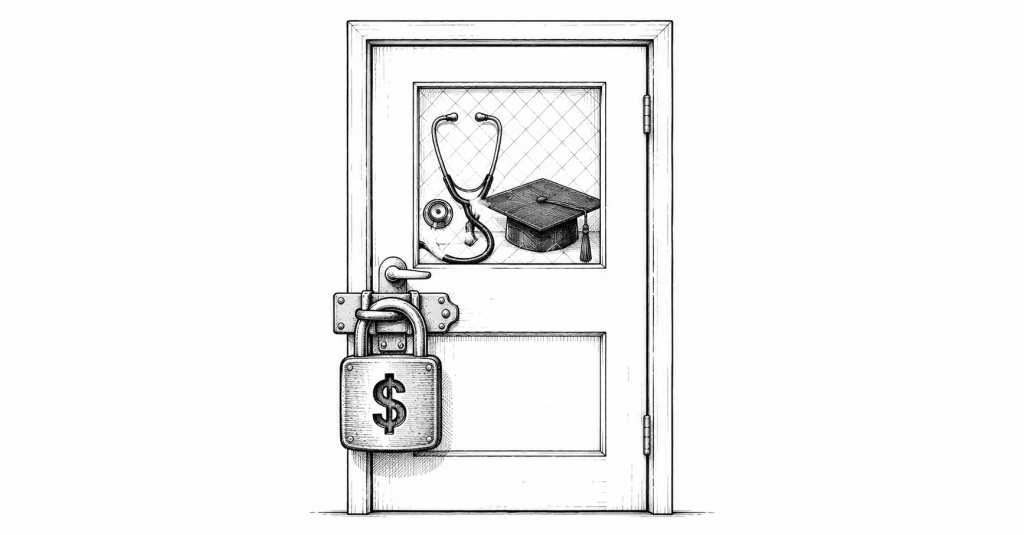
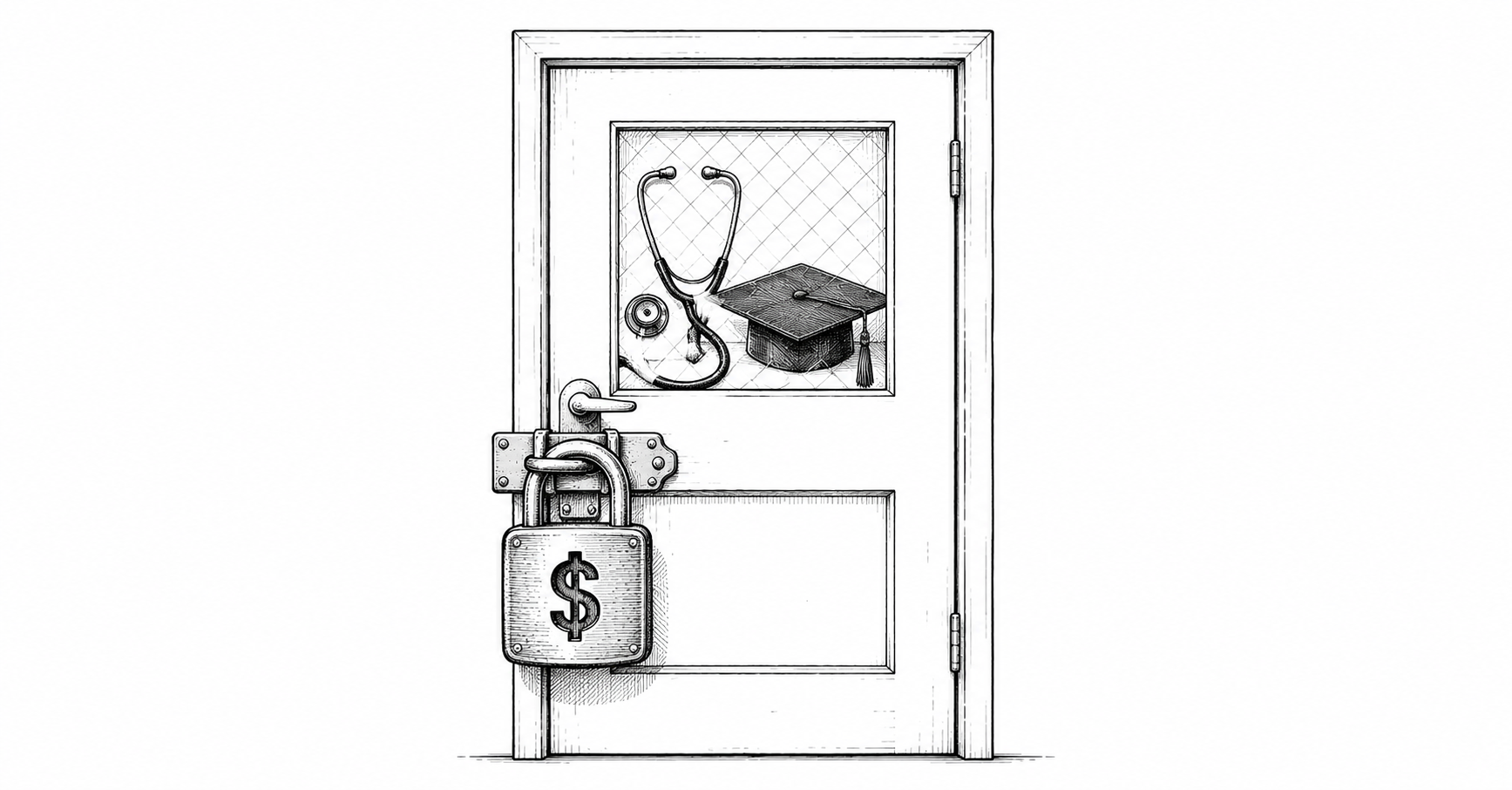
The Guardian reported that a federal student loan overhaul set to take effect July 1, 2026, will cap graduate student borrowing at $20,500 per year, cap professional education loans at $50,000, and end the Grad PLUS program that has allowed graduate and professional students to borrow the full cost of attendance. Physician assistant groups are raising particular alarm because PA programs are being classified under the graduate cap rather than the professional cap — even though PA training averages roughly $103,000 over 27 months, not counting living expenses, in programs that can require 60 to 80 hours of clinical work per week. The gap between what the new caps allow and what the training actually costs is not narrow.
The financing question determines who enters the profession. Students with family wealth or access to private credit markets may be able to bridge the gap. Students from lower-income backgrounds, who have historically relied on federal borrowing to finance clinical training, may find the pathway effectively closed. That is not an abstract concern about access. It is a concrete mechanism by which the composition of the PA workforce gets shaped years before any staffing shortage becomes visible in a clinic or hospital.
Physician assistants are already a significant part of the healthcare workforce, particularly in primary care and rural settings where physician supply is chronically short. The federal government has simultaneously relied on PAs to fill those gaps and, under the new loan rules, will make the financial pathway to PA training harder for the students most likely to end up serving underserved communities. That is not a contradiction that resolves itself.
Healthcare shortages do not begin when a clinic cannot hire. They begin when qualified students calculate that the cost of entry is too high relative to the financing available to them. A federal loan rule is not a healthcare policy on its face. But when it changes who can afford clinical training, it changes who is available to provide care — and the communities with the fewest providers will feel the consequences first.