Illinois Just Passed a Rideshare Driver Unionization Bill. Here Is What That Actually Changes.
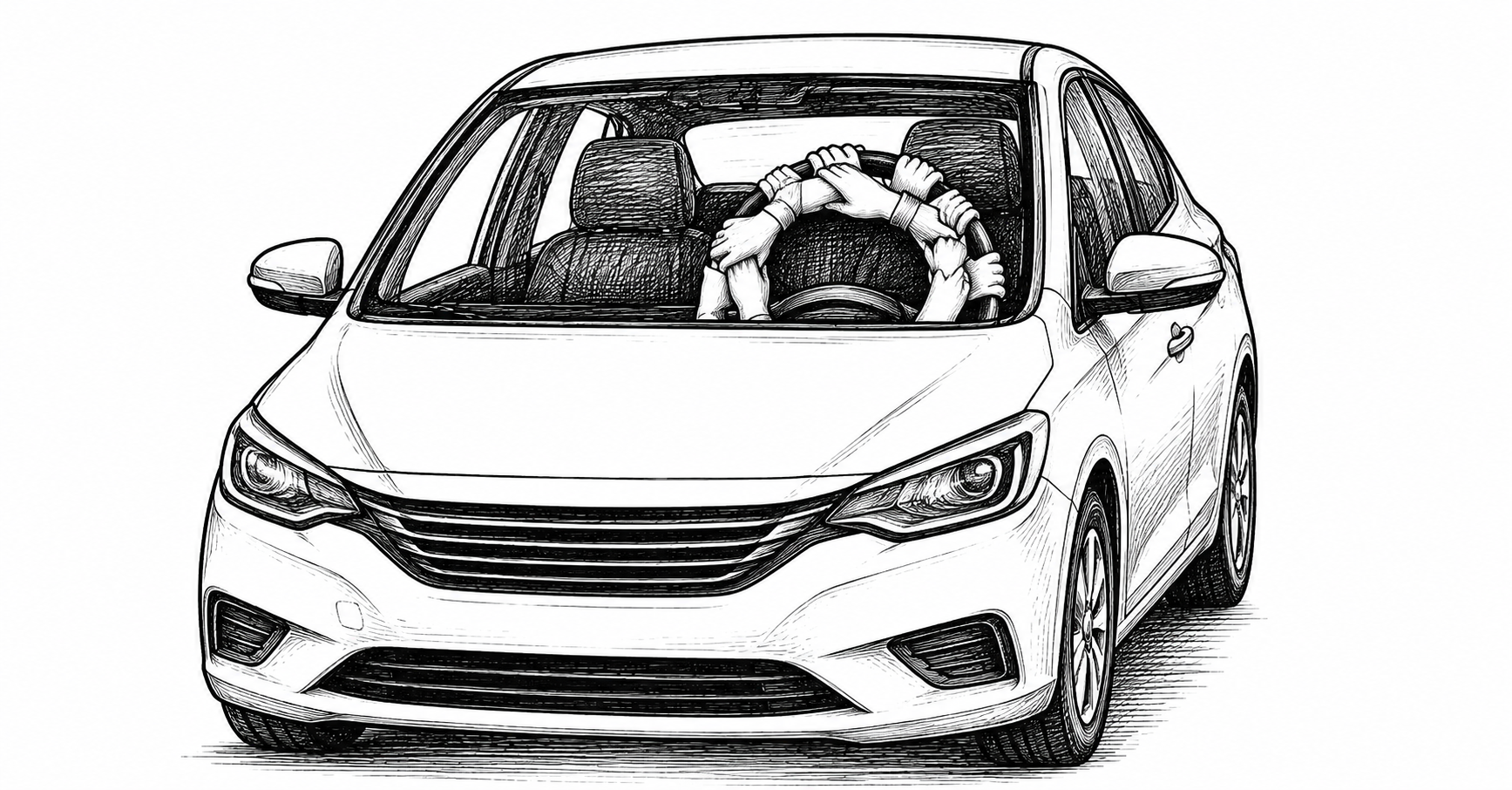
Illinois enacted legislation permitting rideshare drivers to unionize—a structural shift in how gig work is legally organized. Understanding what that change means requires looking at what it does and does not alter about driver power, platform control, and the economics of the rideshare model.
Rideshare platforms—Uber, Lyft, and others—have historically classified drivers as independent contractors, not employees. That classification carries enormous consequences. Independent contractors have no right to unionize under federal labor law. They cannot bargain collectively over wages, hours, or working conditions. They have no access to unemployment insurance, workers’ compensation, or employer-provided benefits. They bear the full cost and risk of their labor independently.
Illinois’s law creates a carve-out: rideshare drivers can now form and join unions despite their independent contractor classification. That’s a significant legal shift. It means drivers can collectively negotiate with platforms over pay, algorithmic transparency, deactivation procedures, and driver support. It means drivers have legal protection for union organizing activity. It means platforms cannot retaliate against drivers for unionization without legal exposure.
But the law does not reclassify drivers as employees. That distinction matters enormously. Employee status would trigger additional legal obligations: minimum wage guarantees, benefits eligibility, overtime pay for hours beyond forty per week, unemployment insurance access. Independent contractor status with unionization rights is a hybrid category—drivers retain contractor status while gaining collective bargaining rights that contractors typically lack.
What that means is that drivers gain leverage to negotiate over the terms of their independence, but they don’t gain the automatic legal protections that employment status provides. A unionized independent contractor can bargain with a platform over pay rates. But if the platform eliminates that rate structure entirely and shifts to a different compensation model, the driver has no automatic minimum wage to fall back on. The union has to negotiate that protection.
The practical consequence depends on what unions can actually negotiate. If drivers organize and secure commitments around minimum per-ride pay, algorithmic transparency, and protection against arbitrary deactivation, the law delivers material change. If platforms successfully resist those negotiations or simply absorb union organizing through incremental concessions that don’t shift underlying economics, the law’s structural impact is limited.
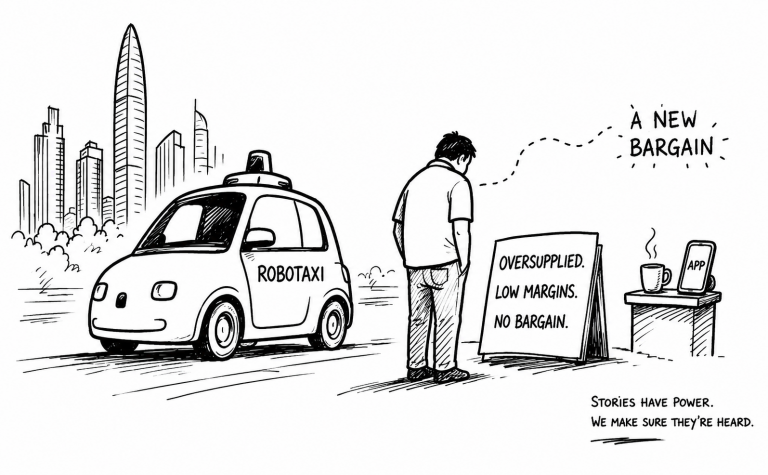
The law also doesn’t address the fundamental business model question: whether platforms can remain profitable if drivers earn significantly more. A unionized workforce costs more than a non-unionized one. If platforms cannot pass those costs to customers without demand collapsing, union negotiations will hit an economic ceiling. If platforms can raise prices or absorb lower margins, driver gains are possible. The unionization right doesn’t answer that economic question—it just ensures drivers can collectively negotiate rather than accepting platform terms individually.
For decades, platforms relied on that assumption to hold labor costs low. An independent contractor workforce cannot unionize, so individual drivers negotiate alone against platform algorithms and policies designed to minimize driver power. Illinois’s law doesn’t destroy that model, but it cracks it. Drivers now have the legal right to organize and bargain collectively, even if they remain independent contractors.
How meaningful that crack becomes depends on whether drivers can actually exercise that right effectively, and whether unions can translate collective organization into material compensation and condition improvements. The law creates the legal permission and protection for unionization. What drivers build with that permission remains to be seen.