The Critic's Desk
Lucky Daye’s ALOUD! Delivers on the Promise of “Nowhere Fast,” Even When It Wanders
His first album since leaving RCA is the most varied work of his career, with songs…
By Will Davison Jr. · October 16, 2026
The Critic's Desk
Is It Ethical to Call Yourself a Lawyer If You Never Passed the Bar?
The controversy surrounding White House press secretary Katie Zacharia raises a broader question about professional titles:…
By Leena Alridge · October 16, 2026
The Critic's Desk
A City Is Allowed to Outgrow Its Traditions
There is an understandable instinct to protect the things that make a city recognizable. New York…
By Will Davison Jr. · October 15, 2026
The Critic's Desk
Black Solidarity Cannot Require Black Americans to Surrender Their Distinct History
An Essence essay calls for unity across the Black diaspora. But solidarity cannot require descendants of…
By Bryson Davis · October 14, 2026
The Critic's Desk
Guns Don’t Kill People. People Do. Then the Policy Has to Be About People.
A mass shooting in Erie and a deadly attack on Riyadh's airport landed on either side…
By Brandon Crenshaw · October 13, 2026
The Critic's Desk
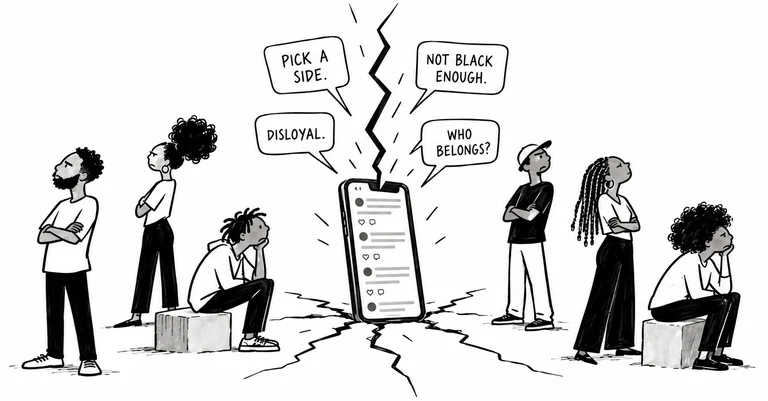
America Did Not Move Past Race. It Digitized the Conflict.
America’s racial tensions are no longer confined to institutions, neighborhoods or political movements. Social platforms, algorithms…
By Will Davison Jr. · October 12, 2026
The Critic's Desk
Atlanta Is What a Fractured Economy Looks Like
We keep asking whether America is in a recession. Atlanta’s eviction crisis suggests we may be…
By Brandon Crenshaw · October 11, 2026
The Critic's Desk
A Livestreamed Execution Isn’t Justice. It’s a Spectacle.
Nidal Hasan’s crimes were monstrous. Broadcasting his death would put the United States in the company…
By Will Davison Jr. · October 10, 2026
The Critic's Desk
Black Americans Are Drawing a Line Around Lineage. The Debate Is About More Than a Name.
The push to identify descendants of people enslaved in the United States as a distinct Black…
By Leena Alridge · October 10, 2026
The Critic's Desk
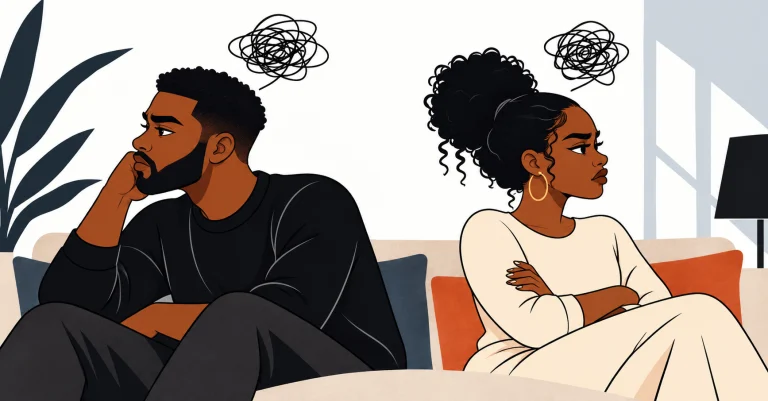
Being the Strong One Shouldn’t Mean Carrying Everything Alone
For World Mental Health Day, a reflection on the pressure to keep functioning—and the support people…
By Will Davison Jr. · October 9, 2026
The Critic's Desk
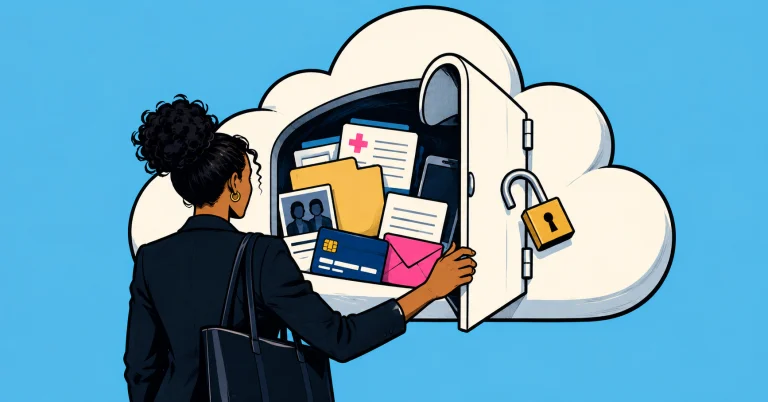
Our Lives Are in the Cloud. The Risk Comes Home.
The Asos breach exposes how little control we have over the organizations—and vendors—holding our personal information.
By Will Davison Jr. · October 9, 2026
The Critic's Desk
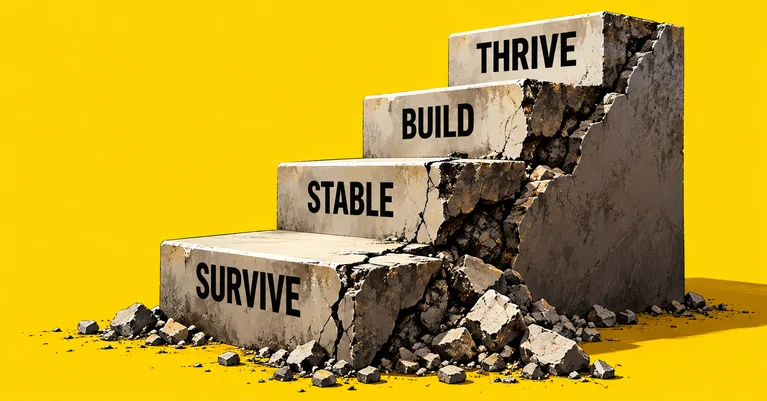
When Staying Current Becomes the Goal
What concerns me is how easily we’ve accepted staying afloat as a substitute for getting ahead.…
By Will Davison Jr. · October 9, 2026