The news tells you what happened. We explain what changed.

Explore all past issues, only on Beehiiv.
All Workforce stories, newest first.
Workforce
Ratified contracts put wages, leave and working conditions at the center of the institutions that present…
By Social Storytellers Collective News Desk · October 8, 2026
Workforce
The third year of a corporate partnership puts money behind a question confronting workers across the…
By Social Storytellers Collective News Desk · October 6, 2026
Layoffs
September’s weak jobs report looks different when separated by gender. Hundreds of thousands fewer women are…
By Leena Alridge · October 5, 2026
Job Market
Part 2: The U.S. added just 29,000 jobs in September. Nearly 2 million people have now…
By Social Storytellers Collective News Desk · October 4, 2026
Job Market
More than 280,000 technology positions are currently open. The strongest demand is moving toward the physical…
By Will Davison Jr. · October 4, 2026
Workforce
September added just 29,000 jobs, and the summer was revised lower. A steady unemployment rate offers…
By Will Davison Jr. · October 2, 2026
Workforce
September added just 29,000 jobs, and the summer was revised lower. A steady unemployment rate offers…
By Will Davison Jr. · October 2, 2026
Workforce
Workforce Pell is beginning to move from legislation into actual classrooms, giving low-income students access to…
By Social Storytellers Collective News Desk · October 1, 2026
Layoffs
The software company is reducing product and technology roles for the second time this year while…
By Bryson Davis · September 30, 2026
Workforce
The policy does more than require private companies to hire citizens. It is forcing employers to…
By Will Davison Jr. · September 30, 2026
Workforce
The Hire From Nigeria campaign targets one million export-linked jobs by 2030. Instead of treating migration…
By Will Davison Jr. · September 29, 2026
Job Market
Employers are not laying people off in large numbers. They are also not creating much room…
By Will Davison Jr. · September 29, 2026

Older workers often have lower unemployment rates than younger workers. But when they lose long-held jobs, getting back to comparable work is much harder — and the financial damage can be severe.

At 46, Dennis thought his professional experience would give him some protection in a difficult job market. He had spent four years as a development director at a nonprofit, earned $108,000 annually and had reached a point in his career where the next move was supposed to build on what he had already accomplished. Instead, after leaving his position, he spent seven months looking for work and watched the assumptions he had made about his market value slowly unravel. Dennis submitted 142 job applications, received five interviews and ultimately received one offer. The position paid $71,000 a year, $37,000 less than his previous salary, representing a reduction of roughly 34%. By the time the offer arrived, however, the decision was no longer simply about whether the salary reflected his experience or whether the title represented the next logical step in his career. It had become a question of how much longer he could afford to remain unemployed.
An approximately €31 million agreement over alleged exploitation at a Milan construction site highlights the challenges of protecting migrant workers on government-commissioned projects.
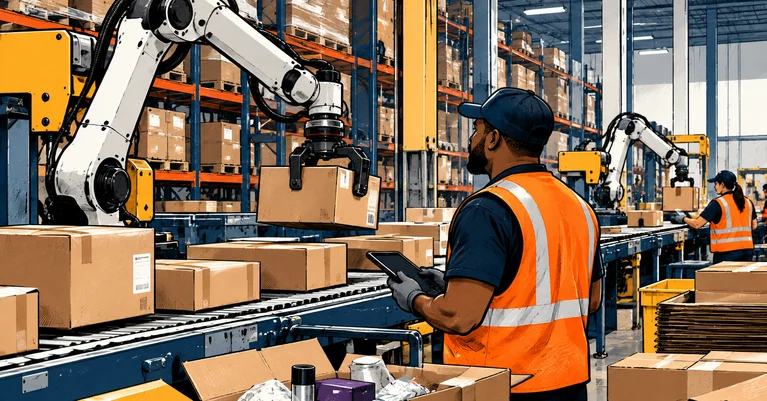
Walmart is discovering that warehouse automation does not happen simply because a company buys enough robots. A Wall Street Journal investigation published October 9 describes repeated technical and financial obstacles in the retailer's effort to automate roughly 200 U.S. supply-chain buildings. The machines can struggle with cardboard boxes, oversized goods and the routine act of unpacking items for individual shipments. The stakes extend beyond engineering: Walmart's distribution network supports thousands of stores and employs more than 140,000 warehouse workers, according to the Journal. A system meant to reduce handling time is now forcing the retailer to redesign packaging, maintenance routines and jobs around what machines can actually do.
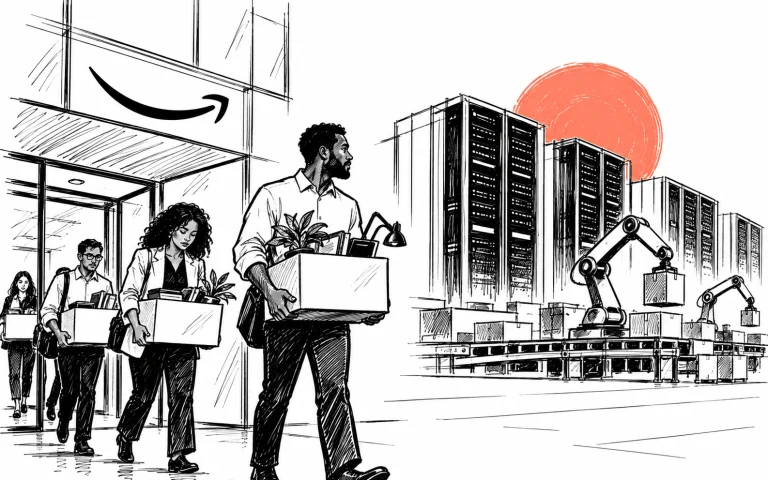
Amazon’s latest cuts are small compared with earlier rounds, but they show how white-collar restructuring is becoming continuous rather than episodic.

New Pew data shows six in 10 Americans now describe themselves as working class — including half of upper-income adults and college graduates. The label is becoming less about occupation and more about politics, status and how people understand their place in the economy.
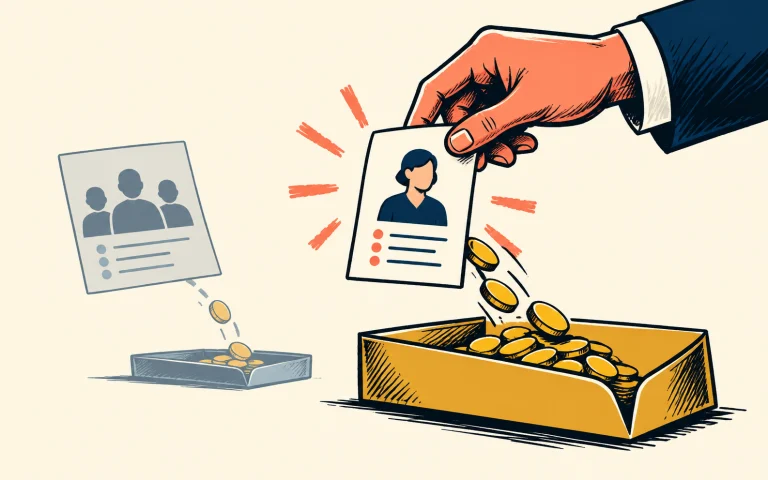
Business Insider reports that LinkedIn is moving corporate employees to a bonus structure based entirely on individual performance beginning in fiscal 2027.

For some workers, a second paycheck is not a sign of ambition or crisis. It is the mechanism that makes ordinary expenses manageable.
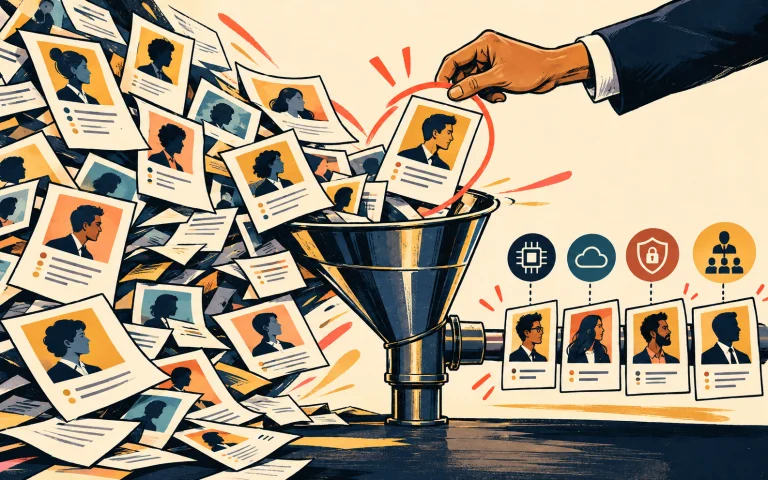
Hundreds of applications can arrive for one opening while AI, cybersecurity and leadership roles remain difficult to fill. The labor shortage is increasingly a qualification mismatch.
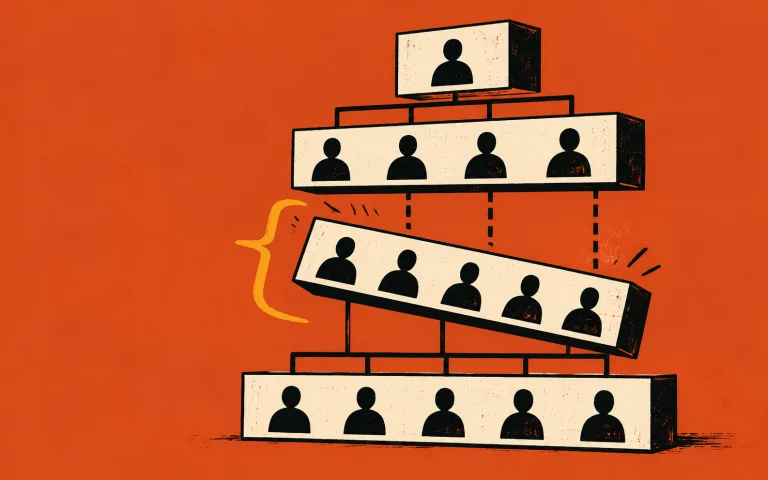
Dharmesh Shah apologized for a “curt and insensitive” LinkedIn post after HubSpot’s AI-driven restructuring. The backlash shows how much the language of layoffs still matters.

The bank is reportedly considering steep reductions across parts of its U.K. wealth business. The shift shows AI moving beyond back-office automation and into work built around judgment, relationships and advice.
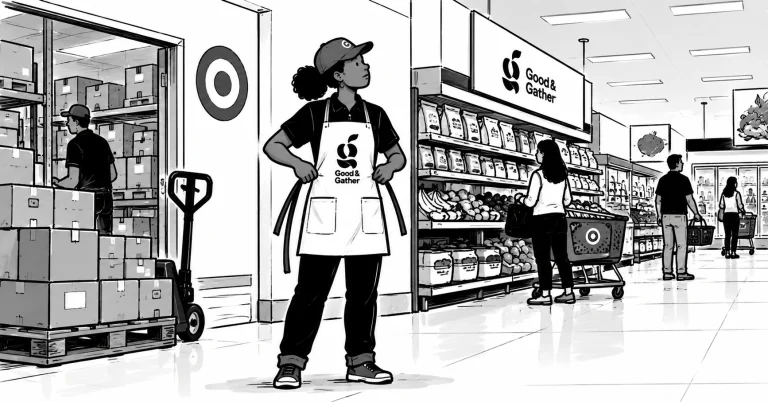
Starting November 1, Target's grocery employees will wear branded hats and aprons as the retailer expands its food business. The new dress code is intended to improve customer service, but employee concerns reveal the operational challenges behind a corporate growth strategy.
