The news tells you what happened. We explain what changed.
Explore all past issues, only on Beehiiv.
All Analysis stories, newest first.
Analysis
Analysis | A Meta filing shows how the company’s founder used a looming wealth tax to win a deal that lets him cash out without giving up control.
By Will Davison Jr. · October 23, 2026

Analysis
New Pew Research Center data show that TikTok has become a regular news source for millions of Americans, especially younger and minority…

Analysis
At 46, Dennis thought his professional experience would give him some protection in a difficult job market. He had spent four years…
Analysis
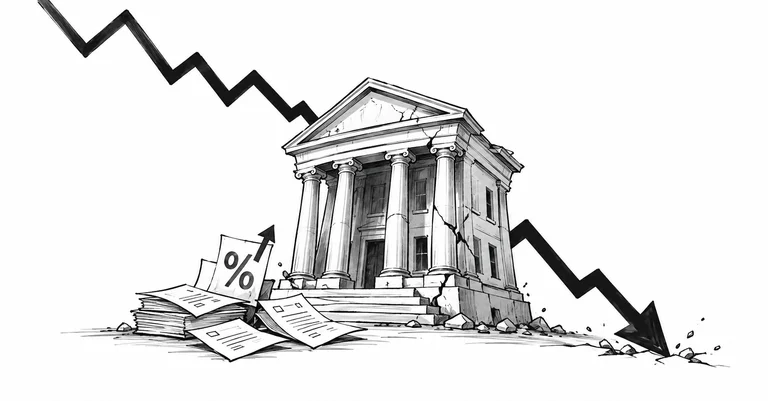
The S&P 500 is sitting near a record while the country's biggest banks have shed roughly $270 billion in market value since…
Analysis
Federal Reserve Chair Kevin Warsh wants financial markets to rely more on economic data and less on central…
By Social Storytellers Collective News Desk · October 15, 2026
Analysis
The company stopped reporting regional comparable-store sales as Greater China revenue fell 26% on a currency-neutral basis and…
By Will Davison Jr. · October 10, 2026
Analysis
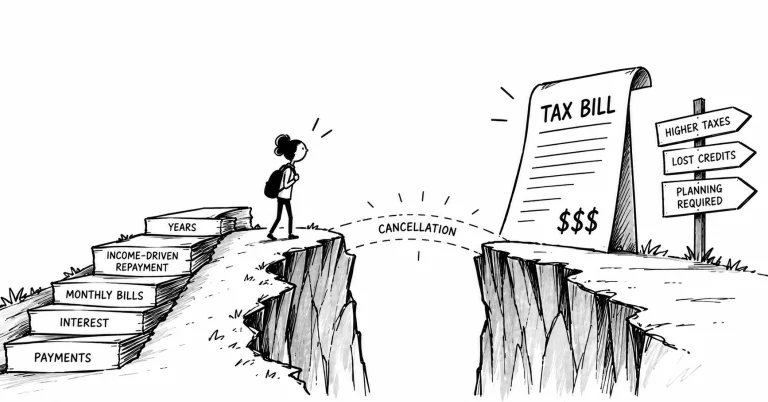
The expiration of a broad federal tax exemption changes what income-driven repayment cancellation can mean for household finances.
By Social Storytellers Collective News Desk · October 8, 2026
Breaking News
Opinion
The latest Census figures offer encouraging news, but nearly 8 million Black Americans still live below the poverty line. At what point do we stop celebrating small improvements and confront…
By Bryson Davis · October 27, 2026
Read the column →Analysis | A Meta filing shows how the company’s founder used a looming wealth tax to win a deal that lets him cash out without giving up control.

New Pew Research Center data show that TikTok has become a regular news source for millions of Americans, especially younger and minority audiences. The shift is changing where people encounter journalism and what news organizations must do to remain relevant.
Eggs cost far less than they did early last year, mostly because the bird flu outbreak eased. With the midterms less than two weeks away, voters are still focused on the overall cost of living.
Federal Reserve Chair Kevin Warsh wants financial markets to rely more on economic data and less on central bank forecasts. Other policymakers argue that withholding guidance could make an already uncertain economy harder to navigate.
U.S. stocks recorded their worst trading day since July on October 14 as accelerating inflation renewed expectations that the Federal Reserve could raise interest rates again. The S&P 500 declined 1.1% to 7,718.94, while the Nasdaq Composite fell 1.9% to 26,692.87, according to the Associated Press. The Dow Jones Industrial Average slipped 0.1%, and the Russell 2000 index of smaller companies also declined 1.9%. The selloff followed inflation data showing consumer prices had risen 3.7% over the previous year, increasing concern about tighter monetary policy. Higher financing costs can affect business expansion, corporate investment and hiring decisions, particularly for companies dependent on borrowed capital. However, a single trading session does not establish that employers will reduce hiring or that economic growth will slow. The more consequential development is the return of uncertainty around the cost of financing future growth. For businesses already evaluating whether to invest, expand or preserve cash, that uncertainty may become more important than the stock market's daily movements.
At 46, Dennis thought his professional experience would give him some protection in a difficult job market. He had spent four years as a development director at a nonprofit, earned $108,000 annually and had reached a point in his career where the next move was supposed to build on what he had already accomplished. Instead, after leaving his position, he spent seven months looking for work and watched the assumptions he had made about his market value slowly unravel. Dennis submitted 142 job applications, received five interviews and ultimately received one offer. The position paid $71,000 a year, $37,000 less than his previous salary, representing a reduction of roughly 34%. By the time the offer arrived, however, the decision was no longer simply about whether the salary reflected his experience or whether the title represented the next logical step in his career. It had become a question of how much longer he could afford to remain unemployed.
The S&P 500 is sitting near a record while the country's biggest banks have shed roughly $270 billion in market value since summer. Their third-quarter reports will show whether higher rates are squeezing only bank stocks, or the people who borrow from them.
The company stopped reporting regional comparable-store sales as Greater China revenue fell 26% on a currency-neutral basis and Nike prepares to reorganize its geographic reporting.
The expiration of a broad federal tax exemption changes what income-driven repayment cancellation can mean for household finances.