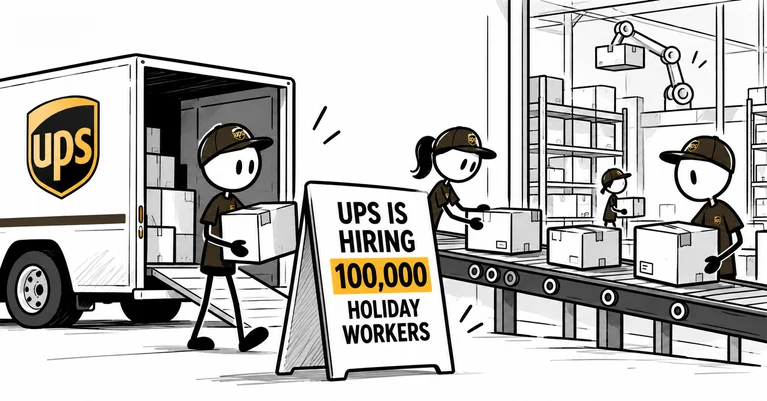
UPS still needs a six-figure temporary workforce to move holiday packages. But the company’s hiring plans sit inside a broader shift toward automation, facility closures and a smaller permanent workforce.
Type One Energy raised a $200 million Series B led by Breakthrough Energy Ventures and Clutterbuck Capital to build its first commercial fusion power plant, which it aims to bring online by 2034 at the Tennessee Valley Authority’s Bull Run site. Lowercarbon Capital, Siemens Energy Ventures and SiteGround Capital also invested, adding to at least $82.5 million the company raised earlier. Type One plans to act as an integrator, designing the plant while partnering with specialized suppliers, including high-temperature superconducting magnets licensed from Commonwealth Fusion Systems and engineering work from AECOM. CEO Christofer Mowry said the capital Type One needs is “just a different order of magnitude than if you were going to be vertically integrated.” Fusion has a long history of slipping timelines, so 2034 is a target the industry will be watching closely.
Employers say they need workers with more skills and experience. At some point, we have to ask who is supposed to give workers the opportunity to acquire them.
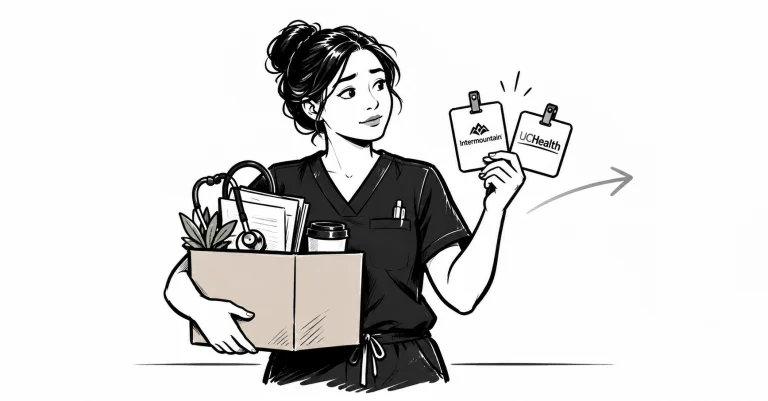
Most affected Trinsic employees are expected to transition to another employer in December. The remaining questions concern who receives an offer and what continuity looks like.
Uber agreed on October 6 to buy ezCater, a marketplace for corporate and workplace catering orders, in an all-cash deal valued at $2.3 billion. ezCater, founded in 2007, processed more than $2.5 billion in gross bookings over the past 12 months and bootstrapped for seven years before raising its first outside funding in 2014. The purchase pushes Uber Eats beyond single-meal delivery into large group orders, a category CEO Dara Khosrowshahi said “can be a huge revenue stream for restaurants.” It follows Uber’s $15 billion bid for Delivery Hero and its investments in drone delivery, a sign the company wants to own more of how food moves, from the kitchen table to the conference room. The companies did not announce a closing date.
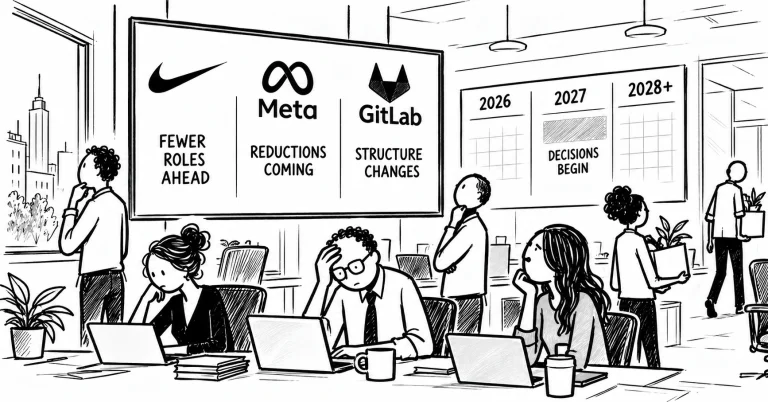
Nike, Meta and GitLab have announced reductions before identifying affected employees. The gap gives companies time to reorganize while workers decide how much uncertainty they can afford.
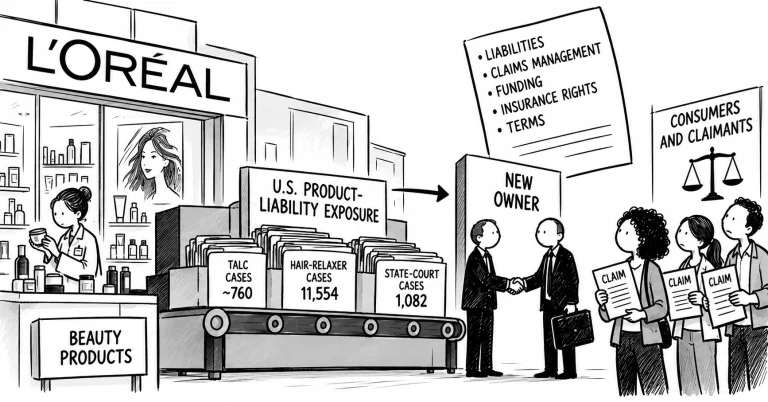
Advisers are examining how to separate U.S. product-liability exposure from the beauty company’s operations. For claimants, the terms would determine who manages the cases and what resources stand behind them.
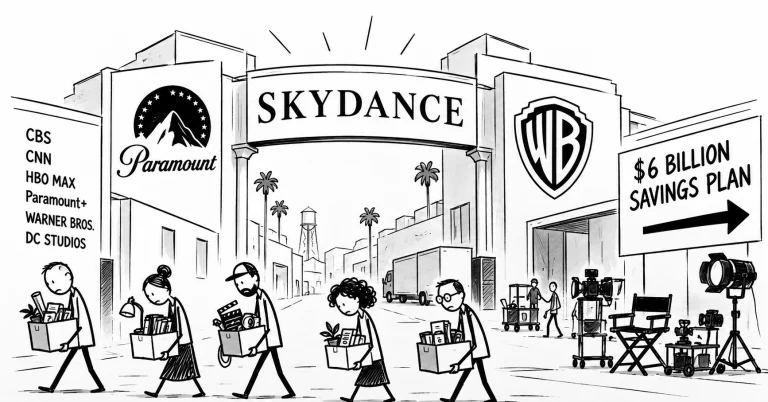
Skydance brings major studios, streaming services and news networks under one owner. The next decisions will determine who keeps a job, who gets a project funded and how much choice survives the consolidation.
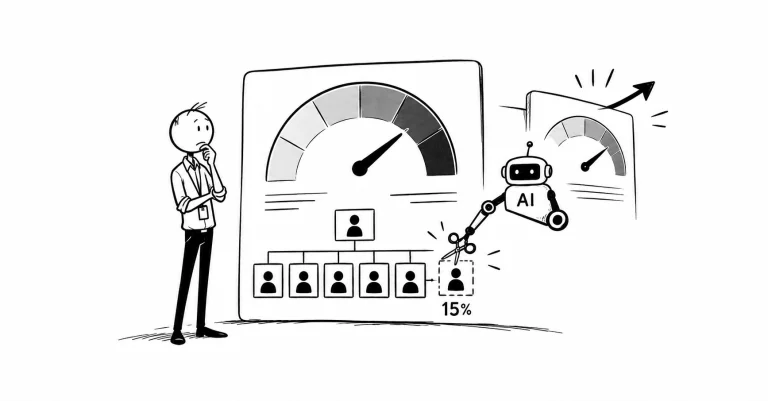
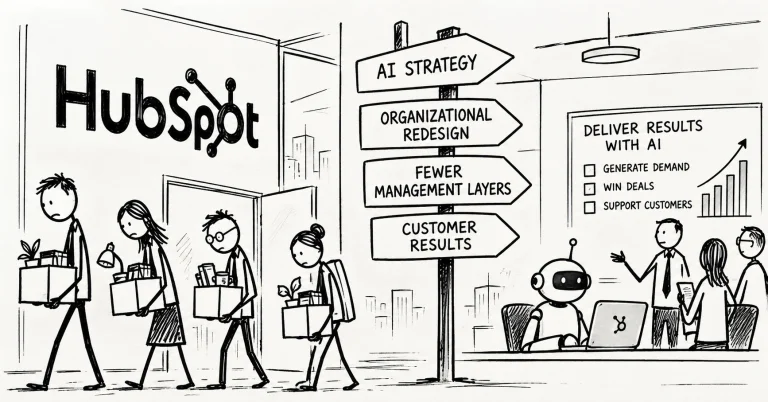
The company says AI efficiencies did not drive the layoffs. Its reorganization shows how a change in business strategy can threaten jobs before software replaces the work.
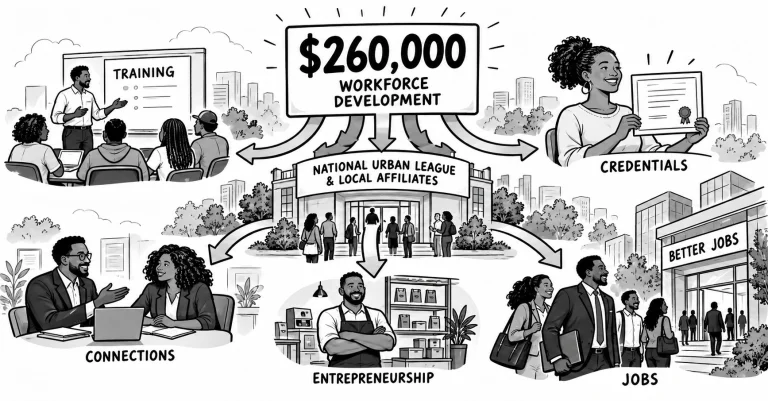
The third year of a corporate partnership puts money behind a question confronting workers across the economy: how people actually get access to better jobs.
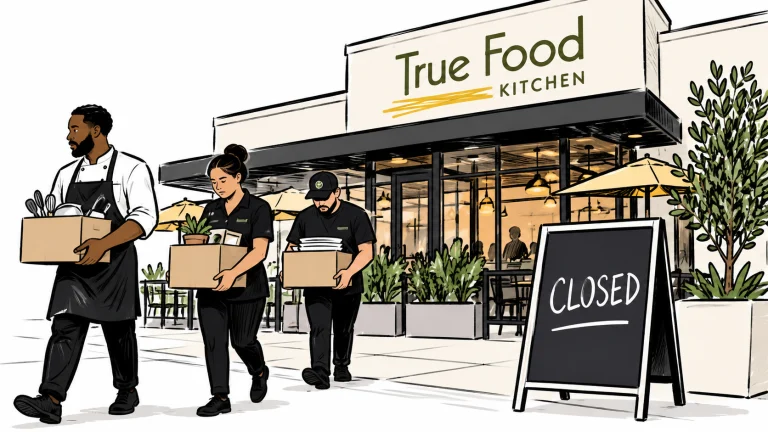
The wellness restaurant chain is closing 12 locations while seeking a buyer. The immediate consequences reach workers, suppliers and the communities losing those restaurants.