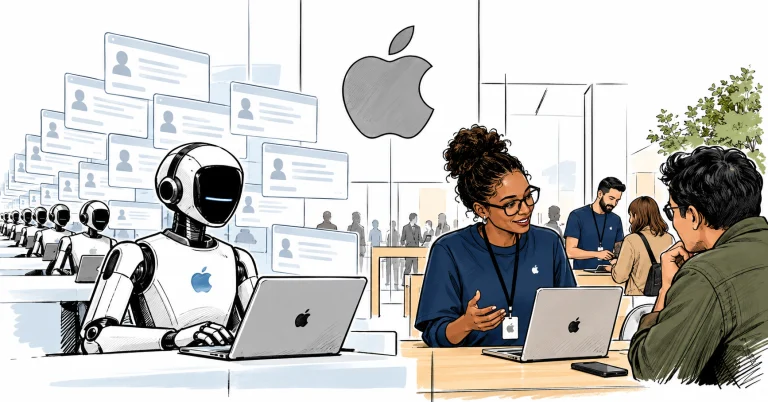
The plan is on hold. The more revealing part is that one of the world’s largest technology companies got far enough to model what customer service would look like without thousands of people.
The policy does more than require private companies to hire citizens. It is forcing employers to redesign recruitment, retention and career development around a workforce target government made mandatory.
The Hire From Nigeria campaign targets one million export-linked jobs by 2030. Instead of treating migration as the route to global wages, the government wants international employers to buy Nigerian services while workers remain inside the country.
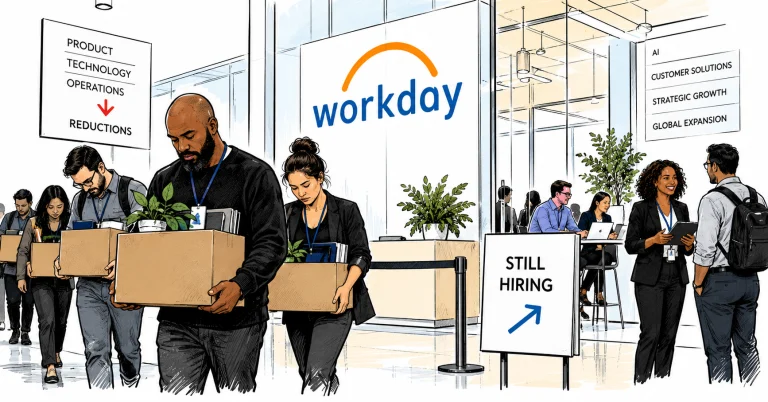
Employers are not laying people off in large numbers. They are also not creating much room for people trying to get in. The labor market is becoming stable for insiders and harder for outsiders.
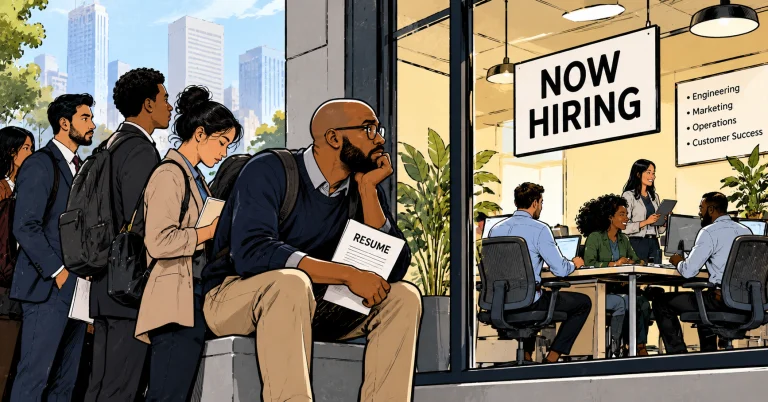
U.S. employers are still holding on to workers, but job openings fell again in August. The result is a labor market offering considerably more protection to people who already have jobs than opportunity to those looking for one.
Nearly half of workers now spend more time directing AI than doing the work itself. Pay systems were built for managing people, not agents, so that new responsibility mostly goes unrecognized.
Research suggests a company's culture takes about seven months to recover from a round of cuts. This year, many companies are cutting again before that recovery is over.
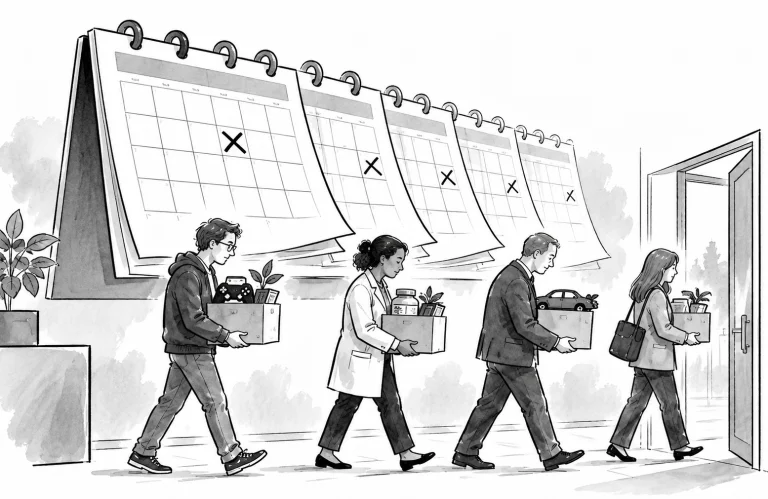
Xbox, Novo and Porsche all cut or planned cuts in the same week. None of them were new decisions. They were the next installments of plans already underway, and in two cases those plans got bigger than first announced.
New surveys suggest a meaningful share of workers end up in roles that don't match what they accepted. In a slow-hiring market, walking away from that mismatch costs more than it used to.
Allison Ellsworth started with apple cider vinegar, a homemade recipe and a farmers' market stall. A decade later, PepsiCo acquired the soda company she built with her husband for nearly $2 billion.