Business
Haribo Didn’t Go Viral. It Tripled Its U.S. Sales Anyway.
The gummy maker grew American retail sales from $188 million to $600 million by expanding products,…
By Brandon Crenshaw · October 5, 2026
Job Market
The Job Market Is Uncertain. AI Is Making It Cheaper to Build Your Own Income Stream.
For workers with existing skills, the real opening in AI is using it to turn expertise,…
By Social Storytellers Collective News Desk · October 5, 2026
Layoffs
451,000 Women Have Left the Labor Force This Year. Men Haven’t.
September’s weak jobs report looks different when separated by gender. Hundreds of thousands fewer women are…
By Leena Alridge · October 5, 2026
Job Market
The Side Hustle Now Has Its Own Entry Fee.
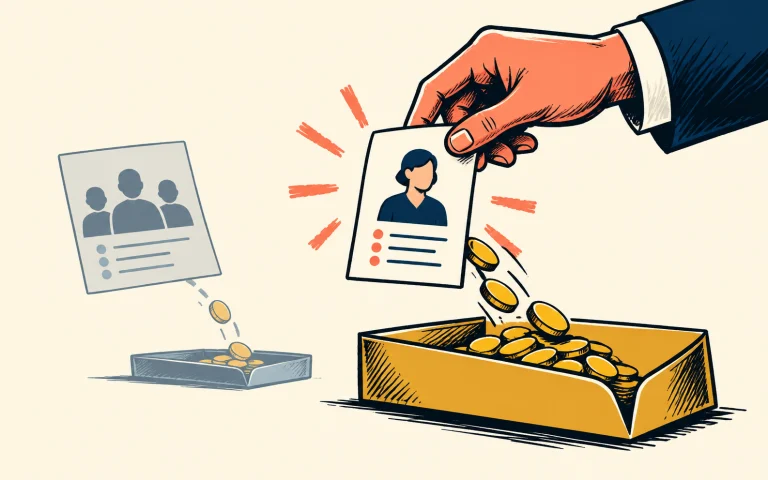
Travel-agent opportunities are spreading through social media with promises of flexible income. Some recruits are discovering…
By Bryson Davis · October 5, 2026
Layoffs
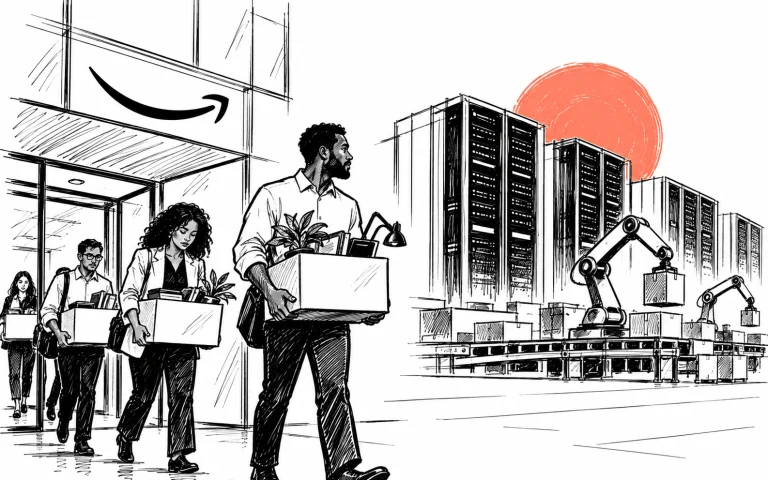
Nearly 19,000 Layoffs Are Already Scheduled. They Just Have Not Happened Yet.
WARN notices offer a forward view of job losses. Across the states currently tracked, thousands of…
By Social Storytellers Collective News Desk · October 5, 2026
Job Market
The Jobs Are Holding. The Hiring Isn’t.
Part 2: The U.S. added just 29,000 jobs in September. Nearly 2 million people have now…
By Social Storytellers Collective News Desk · October 4, 2026
Workforce
Nigeria’s Public-Sector Strike Is Putting the Cost of Fuel and Work on the Same Table
Public-sector unions in Nigeria have begun strike action demanding a sharp reduction in petrol prices and…
By Will Davison Jr. · October 4, 2026
Job Market
AI Is Not Eliminating Tech Hiring. It Is Changing Where the Jobs Are.
More than 280,000 technology positions are currently open. The strongest demand is moving toward the physical…
By Will Davison Jr. · October 4, 2026
Workforce
The Jobs Report Got Weaker. The People Waiting for Work Already Felt It.
September added just 29,000 jobs, and the summer was revised lower. A steady unemployment rate offers…
By Will Davison Jr. · October 2, 2026
Workforce
The Jobs Report Got Weaker. The People Waiting for Work Already Felt It.
September added just 29,000 jobs, and the summer was revised lower. A steady unemployment rate offers…
By Will Davison Jr. · October 2, 2026
Workforce
Pell Grants Were Built for College Degrees. They’re About to Start Paying for Eight-Week Credentials.
Workforce Pell is beginning to move from legislation into actual classrooms, giving low-income students access to…
By Social Storytellers Collective News Desk · October 1, 2026
Layoffs
Canada Is Letting Laid-Off Workers Keep Severance While Collecting Employment Insurance
Ottawa changed a rule that normally makes workers spend down separation pay before unemployment benefits begin.…
By Will Davison Jr. · October 1, 2026