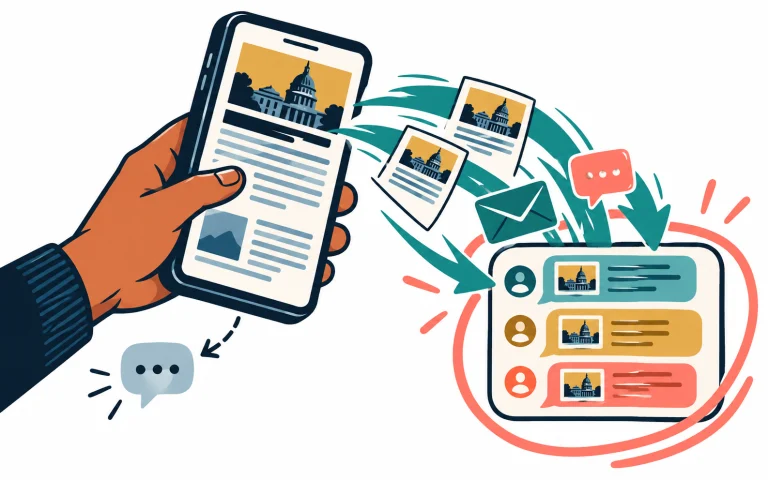
New Pew-Knight data shows private messages and quiet engagement now matter more than public comments. That changes what news organizations should consider an engaged audience.
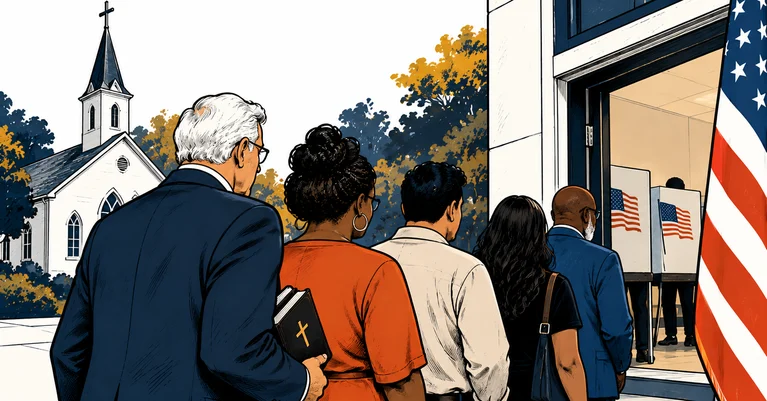
New Pew Research Center data shows sharply different voting preferences among White evangelicals, Black Protestants, Hispanic Catholics and religiously unaffiliated Americans. But even Trump's strongest religious supporters are less approving than they were at the beginning of his second term.
New Pew data shows six in 10 Americans now describe themselves as working class — including half of upper-income adults and college graduates. The label is becoming less about occupation and more about politics, status and how people understand their place in the economy.
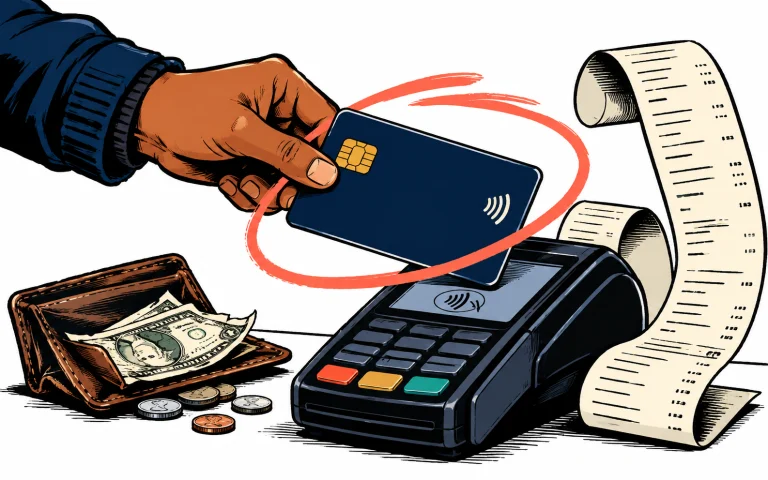
New Pew and Federal Reserve data show credit cards now account for the largest share of U.S. payments. The shift is about more than convenience: it is changing how Americans experience spending, debt and financial pressure.
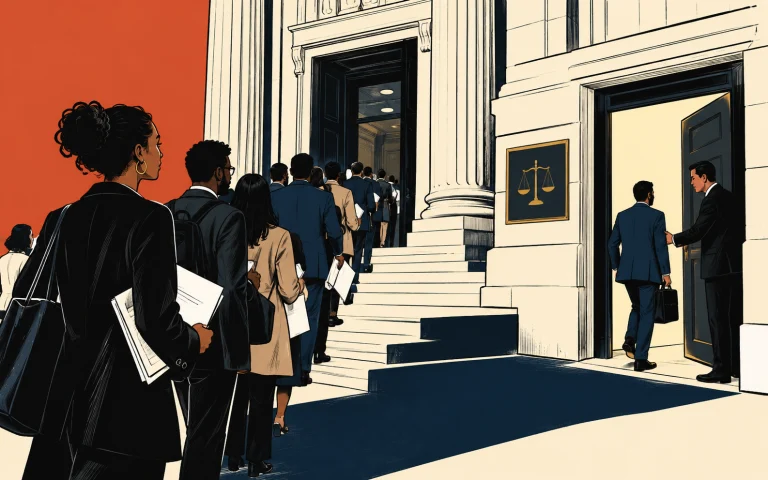
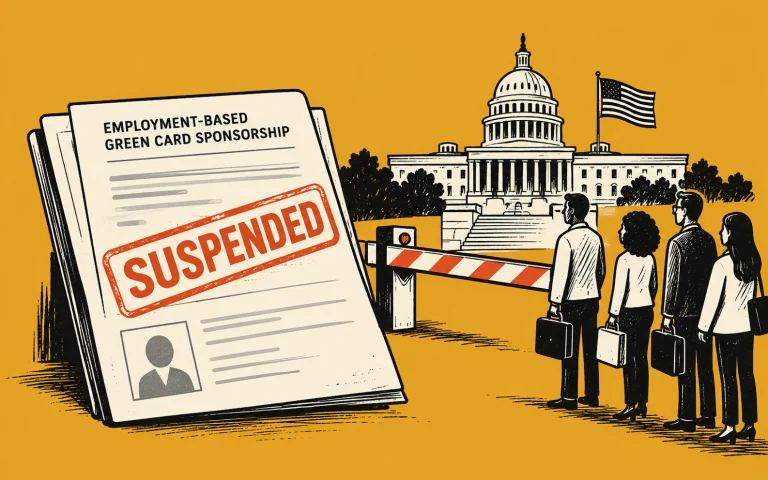
Four months after USCIS made it harder for immigrants already living in the United States to adjust to permanent residency, the policy is now facing a federal lawsuit — and the broader crackdown on legal immigration is spreading into the technology workforce.