Waymo and Uber Quietly Part Ways in Phoenix
The split shows autonomous vehicle companies are moving from platform experiments to local operating control.
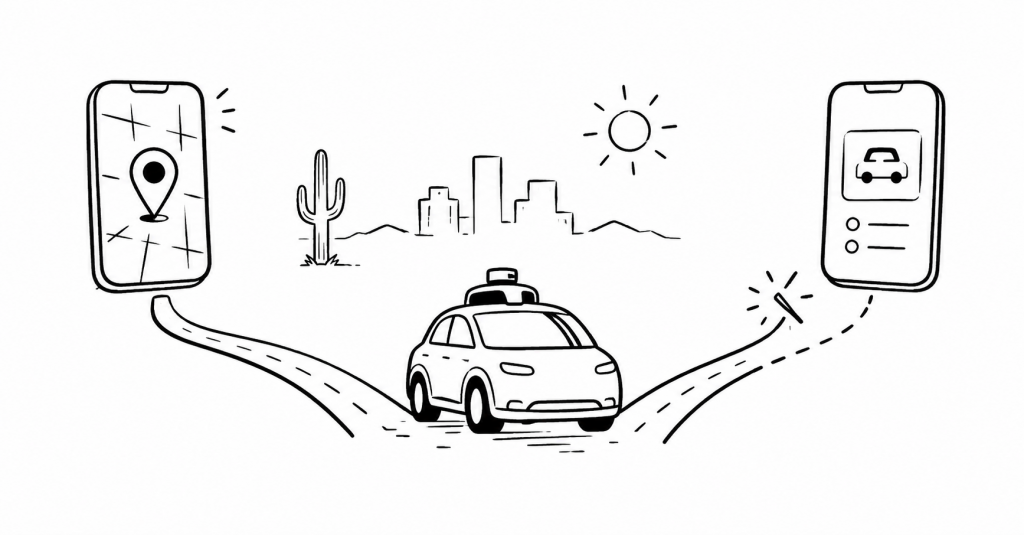
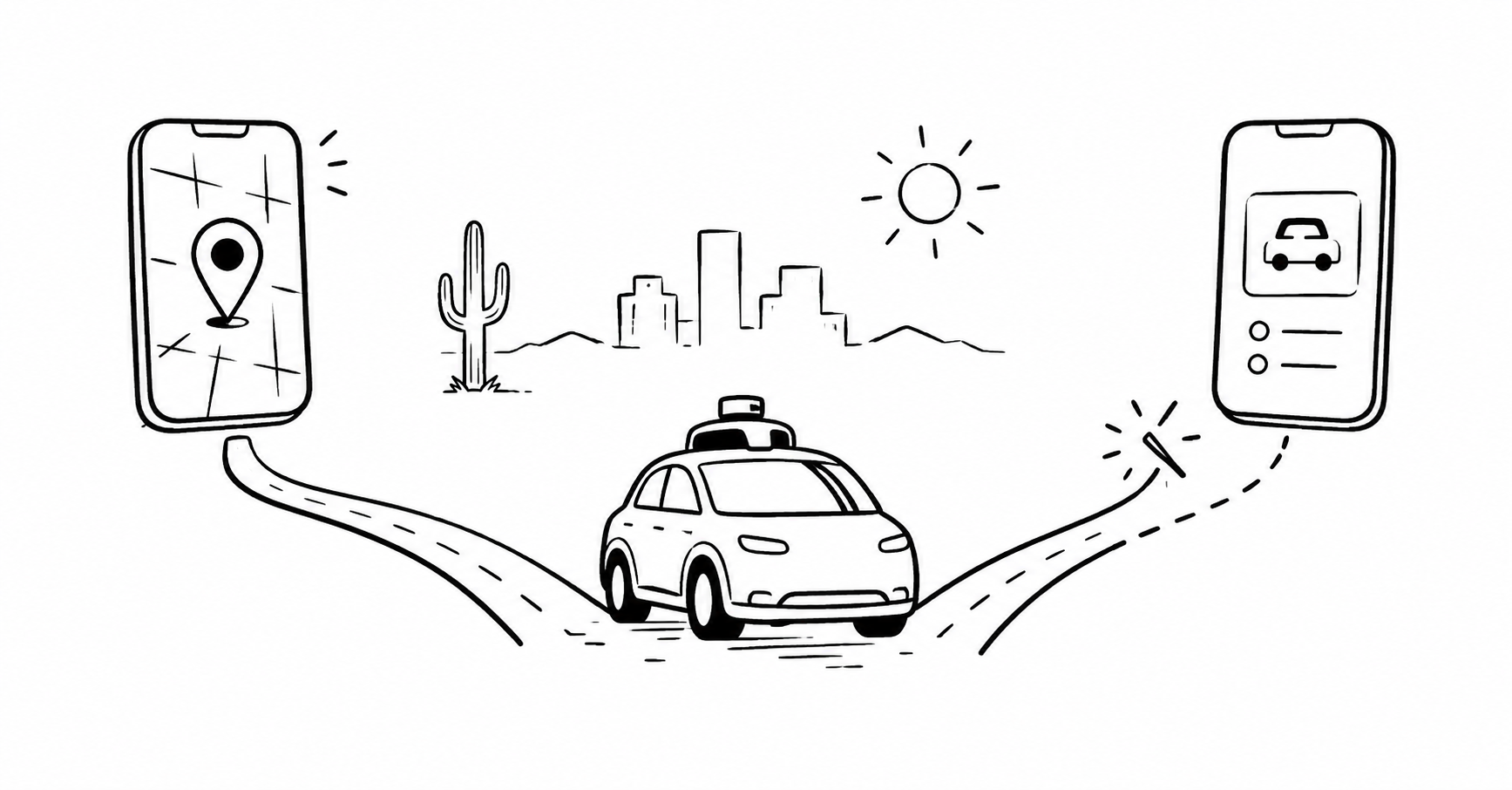
Reuters reported on June 29 that Uber and Waymo ended their robotaxi partnership in Phoenix, closing a pilot that began in 2023 and had placed Waymo’s autonomous vehicles inside Uber’s ride-hailing and delivery network. Waymo said the vehicles used in the pilot have been reintegrated into its Phoenix fleet and remain available through the Waymo app. Uber described the Phoenix rollout as an intentionally limited pilot involving just over a dozen vehicles, while Waymo service remains available through Uber in Austin and Atlanta.
Autonomous vehicle deployment depends on who controls the customer relationship. A robotaxi company can supply vehicles to a marketplace, or it can own the trip from request to pickup to payment to post-ride trust. Phoenix shows why that distinction matters. Waymo already operates a large local fleet there. Once the company can attract riders directly through its own app, Uber’s marketplace becomes less necessary — and potentially more costly to maintain.
Uber’s incentive runs in the opposite direction. The company wants autonomous supply without becoming dependent on a single autonomous partner. If Waymo controls the vehicles, the safety narrative, the local operating data, and the rider experience, Uber risks becoming a demand layer for someone else’s transportation network. That arrangement is useful during a pilot. It weakens as a long-term bargain.
Local operating data is the asset underneath the split. Robotaxi companies learn from streets, construction zones, rider behavior, dispatch patterns, wait times, and edge cases that only surface after thousands of real trips. A platform partnership can help test demand, but the accumulated intelligence sits closest to whichever company runs the fleet. Waymo gains more by consolidating that data inside its own operating system than by leaving Phoenix riders inside Uber’s interface.
Timing matters because the robotaxi business is moving through a credibility test. Waymo recently recalled nearly 3,900 robotaxis after a software issue allowed some vehicles to enter closed freeway construction zones. No crash or injury was reported, but the recall reinforced the basic constraint on autonomous transportation: scale requires public trust before it produces commercial leverage. In that environment, owning the customer relationship gives Waymo more control over how problems get explained, fixed, and absorbed.
Phoenix may be the mature-market exception rather than the national template. Uber still has value in cities where Waymo wants demand aggregation, faster rider acquisition, or operational proof before building a direct consumer habit. Austin and Atlanta remain different markets because the operating stack there is still forming. The split suggests the partnership model depends less on corporate strategy than on local maturity — early cities need platforms, mature cities may not.
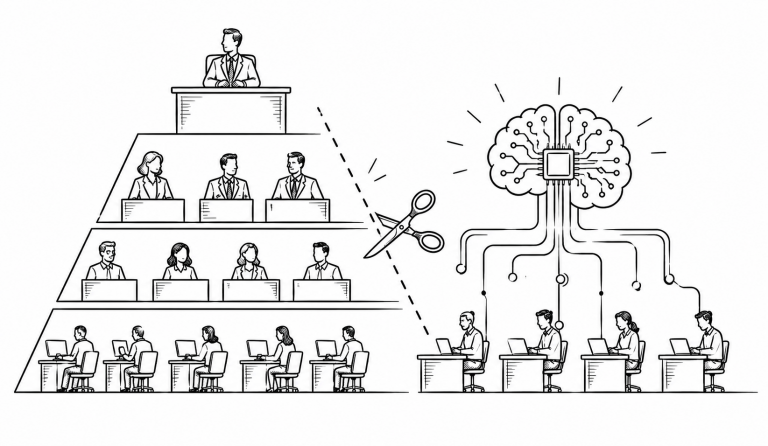
Power moved from Uber’s marketplace toward Waymo’s local transportation stack. That does not mean Uber loses the autonomous race. It means the race is no longer only about who can summon a car. It is about who controls the city-level system that makes the car trusted, routed, maintained, priced, and remembered. The next phase of robotaxi competition will be fought city by city, and the company that owns the local operating relationship will hold more leverage than the company that only owns the app screen.