New York’s Inflation Is Running at 5.1%. Its Wage Growth Is Running at 3.2%.
The gap between those two numbers is a real wage decline affecting millions of workers in the country’s highest-wage metro — and no headline is calling it that.
The Bureau of Labor Statistics measures both sides of the equation. For the New York–Newark–Jersey City metropolitan area, the Consumer Price Index rose 5.1% for the 12 months ending May 2026. For the same period ending March 2026, the BLS measured compensation growth for private-sector workers in the area at 3.4%, with wages and salaries specifically advancing 3.2%. The gap between those two numbers is approximately 1.9 percentage points of real wage loss, distributed across a metropolitan area of roughly 20 million people.
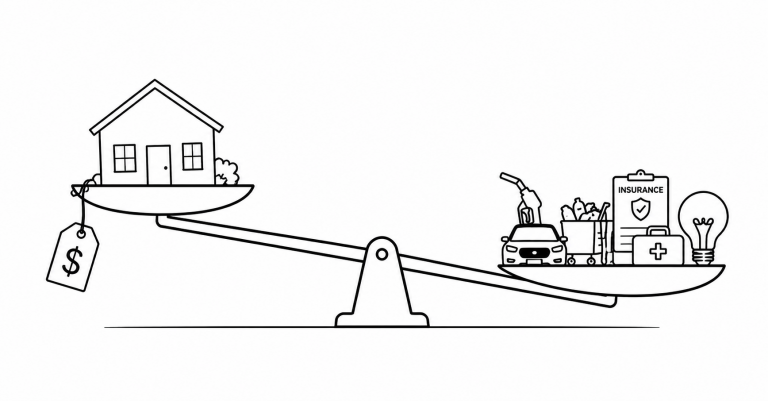
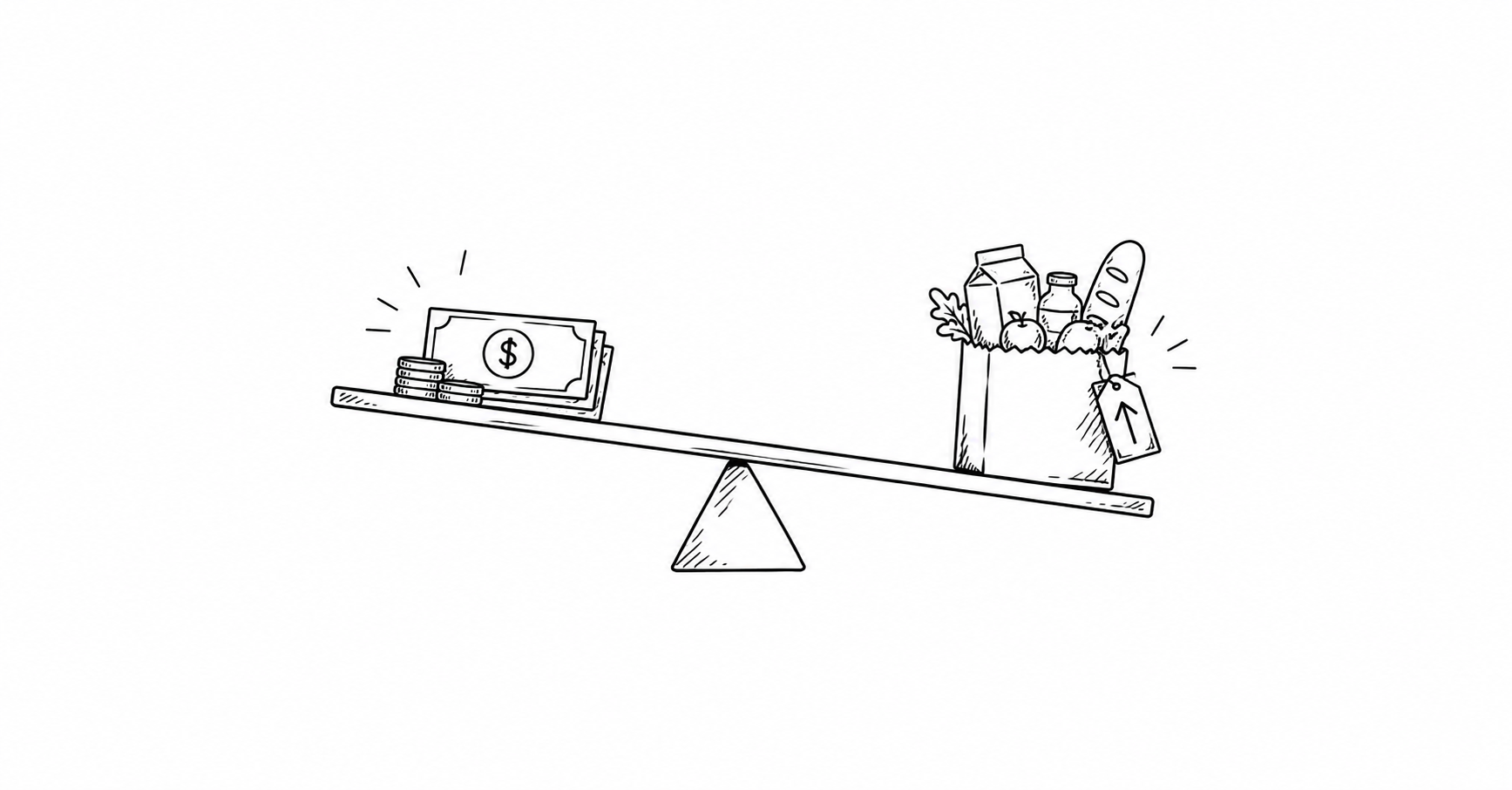
A nominal wage increase is not a raise if prices are rising faster than the paycheck. The 1.9-percentage-point gap means that the average private-sector worker in the New York metro earned less in real terms in May 2026 than they did in May 2025, regardless of what their pay stub showed. The employer issued a raise. Inflation absorbed it and charged the worker the remainder.
This is not unusual in recent economic history. What makes the New York case worth examining specifically is what happens when the country’s highest nominal-wage metro produces negative real wage growth. The New York metro is consistently used in national economic narratives as the upper anchor — a high-wage, high-productivity market that justifies its cost structure. When that market’s real wages are declining, the implication is not limited to New York. It raises the question of what is happening to real wages in metros where nominal wages are lower and inflation exposure is comparable or higher.
The aggregate wage figure for the New York metro — an annual average ranging from $85,000 to $95,000 depending on the data source — performs significant averaging work. It combines the compensation of finance and technology workers whose six-figure salaries are climbing against that inflation, and the compensation of healthcare aides, transit workers, food service employees, hotel staff, and retail associates whose hourly wages are climbing far more slowly. The 3.2% average is doing as much averaging as the headline number. The real wage loss at the bottom of the distribution is larger than 1.9 points. The gain at the top is larger too.
The workers absorbing the sharpest real loss are those at or near the wage floor. For a worker earning $18 to $22 per hour in New York, a 3.2% nominal raise adds roughly $58 to $71 per month in gross wages. At 5.1% inflation, the increase in the cost of rent, groceries, transportation, and utilities for the same period is materially larger. The gap is paid by the worker, in reduced purchasing power, month by month — without a name for it in any press release or earnings call.
The Federal Reserve’s rate policy has been the mechanism most cited for inflation management. The New York CPI data from May 2026 suggests that for one of the country’s most economically significant metros, that mechanism has not yet brought inflation to parity with wage growth. Until it does, every nominal raise for a low-wage worker in the New York metro is a partial offset against a real decline in what they can buy. The headline number says wages are growing. The math says most workers are falling behind.