Firms Rethink Middle Management Roles in the AI Era
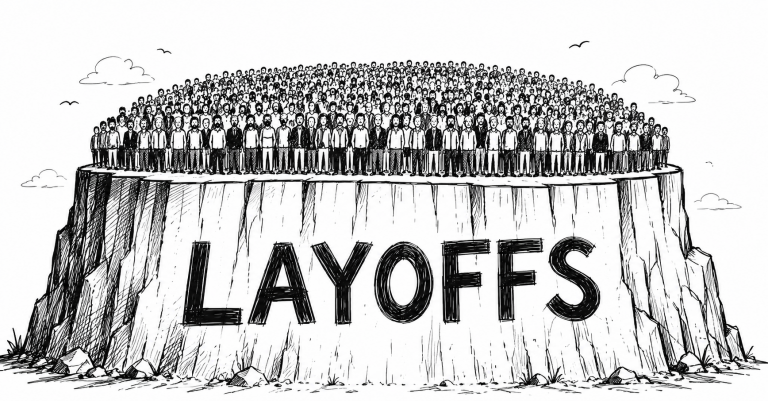
Jack Dorsey published a manifesto this week calling for management layers to disappear entirely. The data shows that’s already underway.

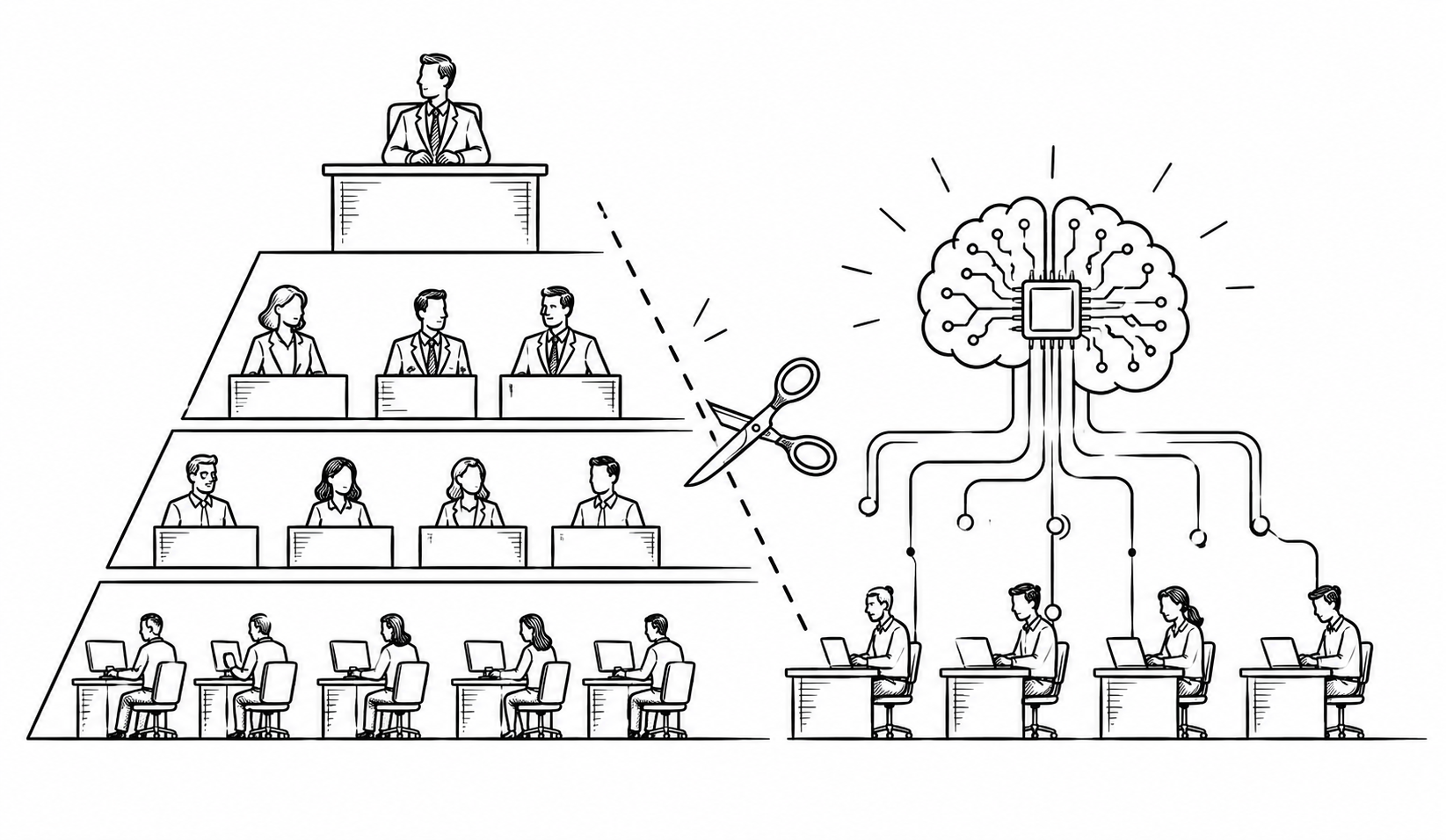
Block co-founder Jack Dorsey published a management manifesto on June 17 calling for “a different kind of company,” one where an AI-powered “intelligence layer” coordinates work in place of middle managers, while individual experts make decisions and solve problems “without waiting to be told what to do,” Bloomberg reported. Dorsey told a podcast audience he aims to reduce the layers between Block’s 6,000 employees and himself to two or three this year, down from about five. He’s not alone in the argument: Gartner projects that by the end of 2026, 20% of organizations will use AI to eliminate more than half of their current middle management roles.
The shift is already measurable in hiring data. LinkedIn job postings with “manager” in the title fell 12% year-over-year in early 2026, while postings for “lead” and “principal” roles — titles that carry strategic responsibility without the traditional managerial hierarchy attached — have grown in the same window. A 2025 Korn Ferry workforce survey found 41% of employees say their company has already reduced management layers, and notably, 37% of those employees report the change left them feeling directionless. Meta is renaming managers “AI builders,” “pod leads,” and “org leads” inside its Reality Labs unit. Block is calling them “player-coaches” who build alongside their teams rather than oversee them.
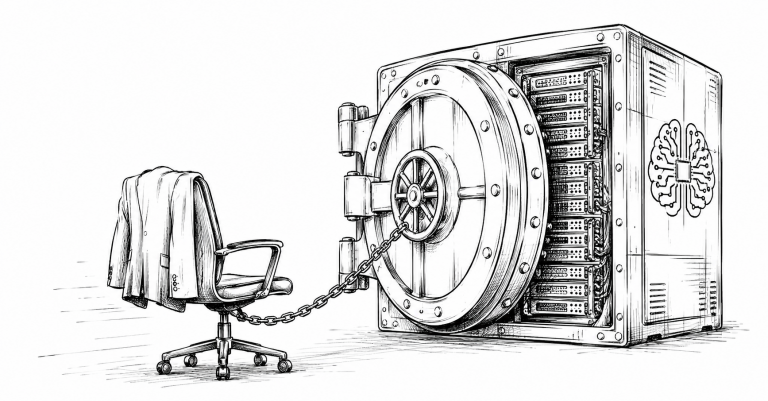
The mechanism driving this is specific, not abstract: roughly 60% of a typical manager’s workload is coordination — scheduling, status reporting, approvals, performance tracking — and that’s precisely the layer agentic AI tools are now built to automate. When software can route a request, check it against policy, and grant or deny it without a human in the loop, the manager whose job was largely performing that routing becomes redundant by design, not by accident. Target’s new CEO Michael Fiddelke has said the company built “too many layers and overlapping work” that slowed decisions — language that frames the cut not as a labor cost reduction but as a structural fix, even though the practical effect for the managers in those roles is identical to a layoff.
What gets lost in that framing is the part AI doesn’t replace. A 2025 Harvard Business School study found that while administrative tasks consume more than half a typical manager’s time, the remaining work — coaching, conflict resolution, translating high-level strategy into work a junior employee can actually execute — doesn’t compress the same way. The traditional career ladder from individual contributor to team lead to manager to director built skill progression into each rung: delegation, then people development, then strategic thinking. Removing the middle rungs doesn’t just cut headcount. It removes the place where those skills used to get built, which is why 37% of workers in flattened organizations report feeling directionless — not because the company got leaner, but because the structure that used to transmit context and judgment from senior leadership down to junior staff no longer exists.
This decision moves power away from a layer of workers who used to translate strategy into daily execution and toward a combination of senior executives, who retain final judgment, and the software performing the coordination work in between. The managers who survive this transition will be the ones who shift from task oversight to the parts of the job AI genuinely can’t replicate — but companies cutting first and figuring out which managers to keep second are running the experiment on their own organizations in real time, with the employees losing direction absorbing the cost of finding out what the new structure actually requires.
— SSC Business Desk | Social Storytellers Collective
Free, daily structural analysis like this lands in your inbox every weekday morning. Subscribe: https://246481934.hs-sites-na2.com/newsletter