Canada’s Asylum Safety Net Is Becoming a Referral System
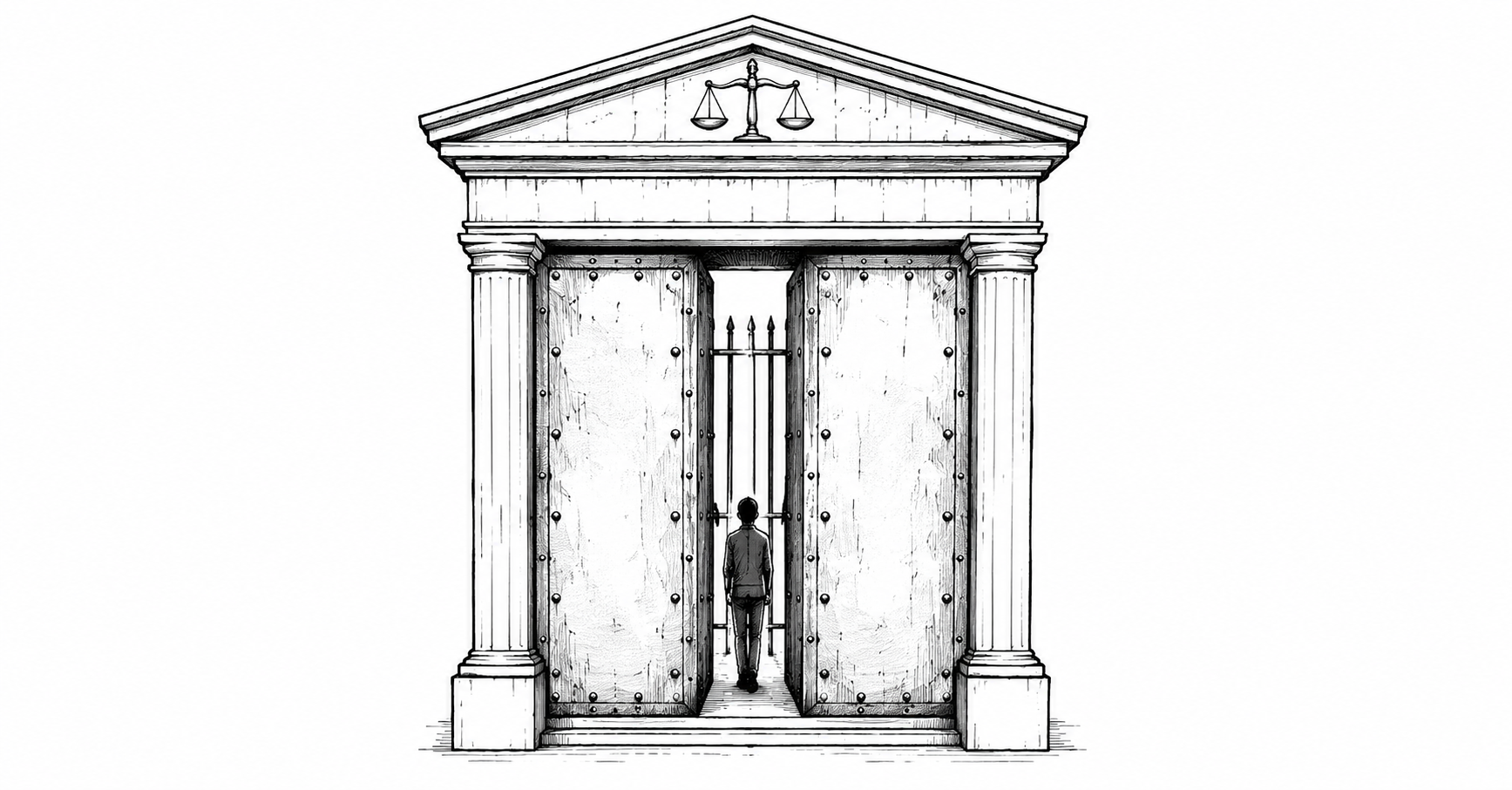
Canada’s asylum system still exists.
What has changed is who gets to use it. Under Bill C-12, the Strengthening Canada’s Immigration System and Borders Act, which received Royal Assent on March 26, 2026, the Canadian government introduced two new eligibility rules that determine whether an asylum seeker’s claim reaches the Immigration and Refugee Board, the independent tribunal that has historically decided refugee cases.
Claims filed more than one year after a person’s first entry into Canada are no longer referred to the IRB. Claims from people who crossed the Canada-U.S. land border at irregular points of entry and waited 14 or more days to file are not referred either. Both rules apply retroactively to claims made on or after June 3, 2025, the date the predecessor legislation was first introduced in the House of Commons.
The government’s stated rationale is system integrity and backlog reduction. The IRB is carrying 298,200 pending cases and an average wait time of 25 months. The new rules, according to Immigration Minister Lena Metlege Diab, are designed to reduce pressure on the system, close loopholes, and ensure that only hearing-ready files reach the board. Asylum claim volumes have already fallen sharply.
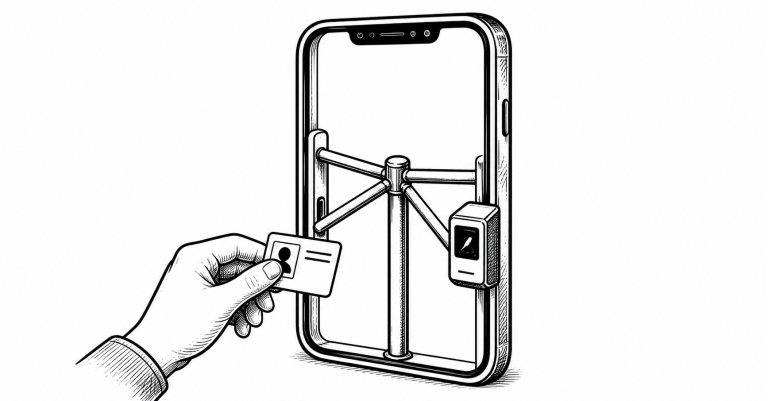
Canada recorded 42 percent fewer claims in the first four months of 2026 compared to the same period in 2025, and 63 percent fewer compared to 2024. By the government’s own measures, the law is working.What the law is also doing is routing tens of thousands of claimants away from an independent hearing and toward a pre-removal risk assessment, or PRRA, administered by Immigration, Refugees and Citizenship Canada. That distinction matters. The IRB is a quasi-judicial tribunal where claimants present evidence, face questioning, and receive decisions from a panel bound by established legal standards.
The PRRA is an administrative review run by the same department that determined a claim ineligible in the first place. Immigration lawyers across Canada described the situation to The Globe and Mail and other major outlets as one of mass confusion and fear among people who had been living in Canada, working, waiting for their cases to be heard, and who received procedural fairness letters within two to three days of the bill becoming law. Toronto immigration lawyer Max Berger described the letters as causing widespread panic.
An estimated 30,000 people are currently facing the prospect of losing access to an IRB hearing entirely.On June 19 and 20, 2026, Minister Diab announced a second wave of proposed regulatory changes published in the Canada Gazette, Part I, now in a 30-day public consultation period running through July 20. The proposals would require claimants to submit complete applications within 60 days of filing, with a one-time 30-day extension available on request. Claims would only be forwarded to the IRB after security and criminality reviews are completed by IRCC and its partners. The Refugee Protection Division would then decide cases based on files that have already cleared a government screening stage.
The IRB’s role in the system has not been eliminated. It has been repositioned downstream, behind an intake process administered by the same executive body that sets asylum policy.The structural shift here is not simply a matter of volume management. When a government designs a system in which the gatekeeper and the protection provider are housed within the same administrative structure, the question of independence becomes central to the question of protection.
Canada has an international legal obligation to assess claims from people who face persecution or serious harm. The proposed regulations do preserve the PRRA as a pathway, and Canada has introduced a temporary public policy allowing affected claimants to access or retain work permits while their cases move through the new process. But a PRRA is not a hearing. It is a paper review, conducted without the public accountability that an independent tribunal provides, by officials who are accountable to the minister rather than to a judicial standard.
The asylum system that claimants encounter in 2026 is one that manages claims before it hears them. Whether it still protects the people who most need protecting is the question these regulations do not answer.