Texas Is Turning Cultural Literacy Into State Power
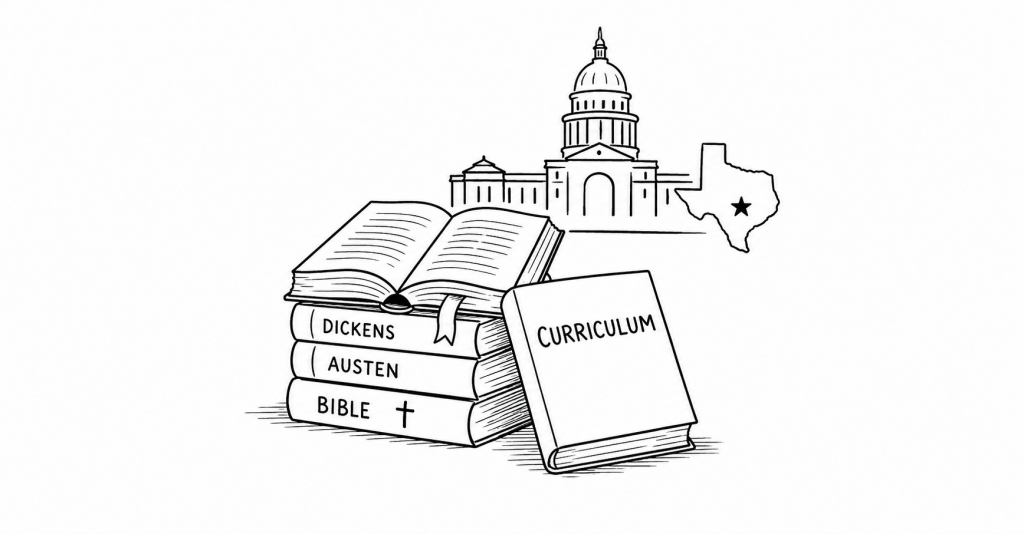
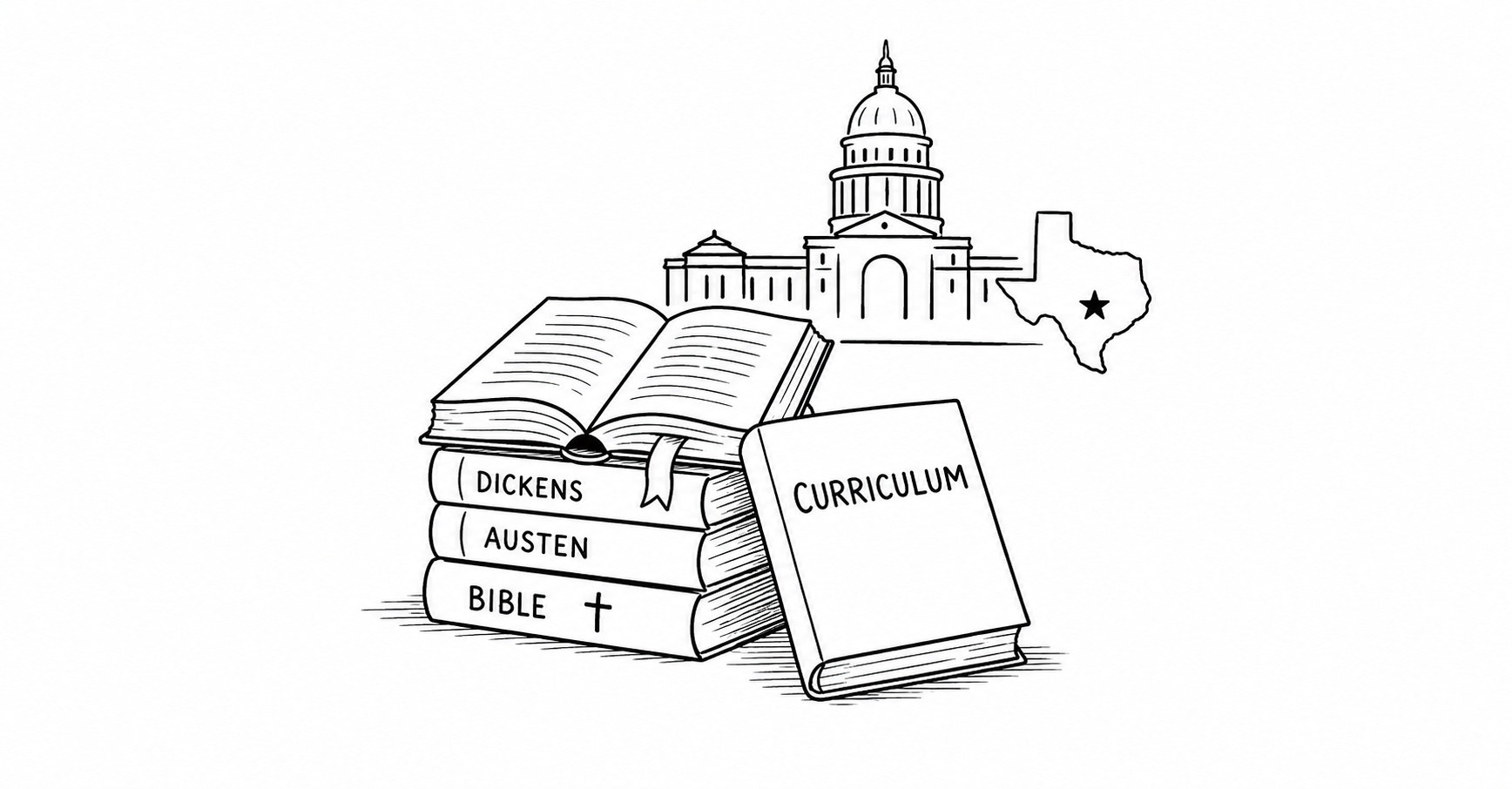
More than 5 million Texas public school students are now on a path toward a state-mandated reading list that includes Bible passages. The Texas State Board of Education approved the list on a 9-5 vote, with implementation set to begin in 2030 for elementary grades before expanding over time. The policy includes biblical stories and excerpts alongside roughly 200 literary works, including older Western canon texts such as Dickens, Austen and Aesop.
The immediate debate is predictable: supporters describe the Bible selections as historically and culturally important; opponents describe them as a breach of religious neutrality. But the deeper structural question is sharper. When a state decides which texts every child must encounter, it is not only making a curriculum decision. It is deciding which traditions receive public authority and which traditions remain optional, supplemental or invisible.
That is why the Texas vote matters beyond Texas. Curriculum is one of the quietest forms of institutional power because it determines what gets treated as background knowledge. A required text does not need to preach to shape a student’s understanding of what counts as foundational. The policy’s defenders say biblical literacy helps students understand American literature, law and public life. That argument has academic merit in the abstract. The problem is not whether the Bible influenced Western culture. It clearly did. The problem is whether the state can elevate one religious tradition inside a mandatory public-school framework without narrowing the meaning of civic literacy.
Texas is also not acting in isolation. The reading list follows broader state moves to place religious material inside public education, including efforts around Ten Commandments displays and state-approved curriculum products. Houston ISD’s adoption of the Bluebonnet curriculum shows how state-level education priorities can move quickly through large local systems, especially when financial incentives are attached. The mechanism is not merely ideology. It is procurement, compliance, testing alignment and administrative pressure.
The equity question is also unavoidable. Texas is a religiously and racially diverse state, but the approved list has drawn criticism for its emphasis on Christian and Western texts. The effect is not only symbolic. Students from non-Christian backgrounds may learn early that their traditions are treated as context while another tradition is treated as canon. Teachers, meanwhile, inherit the tension: they must teach religious material as literature or history without appearing to endorse it, all while navigating parents, boards and legal risk.
This is the story SSC should track: not a culture-war flare-up, but a governance model. The state is using curriculum to define shared memory before students are old enough to debate it. If courts allow that authority to stand, other states will likely test their own versions. The fight over Bible passages is really a fight over who gets to write the default settings of public knowledge.