The Housing Market Slowed. Access Did Not Return.
Home sales are cooling across parts of the country, but for millions of households, the barriers to homeownership have not moved.
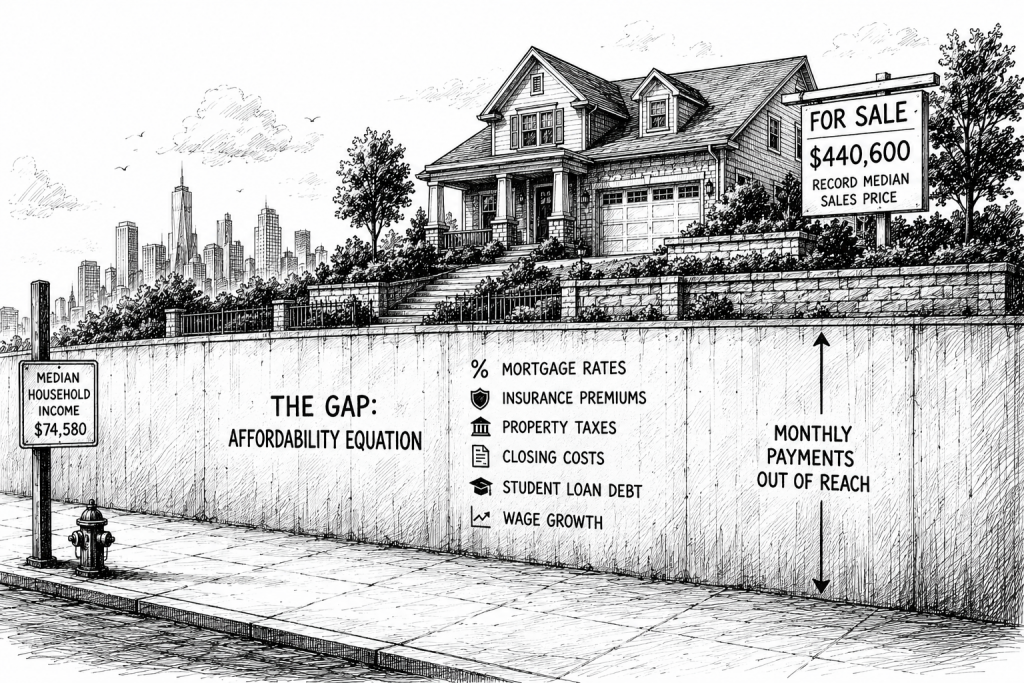
When the Associated Press reported that existing-home sales fell 2.4% in June while the national median sales price climbed to a record $440,600, it captured a housing market sending two signals simultaneously: activity is slowing, and prices are not. For households hoping that a cooler market would finally open a path to ownership, the data is clarifying. Slower does not mean more accessible.
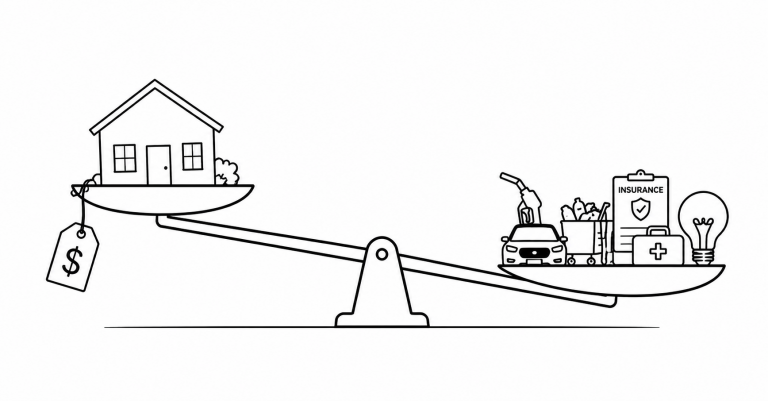
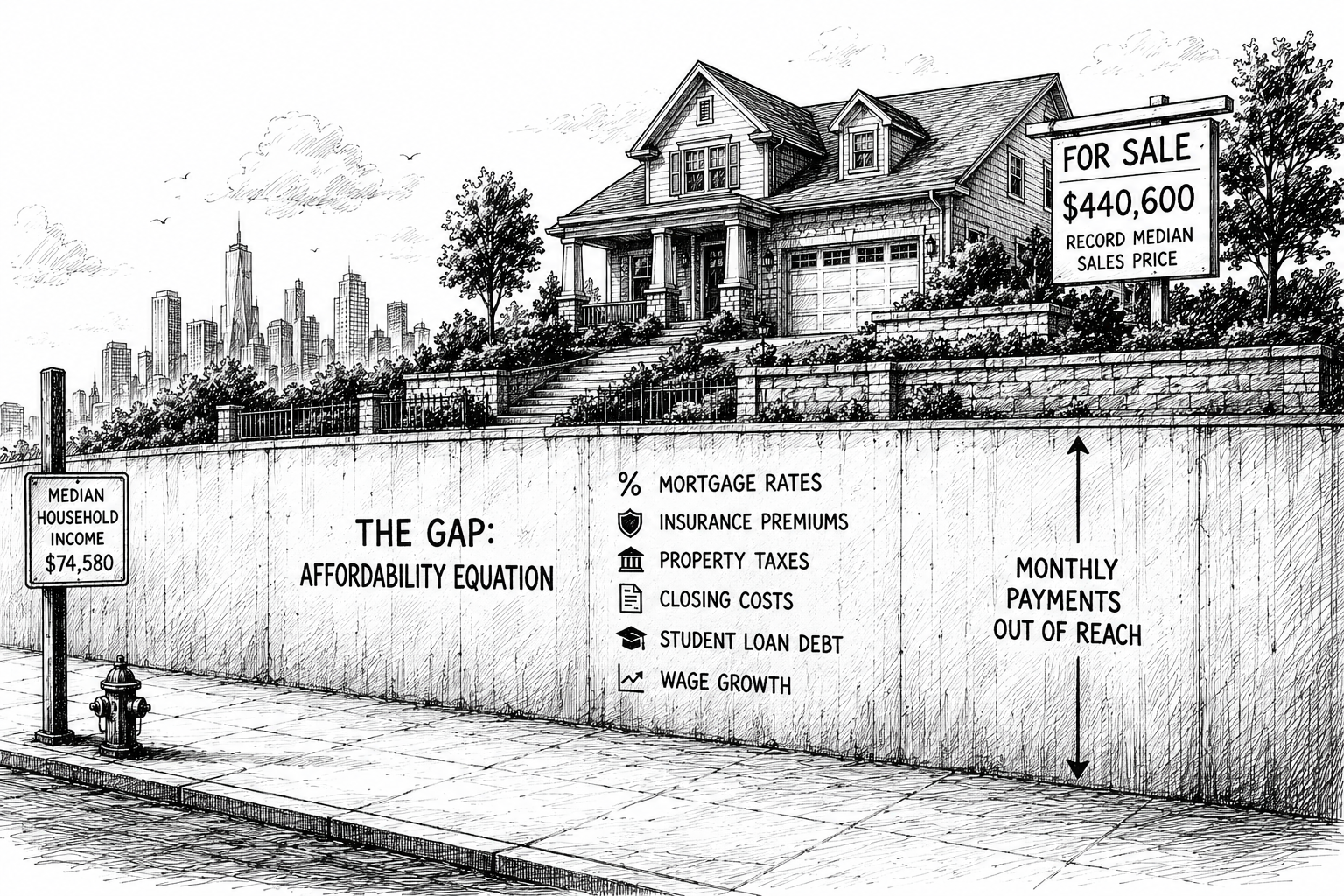
The national conversation about housing affordability has treated price as the primary variable for years. If prices stopped rising — or began to fall — the assumption was that buyers would regain their footing. That assumption misses how fundamentally the economics of homeownership have changed. Today’s buyers are not navigating a price problem alone. They are navigating an affordability equation built from mortgage rates, insurance premiums, property taxes, closing costs, and the monthly payments that accompany all of them. A modest decline in sales activity does nothing to change that equation if the underlying costs remain elevated.
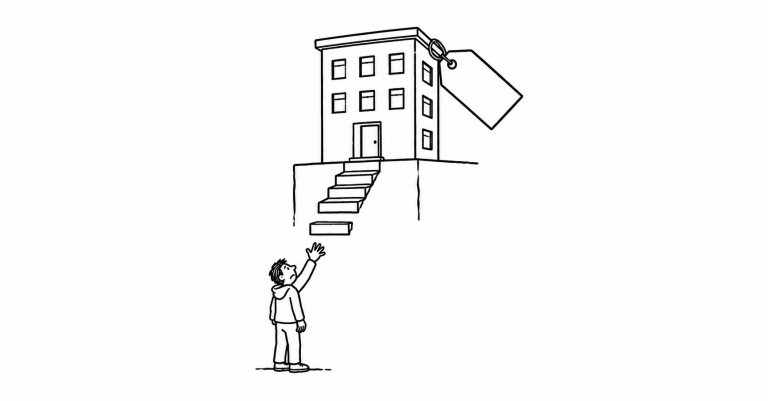
This is the specific reason a slower housing market can still feel closed. Sellers may receive fewer offers. Listings may spend more time on the market. Bidding wars may become less common. And yet households remain priced out — not because the list price is unaffordable, but because the financing cost of carrying it is. A home that was within reach when borrowing costs were historically low sits beyond the same family’s budget once higher interest rates are factored into the monthly payment. The price did not move enough to absorb the rate.
The lock-in effect compounds the problem on the supply side. Homeowners who secured low mortgage rates several years ago are insulated from today’s financing pressures and reluctant to sell — because selling means trading an inexpensive mortgage for one carrying a significantly higher rate. That reluctance limits the supply of existing homes, reduces choices for first-time buyers, and reinforces the scarcity that continues to support higher prices. The market rewards those who already own while making entry harder for those who do not. That dynamic does not correct itself when volume declines. It persists.
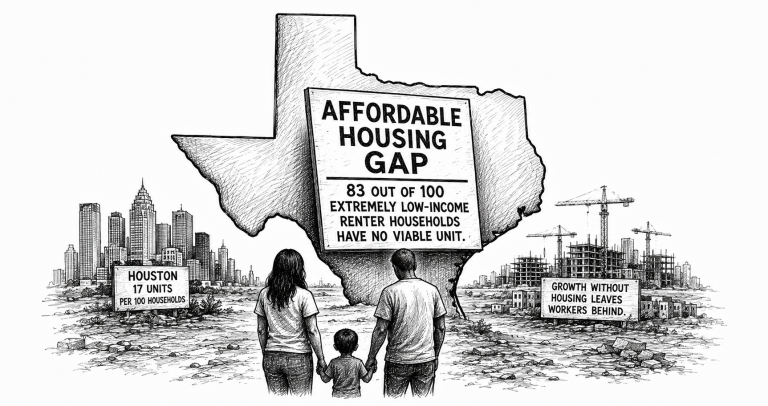
The broader consequence reaches past individual buyers. Communities struggle to attract teachers, nurses, first responders, and young professionals when the cost of a home rises faster than the wages those jobs pay. Housing affordability has become an economic development constraint because where workers can afford to live now shapes where businesses can expand and where families decide to put down roots.
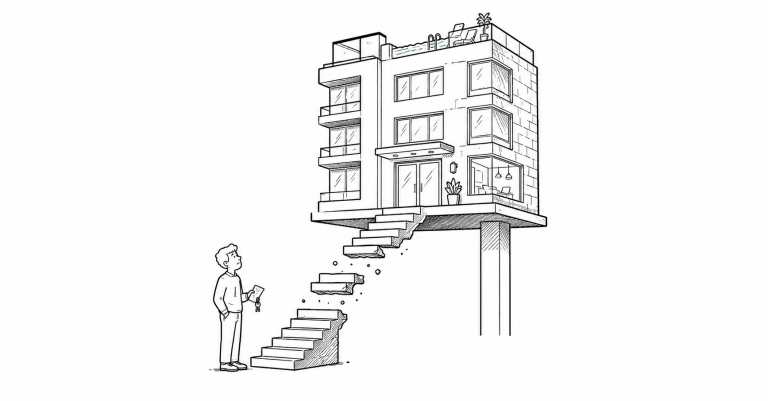
The structural reality is that housing has become an access system rather than a simple market. Price is still an important variable, but it is no longer the only gatekeeper. Credit conditions, insurance markets, construction costs, zoning policy, land availability, and interest rates all determine whether a household can realistically move from renting to owning. Watching whether prices rise or fall while those other variables remain locked in place will keep missing the larger shift.
The latest housing data tells two stories. One is about a market adjusting to higher borrowing costs. The other is about a market that has grown structurally less permeable — one where the barrier to entry is now a combination of forces that a price decline alone cannot resolve. Until those barriers move together, a slower housing market offers little to the households still on the outside of it.