South Korea’s Metal Workers Are Trying to Bargain Before Robots Make the Bargain Smaller.
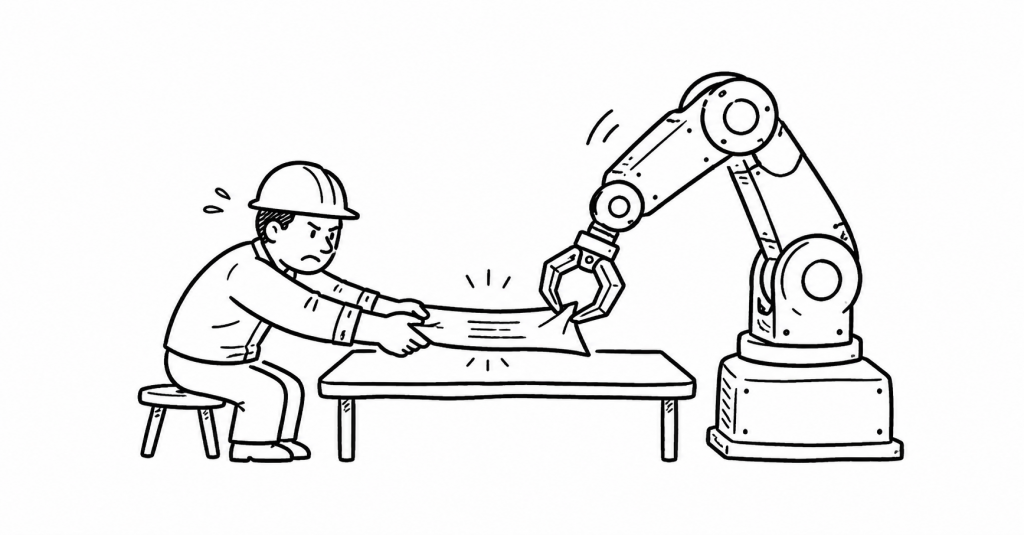
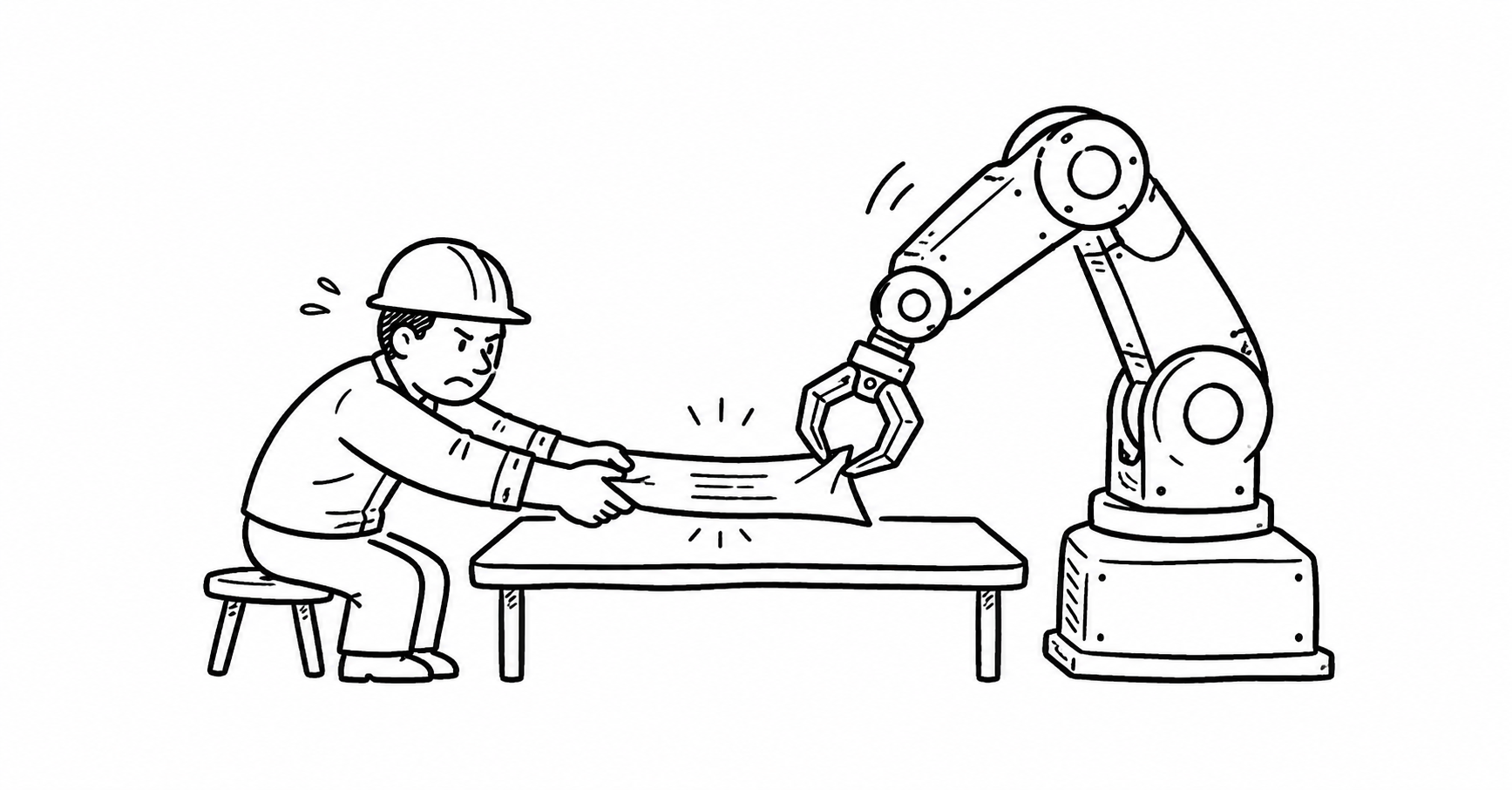
Korea has the highest density of industrial robots in the world, and its largest industrial union just said the bargaining process around adding more of them has broken down. South Korea runs roughly 1,000 to 1,200 industrial robots per 10,000 manufacturing workers, according to the International Federation of Robotics, and the Korean Metal Workers’ Union represents the workers standing closest to that number. The Korea Times reported that union head Park Sang-man said the problem isn’t automation itself: “We are not against technology,” he told the outlet, noting that previous waves of automation were introduced through plant-level negotiations and joint safety measures.
What’s changed, Park argued, is that companies are trying to bypass that tradition. “The problem now is that companies are trying to bypass that tradition by pushing AI projects and restructuring unilaterally, and then labeling any criticism as anti-technology,” he said. His proposed alternative reframes the fight entirely: if AI and robots have to come in, he said they should be focused first on the most dangerous tasks, such as underwater work in shipyards or firefighting, rather than the tasks where the largest number of workers are currently employed.
That distinction is the actual labor fight happening inside Korea’s biggest manufacturers right now. At Hyundai and Kia, both unions are pushing 2026 collective bargaining language that would shift the company’s obligation from notifying the union when new technology is introduced to requiring the union’s consent first, alongside demands for guaranteed full employment when robots are deployed. The Hyundai Motor Union has separately said its humanoid robot, Atlas, will not be deployed at all without a labor-management agreement.
Korea’s manufacturing unions still have leverage other workers elsewhere in the world don’t: dense union membership, plant-level bargaining power, and now a revised labor law that strengthens subcontractor unions’ standing to negotiate directly with primary contractors. Whether that leverage actually slows automation, or simply changes who gets blamed when it doesn’t, is the test playing out in this year’s bargaining round.