Tokyo Inflation Is Moving From Energy Shock to Household Pressure
Energy shocks become political when they pass through the utility bill and settle into food, wages, and expectations.
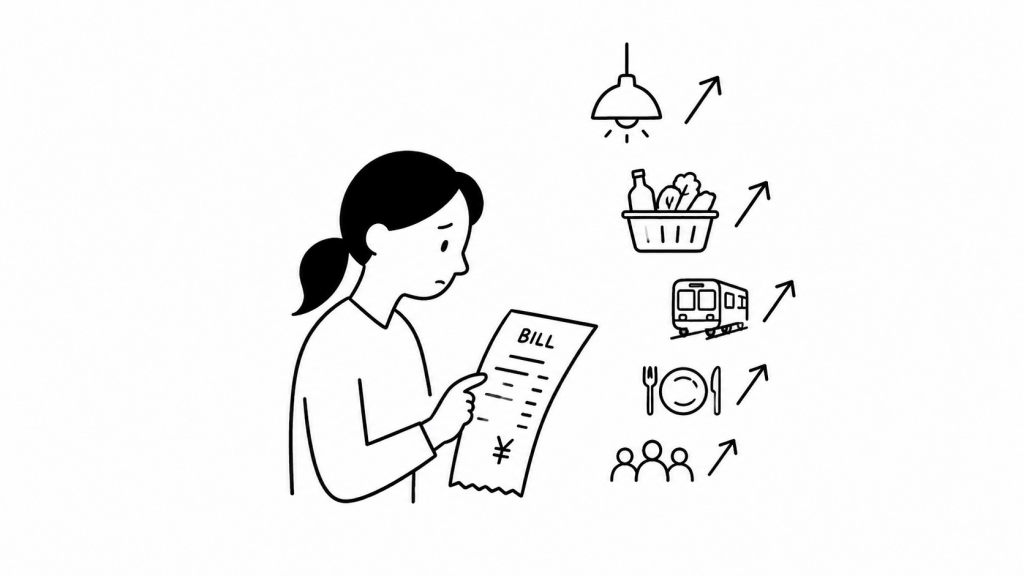
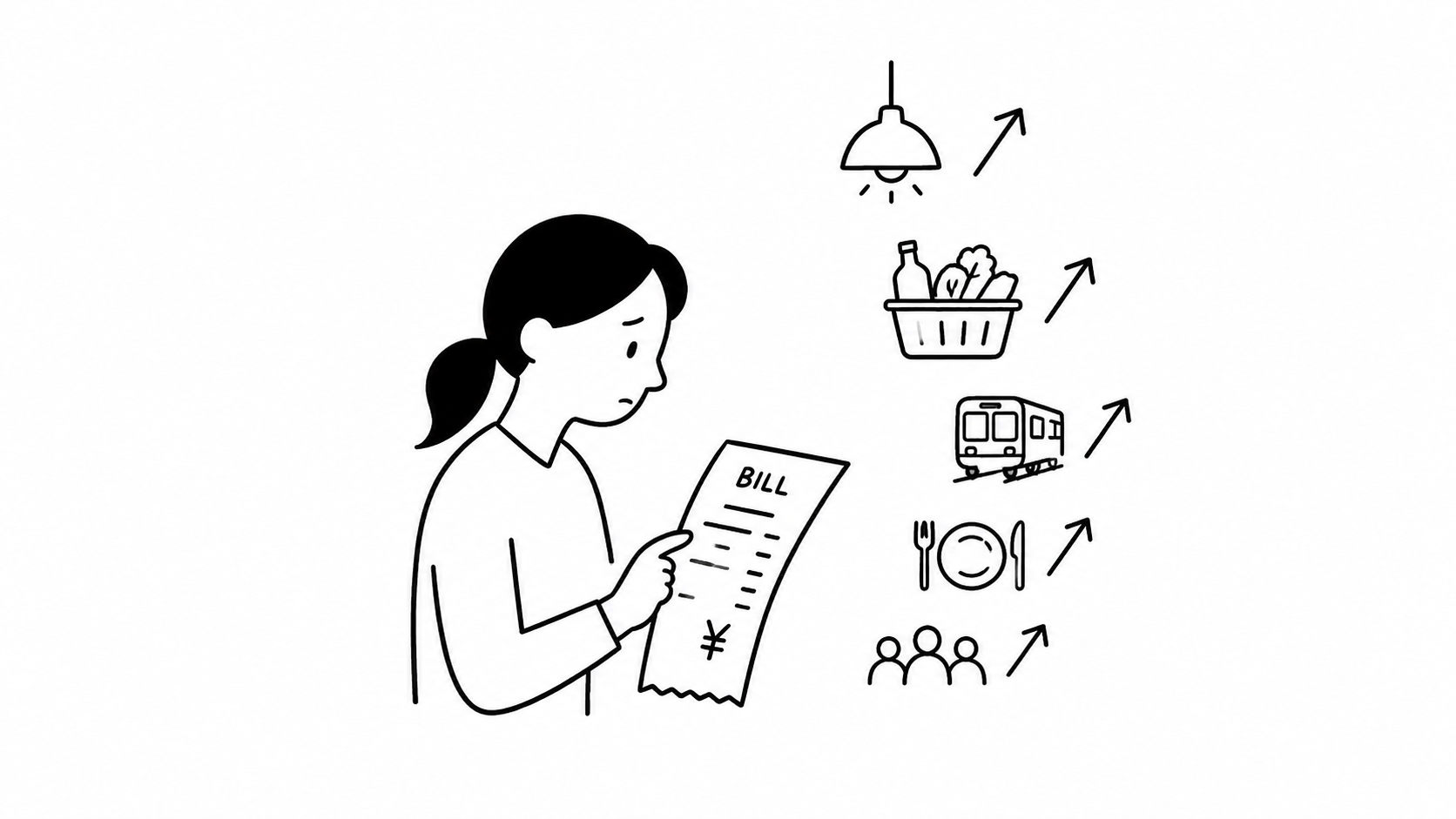
Reuters reporters Leika Kihara and Makiko Yamazaki reported on June 25 that Tokyo’s core inflation accelerated to 1.6% year over year in June, up from 1.3% in May. A narrower index excluding both fresh food and fuel rose 1.9%, suggesting price pressure is spreading beyond the original energy shock into goods and services that households encounter more directly.
The narrower measure is the one that matters for daily life. Energy prices can be described as external and temporary while they remain concentrated in fuel. Once costs migrate into utilities, groceries, services, and wages, households stop treating inflation as a news story and start treating it as a budget condition. The 1.9% figure is below the Bank of Japan’s target, but it is moving in the direction that turns a macroeconomic phenomenon into a political one.
Japan’s households spent decades in a low-inflation environment where price stability shaped spending habits, savings behavior, and expectations about the future. Even modest increases can feel disproportionate when they arrive against that baseline. A household does not compare this month’s grocery bill to an economics textbook. It compares it to what the same groceries cost last year and the year before that. In a society calibrated to stable prices, a persistent drift upward registers as a breach of the expected relationship between work and purchasing power.
The Bank of Japan is navigating a narrow path. The institution has spent years trying to generate the kind of sustained inflation that would support wage growth and end deflationary psychology. Now that inflation is arriving, the pressure is to ensure it resolves into real wage gains rather than a squeeze on living standards. If wages lag behind the narrower inflation measure, households absorb the difference through reduced spending, depleted savings, or deferred purchases — which undermines the domestic demand growth that was supposed to make reflation durable.
That tension produces a political problem that monetary policy cannot fully manage. Central banks set interest rate targets. They do not control what happens to specific food prices, utility rates, or service costs as those pressures spread through the supply chain. Once inflation moves from the commodity chart into the household routine, it becomes a story about fairness, purchasing power, and whether the economy is delivering for ordinary workers — and those questions do not resolve with a rate decision.
Tokyo’s inflation trajectory over the next two quarters will matter more as a signal about wage dynamics than as a standalone price number. If core inflation keeps broadening and real wages do not follow, Japan will have imported a cost-of-living problem while trying to exit a deflation problem. The two outcomes can coexist, and the households absorbing the gap will not experience either as a technical success.