New York’s Rent Freeze Turns Affordability Into a Governance Test
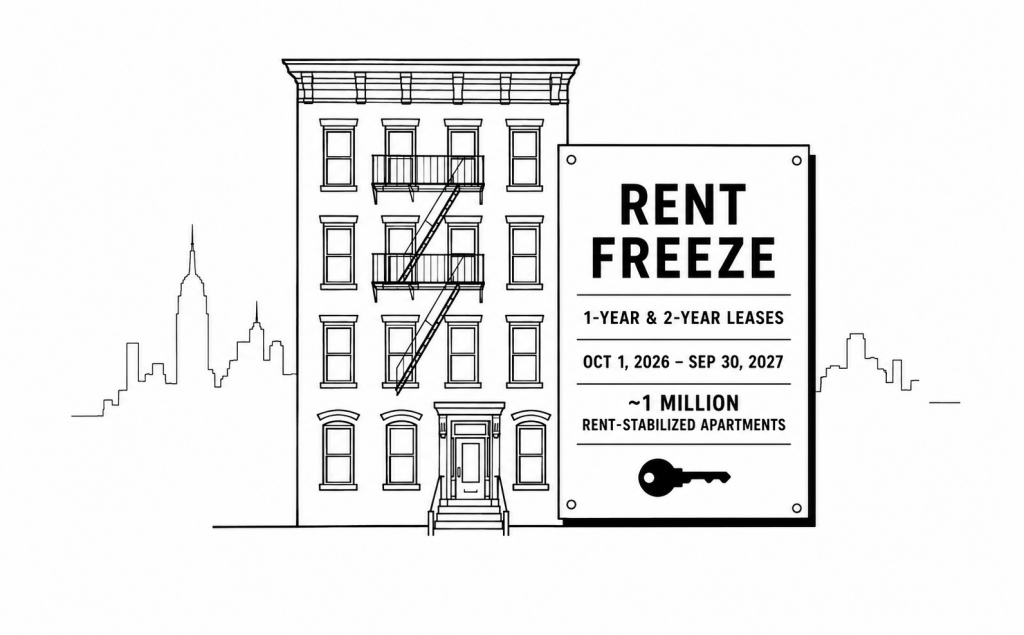
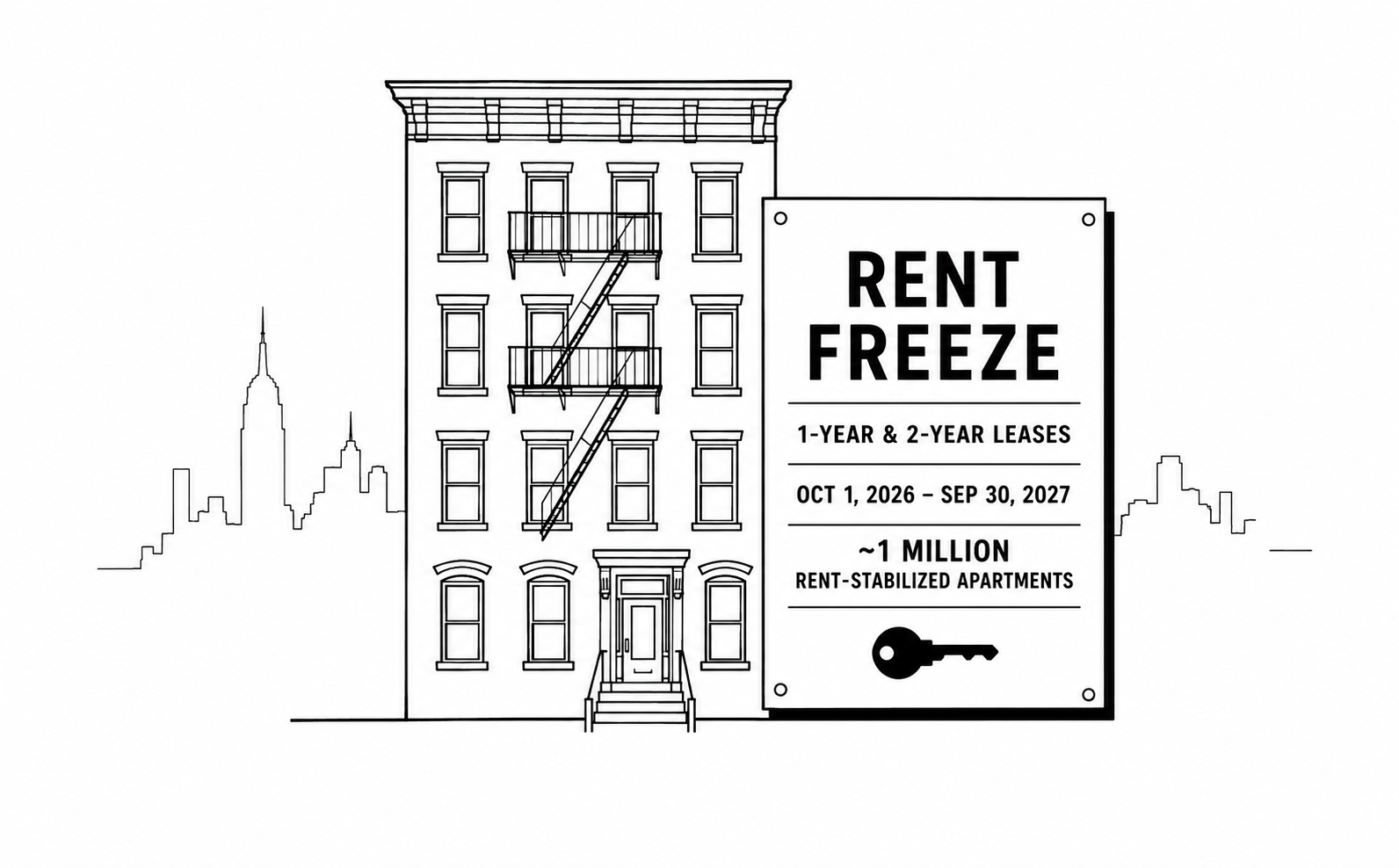
Anthony Izaguirre reported for the Associated Press on June 26 that New York City’s Rent Guidelines Board approved a rent freeze covering both one-year and two-year leases for approximately one million rent-stabilized apartments. The vote was 7-1. The freeze applies to new leases beginning between October 1, 2026, and September 30, 2027, and marks the first two-year rent freeze in the board’s history.
The mechanism that produced this outcome is mayoral appointment. Mayor Zohran Mamdani, six months into his term, had named six of the board’s nine members. The rent freeze was his central campaign promise — repeated, Izaguirre noted, with near-monomaniacal consistency through ads, speeches, and rallies. The board’s composition made the outcome predictable enough that a landlord representative resigned in protest before the vote, saying the decision had been made on the campaign trail and that the hearings, public comments, and data process that followed were theater.
Board chair Chantella Mitchell disputed that characterization. But the resignation itself names the structural reality: when a mayor appoints a majority of an independent regulatory board, the independence of that board depends on the appointees making decisions that diverge from mayoral preference. That is unlikely after a campaign built around a single, specific numerical promise.
The freeze covers rent-stabilized apartments, which represent about 27% of New York City’s overall housing stock and house approximately two million people. During Mayor Eric Adams’ four years in office, the board approved cumulative rent increases of about 12% on one-year leases. A report from anti-poverty group Robin Hood found that rent regulation kept roughly 140,000 New Yorkers from slipping below the poverty line.
Landlord groups say the freeze will force owners to defer maintenance, accelerate deterioration, and potentially produce foreclosures in a city already unprepared to manage them. Kenny Burgos, CEO of the New York Apartment Association, said the decision would result in more dilapidated housing. A legal challenge is expected.
Power moved toward tenants through mayoral control of a board with direct authority over rent-stabilized increases. Whether that power transfer holds depends on whether the legal challenge succeeds, whether landlords follow through on deferred maintenance warnings, and whether the housing stock that the freeze is meant to preserve remains in condition to house the people depending on it. Mamdani turned affordability into a governance test. The board passed it. The infrastructure test — what stabilized housing actually looks like in five years under a freeze — has not started yet.