Netflix is facing slower engagement growth and fierce competition from YouTube. Behind the streaming industry’s financial math is another measure of success: whether the people who write, film, build and produce entertainment can still make a living doing it.
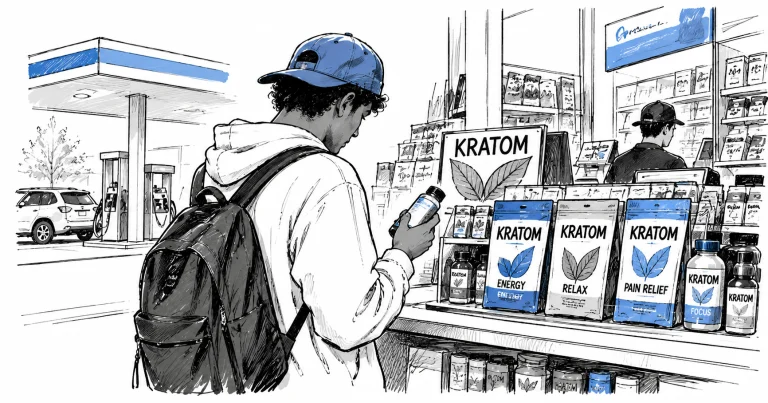
Marketed for energy, pain relief and relaxation, kratom products have become familiar convenience-store purchases. But a growing number of deaths involving concentrated derivatives is exposing a dangerous gap between what consumers see on the packaging and what they may actually be taking.
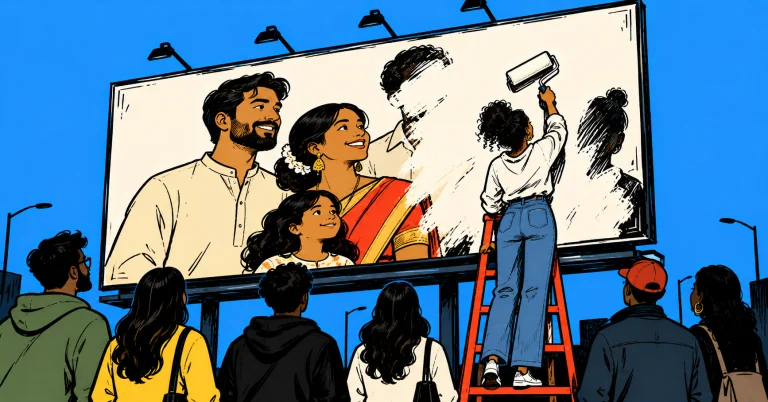
Across India’s advertising industry, campaigns featuring interfaith families, changing gender roles and cultural inclusion have drawn boycotts and public anger. The bigger story may be what happens before those ads ever reach an audience.
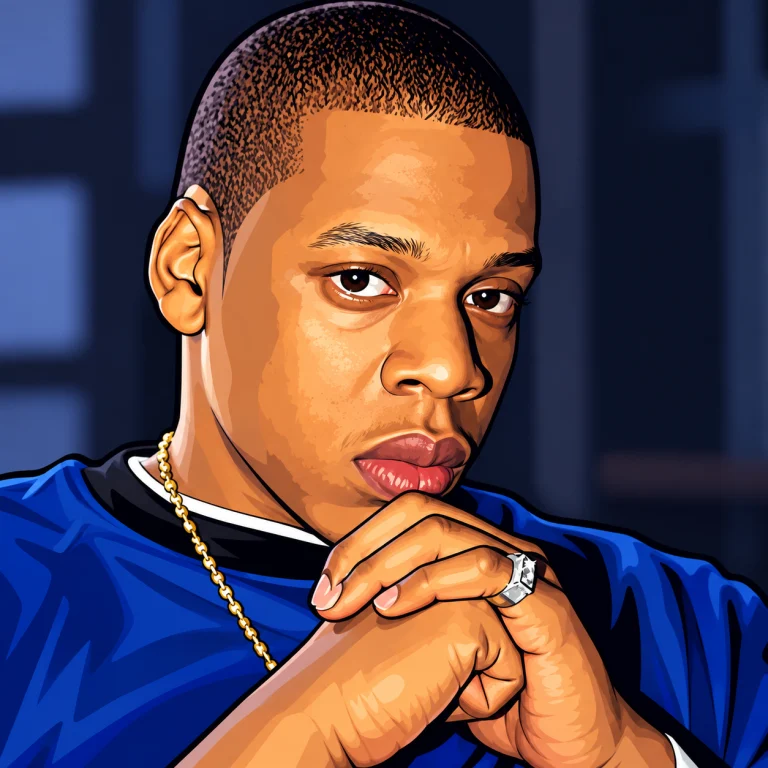
After seven years helping shape the NFL’s biggest musical stage, the Roc Nation founder may finally be stepping onto it himself. The reported decision raises a question worth asking: what happens when the person choosing the talent becomes the talent?
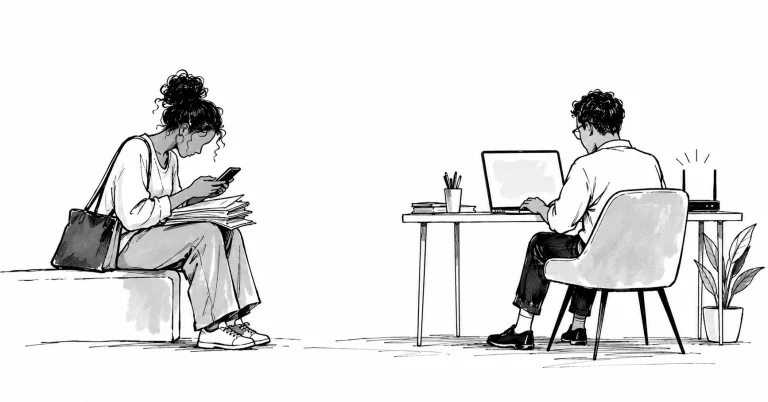
Two people are completing the same kind of online task, but their circumstances could hardly be more different. One woman works from her car, navigating paperwork and a smartphone screen outside a public library. Another person sits comfortably at home with a laptop and reliable broadband. Both are connected, yet their ability to participate in the digital economy is unequal. Pew Research Center reports that 91% of American adults own smartphones, but 16% depend on them without a home broadband subscription. The illustration captures a widening definition of digital inequality: owning technology does not guarantee equal opportunity to use it.
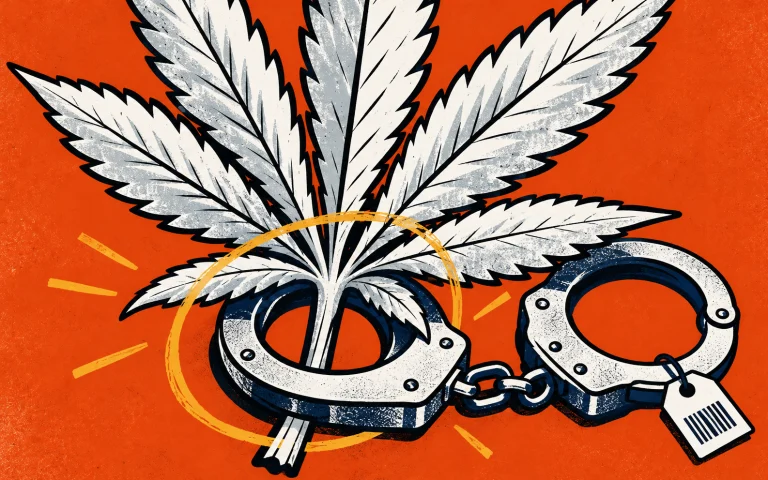
Cannabis is now an accepted commercial product across much of America, yet Texas still criminalizes recreational possession. That contradiction is harder to defend when decades of enforcement data show Black Americans have borne most of the consequences.
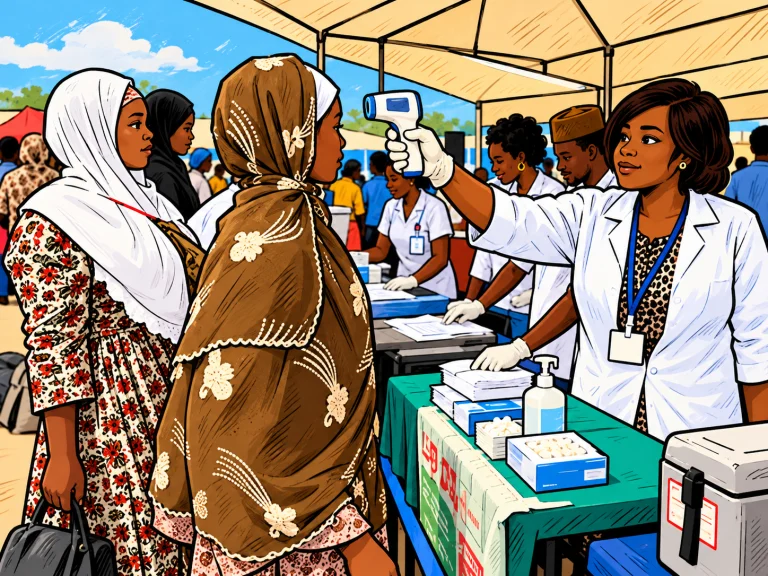
A woman who traveled from Uganda has tested positive in Abuja as the fastest-spreading Ebola outbreak on record moves across Africa. Nigeria’s 2014 response became a global model for containment. This time, it faces a different strain and a more strained economy.
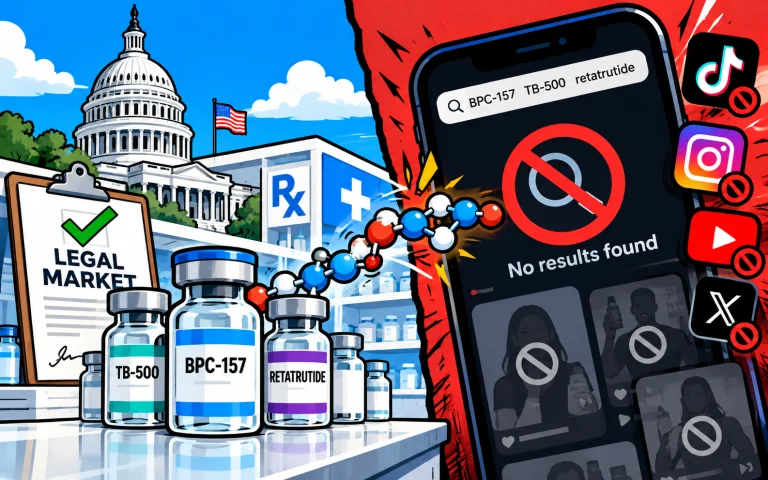
Health Secretary Robert F. Kennedy Jr. says the administration wants a regulated marketplace for peptides that remain unapproved and largely unproven. On the same day, TikTok began blocking searches for some of the most popular ones. The products are moving toward the mainstream before the science or the rules have caught up.
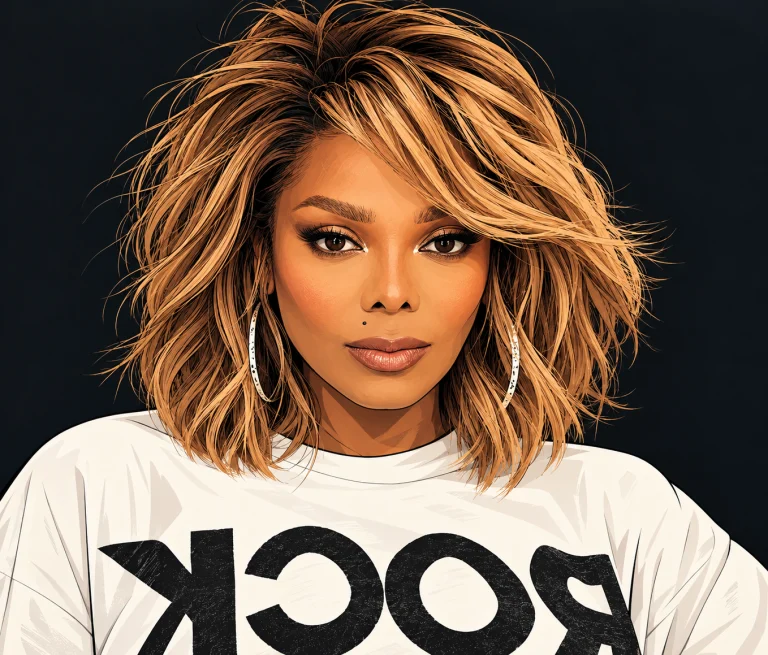
At 60, Janet Jackson continues to draw admiration for her style and presence. But renewed attention to her appearance reveals how Black women in entertainment are still judged by their looks, even when their cultural achievements have reshaped entire industries.
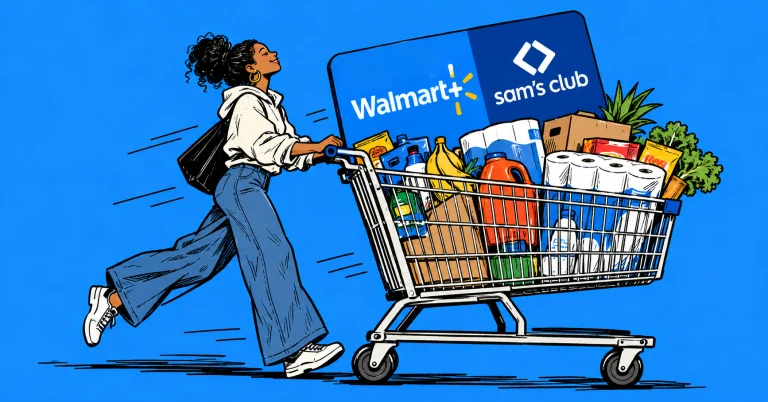
Walmart is combining its delivery service and warehouse club benefits into one annual subscription, offering households a cheaper way to shop across both chains. For the retailer, the opportunity is even bigger: becoming the first place customers turn for nearly everything they buy.
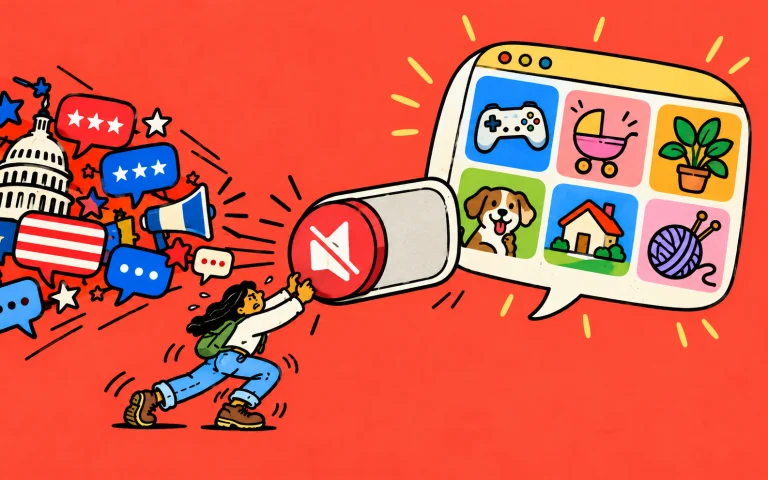
A new Pew Research Center survey finds that politics barely registers in the online spaces people visit most, and a majority want to keep it that way. The places where Americans actually connect are becoming refuges from the political conversation, not extensions of it.
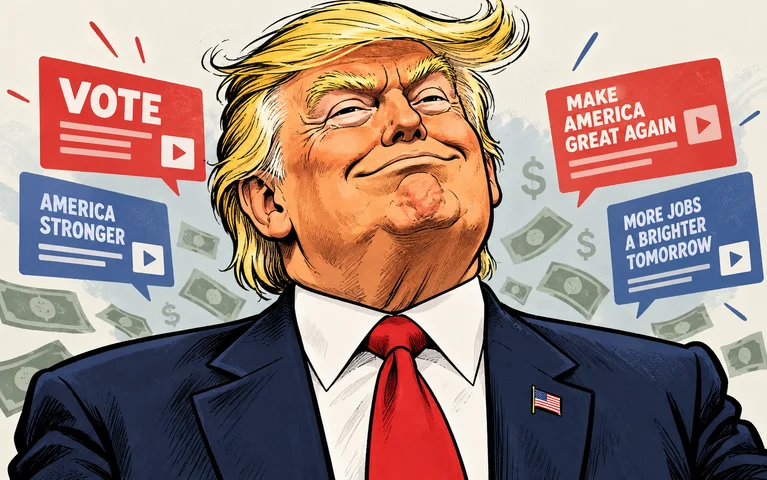
Since September, Donald Trump has appeared far more often in Democratic campaign ads than Republican ones. The gap shows two approaches to the midterms: one party is making Trump central to its argument, while the other is focusing on issues and its own candidates.