The State Department tells Americans not to travel to Haiti for any reason. With Temporary Protected Status gone, the U.S. is sending hundreds of Haitians back to the same violence, and that contradiction demands a better answer.
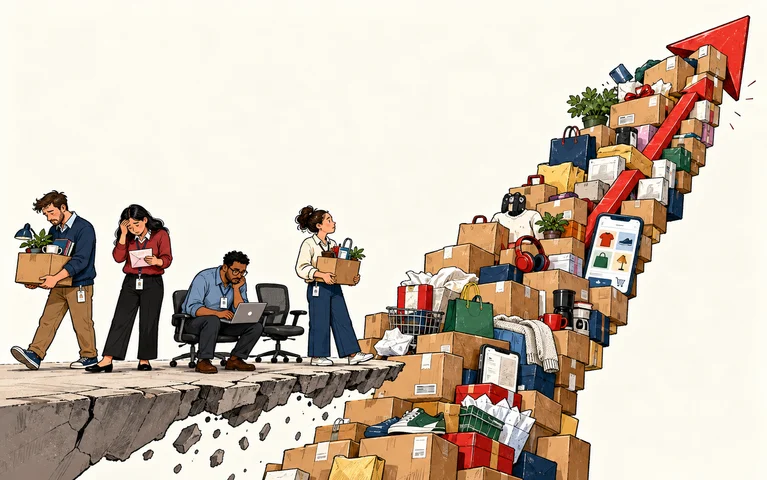
The online marketplace is cutting 9% of its workforce while posting higher revenue, bigger profits and rising investor confidence. Its second round of layoffs this year raises a larger question about what corporate success means for the people who help produce it.
YouTube Music is introducing labels that tell listeners when artificial intelligence helped create a song. A new music startup wants to go further by compensating the artists whose work trains the technology. Together, the developments expose an unresolved problem in the streaming economy: knowing how music was made is not the same as knowing who deserves to profit from it.
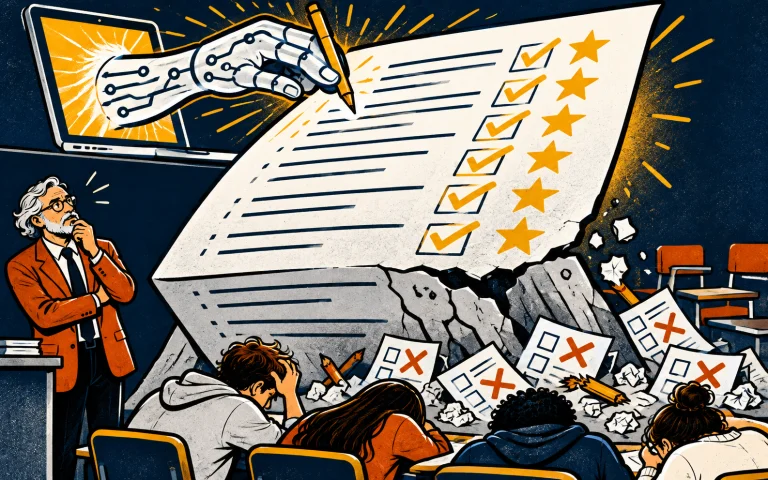
Imagine grading a college exam and discovering that nearly half the students earned perfect scores. For a professor, that might ordinarily be cause for celebration. But at Brown University, economics professor Roberto Serrano became suspicious when 40 students scored 100 on a take-home midterm in his advanced mathematical economics course. Some answers closely resembled responses generated by ChatGPT, prompting concerns about widespread AI-assisted cheating. According to EL PAÍS, Serrano believes at least 50 students cheated. When he required an in-person final exam, the class average plunged from 96 to 48, and 22 students who had previously earned perfect midterm scores did not show up. The results raise troubling questions about how much students are actually learning when artificial intelligence can complete increasingly sophisticated academic work.
In an open letter, Nas said the music industry “forgets or doesn’t compensate the foundation.” From Robert Johnson’s three possible graves to Big Mama Thornton’s $500 for “Hound Dog,” the record supports his point.
The justices left in place a lower-court order that keeps hormone therapy and other gender-related care going in federal prisons, with Justices Alito and Thomas saying they would have let the administration’s restrictions take effect.
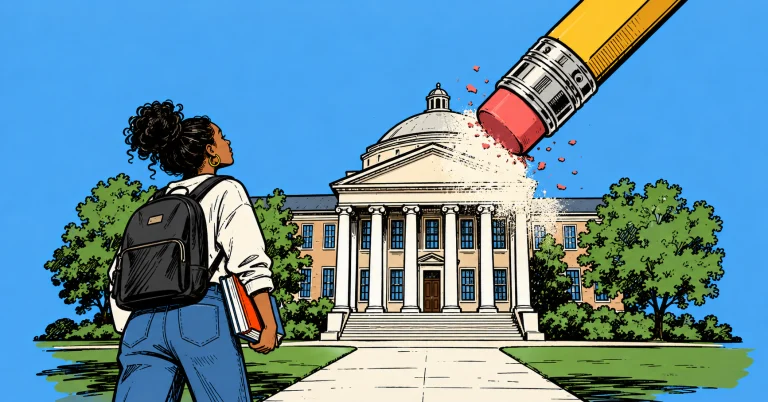
The University of North Carolina at Chapel Hill keeps its access to federal funding after resolving a series of civil rights investigations. But the agreement imposes new limits on admissions, scholarships and campus programs, offering a clearer picture of how federal enforcement is changing higher education.
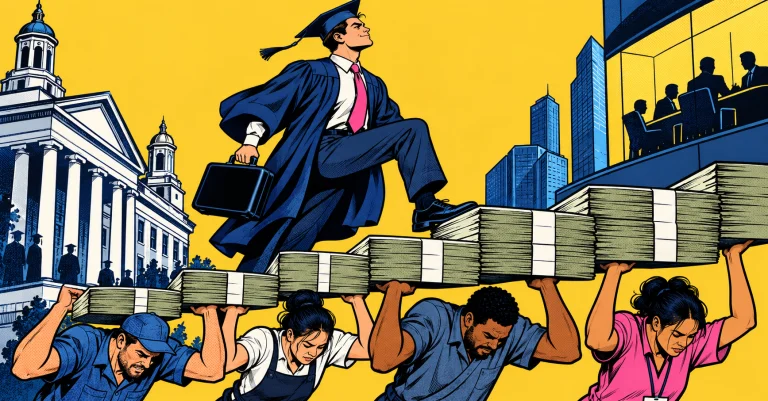
In a New York Times op-ed, Cambridge professor Chris Marquis argues that MBA programs train managers to put shareholders first and can’t be fixed. His critics say he goes too far. The real question is who pays for the way business leaders are taught to think.
Social media has helped turn an exaggerated hourglass figure into a coveted beauty standard. Behind the transformation videos is a surgical procedure with potentially fatal risks—and a growing industry selling the results.
New Pew Research Center findings show broad confidence in election administration ahead of the November midterms. But Democrats and Republicans are increasingly worried about different threats, and trust in mail voting is declining.