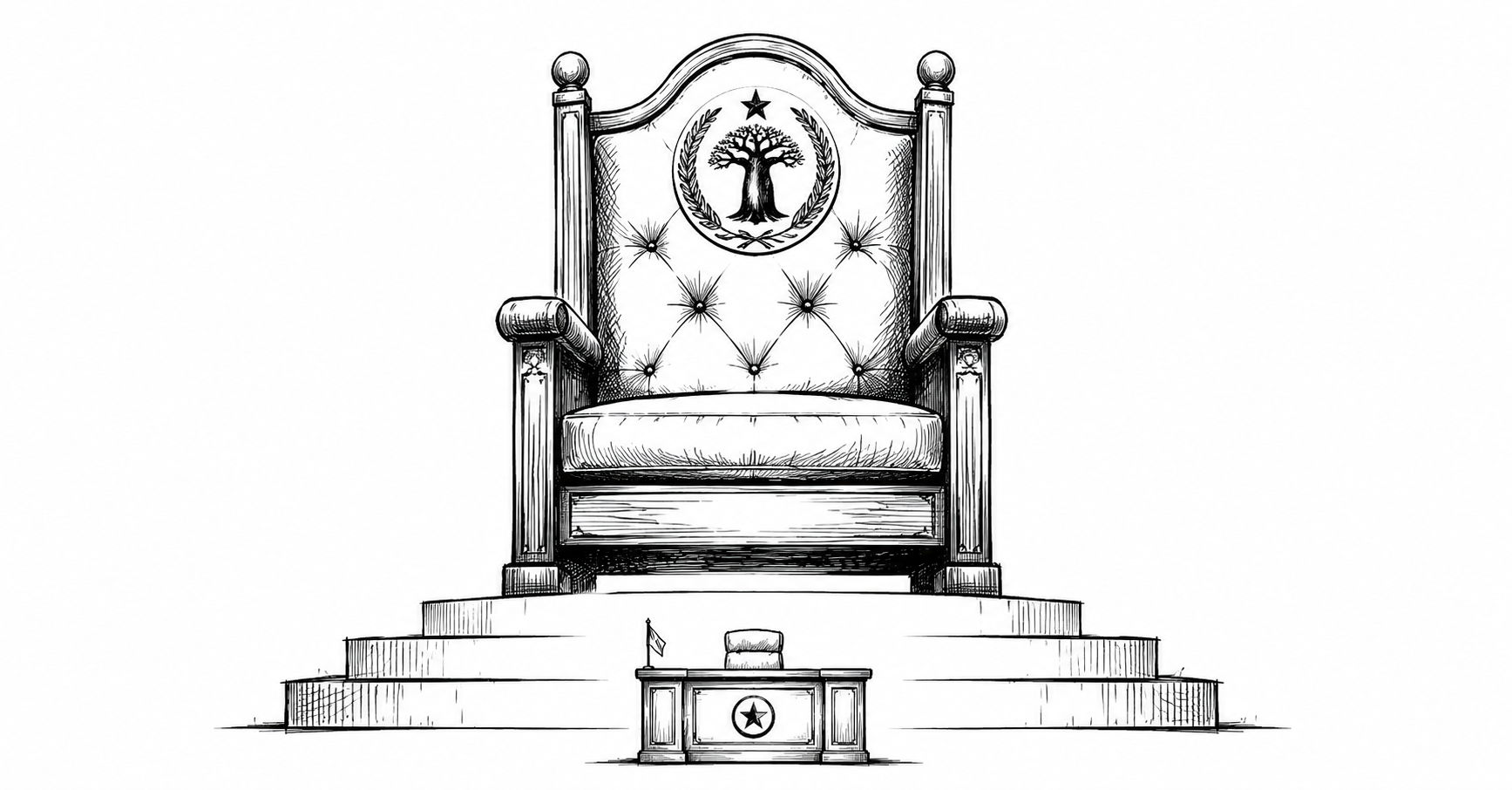
Senegal’s Constitutional Court Retreats, Cementing Sonko’s Hold on Power and Signaling Judicial Limits in Crisis
Senegal’s Constitutional Council declared itself without jurisdiction on June 17, 2026, declining to hear a challenge brought by 18 opposition lawmakers who sought to block Ousmane Sonko’s reinstatement to the National Assembly. Africanews, reporting on the council’s decision, noted that the ruling is final and no further legal recourse is available to the opposition.
The council found that Sonko’s return to parliament — after President Bassirou Diomaye Faye fired him as prime minister on May 22 — was neither a national election matter nor directly related to the 2024 vote. Internal governance of an elected chamber, the council ruled, falls outside its constitutional review.
What the ruling clarifies is how thoroughly Pastef now controls the institutional architecture of Senegalese governance. The party holds 130 of 165 seats in the National Assembly. When Faye fired Sonko and dissolved his government, the Assembly’s Bureau reinstated Sonko as a member under applicable legal provisions. The chamber then elected him speaker with 132 votes in favor, one abstention, and no votes against — opposition members had walked out in protest rather than vote. In June, Sonko was re-elected as Pastef party leader with 589 of 598 votes.
Sonko has been direct about what the speaker position means for the executive. He told RFI and France 24 in June that there is no blank cheque for the president or the new government. Pastef controls the assembly that can censure the executive. Sonko controls Pastef. The two most powerful figures in Senegalese politics belong to the same party and are now institutionally positioned against each other — Faye as president pursuing economic reform, Sonko as speaker controlling the legislature that can block it.
Faye owes his presidency largely to Sonko, who was barred from the 2024 presidential race by a defamation conviction. The rift between them reportedly emerged from disagreements over how Senegal should manage its public debt and the pace of institutional change. Those disagreements are now structural. Sonko holds a platform, a party majority, and a chamber. Faye holds the presidency. The Constitutional Council, in declining jurisdiction, left that configuration unchecked by judicial review.
Power moved from the executive branch toward the legislature. When courts narrow their jurisdiction under conditions of concentrated legislative dominance, the practical result is to leave that dominance without an institutional check. What happens next in Senegal will be determined by whether Pastef’s legislative majority functions as a governing partner or a governing constraint on the president it helped elect.