The Housing Crisis Isn’t a Supply Problem. It’s an Inequality Problem. Two New Studies Say So.
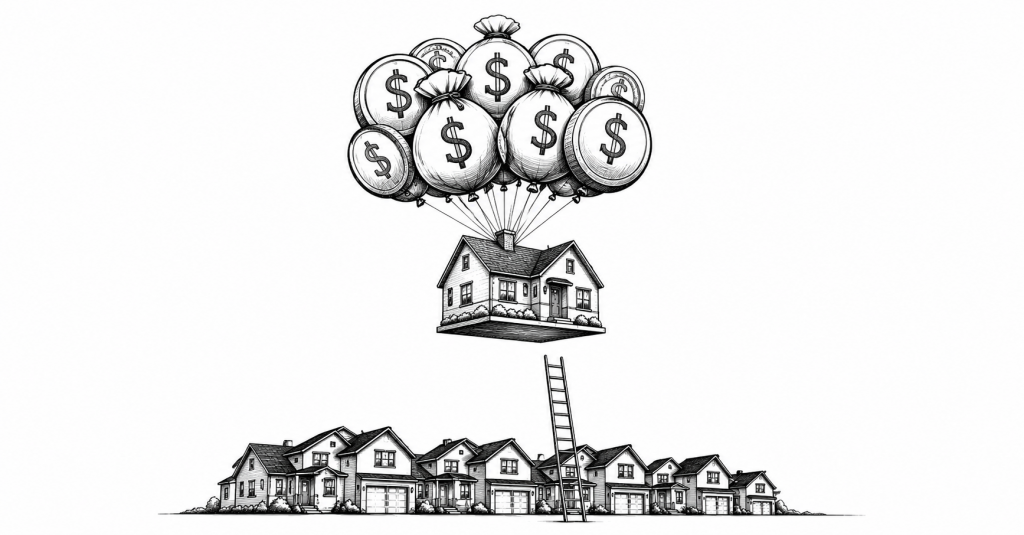
The dominant policy argument for fixing American housing is supply. Build more units. Loosen zoning restrictions. Allow density. Let the market respond to demand. The argument has shaped legislation at the federal level, driven ballot measures in dozens of cities, and organized one of the most influential housing advocacy movements in recent years under the banner of YIMBY — Yes In My Back Yard. It is also, according to two new research papers published in early 2026, solving the wrong problem.
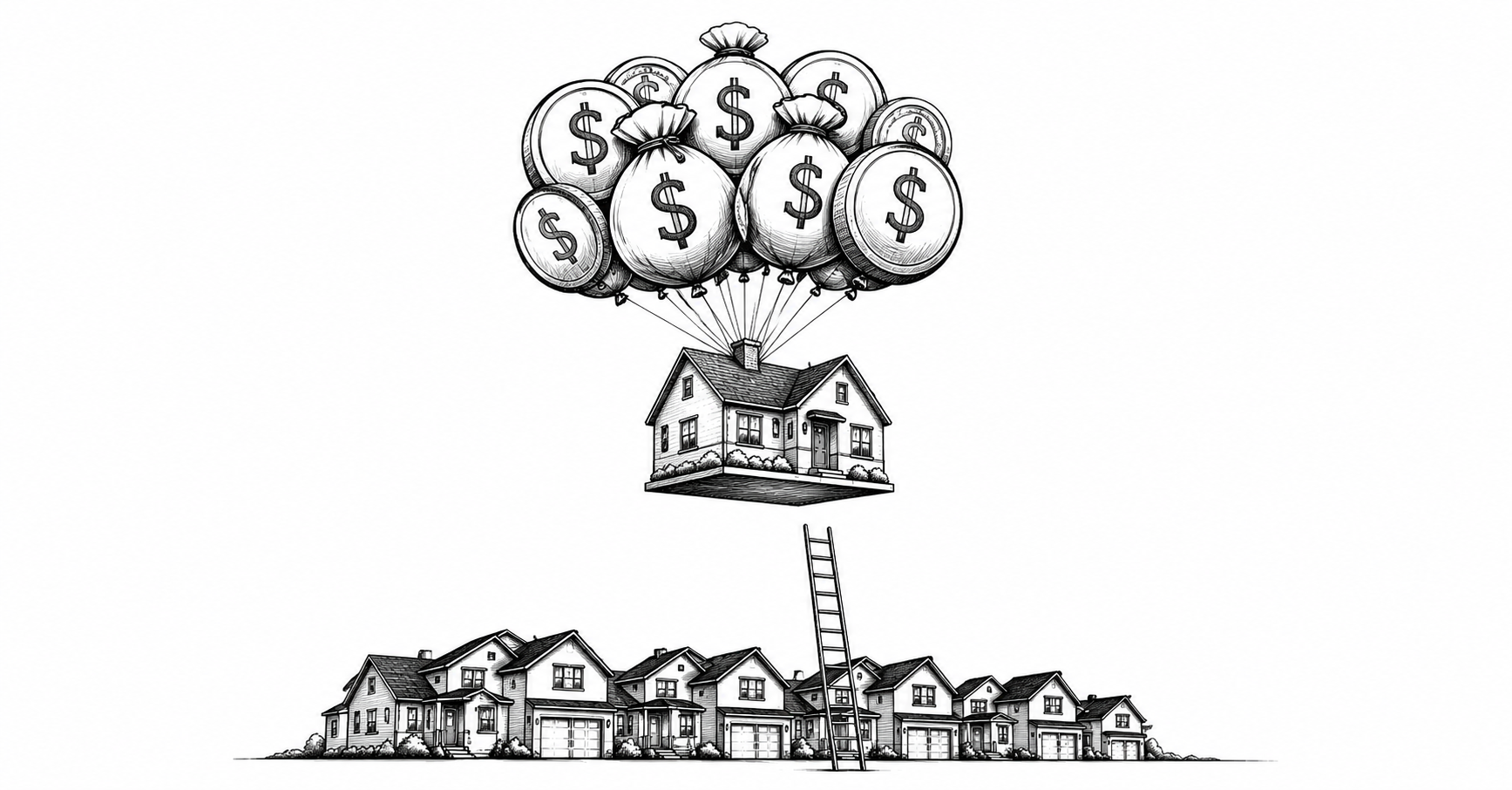
The first study, produced by a research team led by Schulyer Louie, a doctoral student at the University of California Irvine, and published as an economic letter through the Federal Reserve Bank of San Francisco, examined housing prices and supply levels across American cities from 2000 to 2020. The finding was direct: cities across the country built housing faster than their populations grew, and home prices rose anyway. San Francisco, one of the most expensive markets in the country and a frequent case study for supply-shortage arguments, built more housing than its population growth required during this period and still saw prices climb. The reason, the researchers concluded, is that housing prices track average incomes, not median incomes. When income growth is concentrated at the top of the distribution, high earners bid prices up regardless of how much supply enters the market. The affordability problem is not that there are too few homes. It is that the people buying them are too unequal.
The second study, co-authored by UCLA Luskin Urban Planning Professor Michael Storper and published in early 2026, reached a parallel conclusion. Inequality, not regulation, drives America’s housing affordability crisis is the paper’s title and its argument. Storper and his co-authors analyzed cities with different zoning environments, including Houston, which has no zoning, and Cleveland, which has lost more than 100,000 residents since 1970, and found that housing prices in both markets tracked average income levels closely despite their vastly different regulatory environments. The simulation the researchers ran for the San Francisco Bay Area found that even under optimistic assumptions, supply increases at currently unrealistic scales could take up to 100 years to make rents affordable for workers without an advanced degree. Their conclusion was unambiguous: it is unrealistic to think that the country can build its way out of the affordability crisis with market-rate housing, even with significant positive supply shocks, in any reasonable time frame.
Taken together, the two papers challenge not just a policy preference but a political coalition. YIMBY organizing has drawn support across the ideological spectrum, bringing together libertarians who oppose government land-use restrictions, progressives who want to open exclusionary suburbs, and developers who benefit from both. The supply argument is also structurally convenient for anyone who wants to address housing costs without touching wealth distribution, tax policy, or the investment incentives that have turned residential real estate into a dominant asset class. Storper and his co-authors recommend what they describe as bold, comprehensive thinking about housing systems rather than relying on trickle-down affordability, including direct approaches such as publicly funded vouchers and market protections. Those interventions require confronting inequality directly rather than routing around it.
The data in the background is worth noting. The national rental vacancy rate rose from 5.6 percent in early 2022 to 7.3 percent in the first quarter of 2026, according to Census Bureau data cited by the Center on Budget and Policy Priorities. Supply has loosened. Affordability has not followed proportionally. Meanwhile, Harvard’s Joint Center for Housing Studies reported this month that construction starts slipped one percent over the past year, with single-family starts down seven percent. The market is building less and housing is not getting materially more affordable for median-income Americans. That combination is what the supply argument predicts should not be happening.
What these studies suggest is that the policy response to housing costs needs to be redesigned around a different diagnosis. If the driver of unaffordability is that high earners are outbidding everyone else regardless of supply, then the solution requires either limiting that bidding power, subsidizing access for people below it, or both. Building more market-rate housing may increase density, reduce commute times, lower carbon emissions, and serve people who already have competitive incomes. It does not, on its own, solve the structural inequality that makes housing unaffordable for the people most in need of relief. Two research teams, working independently, just said so in the same quarter. The argument is no longer on the margins.