PlaqueBoyMax’s Latest Backlash Isn’t Just About Twerking. It’s About the Internet’s New Version of Masculinity.
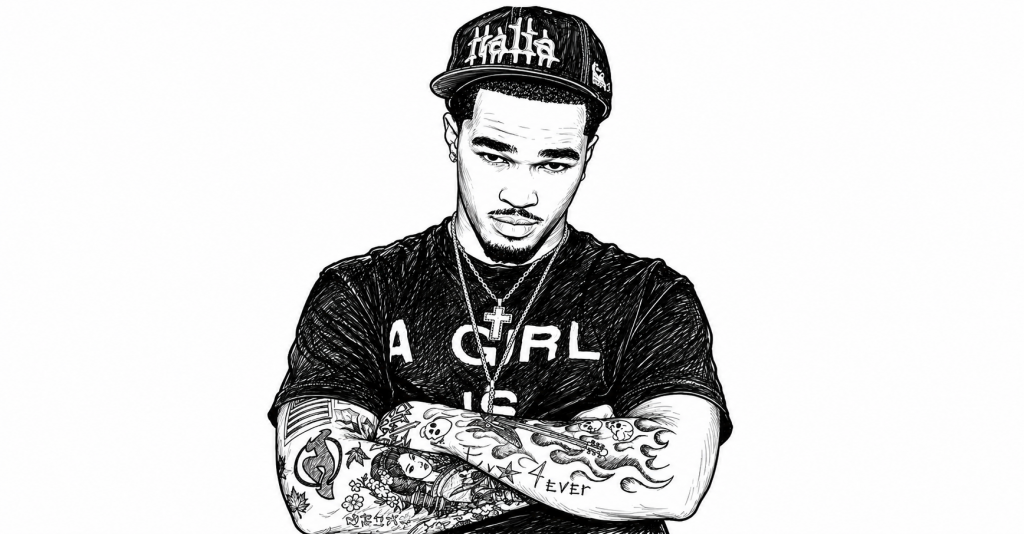
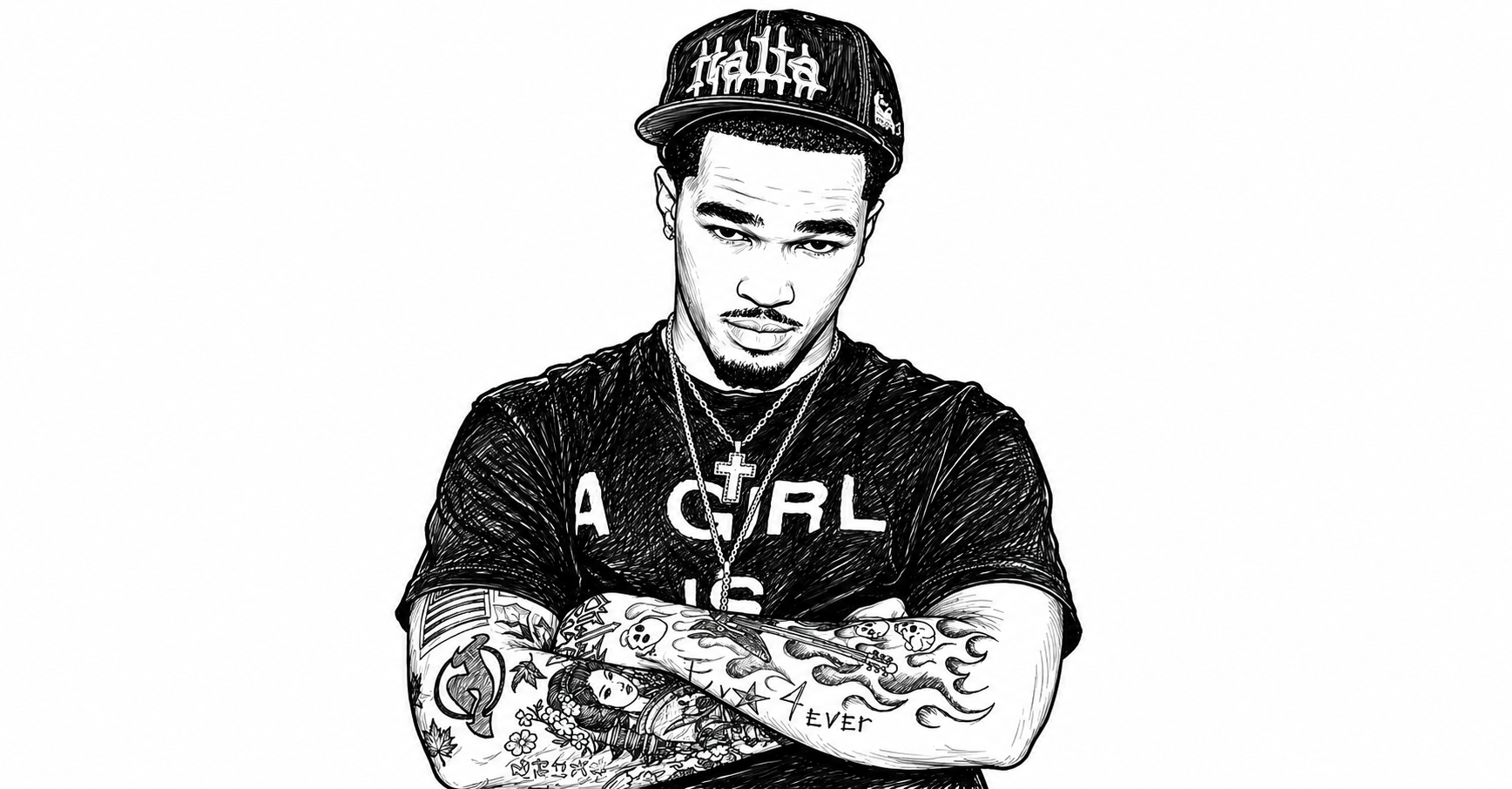
Clips of content creator PlaqueBoyMax circulated online showing him wearing wigs during streams and arguing that men should be able to twerk. The reaction was immediate, large, and divided along predictable lines: one portion of his audience treated the clips as a betrayal of masculine norms, another treated the outrage as confirmation of how narrowly those norms are being policed online.
The controversy is not about whether PlaqueBoyMax should wear wigs. It is about why those gestures produce controversy at all — and why the platforms that host creator culture are structured to amplify that controversy rather than contain it.
Internet masculinity is a performance category, not a fixed identity. The persona that content creators build on streaming platforms and social media is shaped by what the audience rewards, what the algorithm surfaces, and what generates the kind of engagement — including negative engagement — that keeps a creator’s numbers moving. PlaqueBoyMax built an audience partly through the codes of a specific Black male creator archetype: direct, opinionated, unapologetic. When those codes are disrupted by gestures coded as feminine, the disruption itself becomes content. The outrage is the product.
The platform mechanism is important here. TikTok, YouTube, and Twitter/X reward content that generates strong emotional response regardless of valence. A clip of a male creator in a wig performing femme gestures generates a predictable engagement spike: fans defending it, critics amplifying it, commentators turning the reaction into its own content cycle. The controversy is more valuable to the platform than a consensus would be. Outrage scales.
What makes the PlaqueBoyMax backlash structurally legible is the speed and intensity with which masculinity-adjacent behavior gets policed in Black male creator spaces specifically. The same gestures in other cultural contexts would register differently. In the Black male creator space online, certain performances of gender flexibility trigger organized pushback in ways that have less to do with the individual creator and more to do with what audiences have been trained to expect from that archetype and what violations of it are worth punishing.
Power inside creator culture sits with the audience and the algorithm, not with the creator. A performer can choose to disrupt the persona that made them visible, but the audience that built around that persona retains the ability to punish the disruption through disengagement, criticism, and viral amplification of the conflict. What looks like a controversy about masculinity is also a demonstration of how little control creators have over the image the platform has decided they represent.