
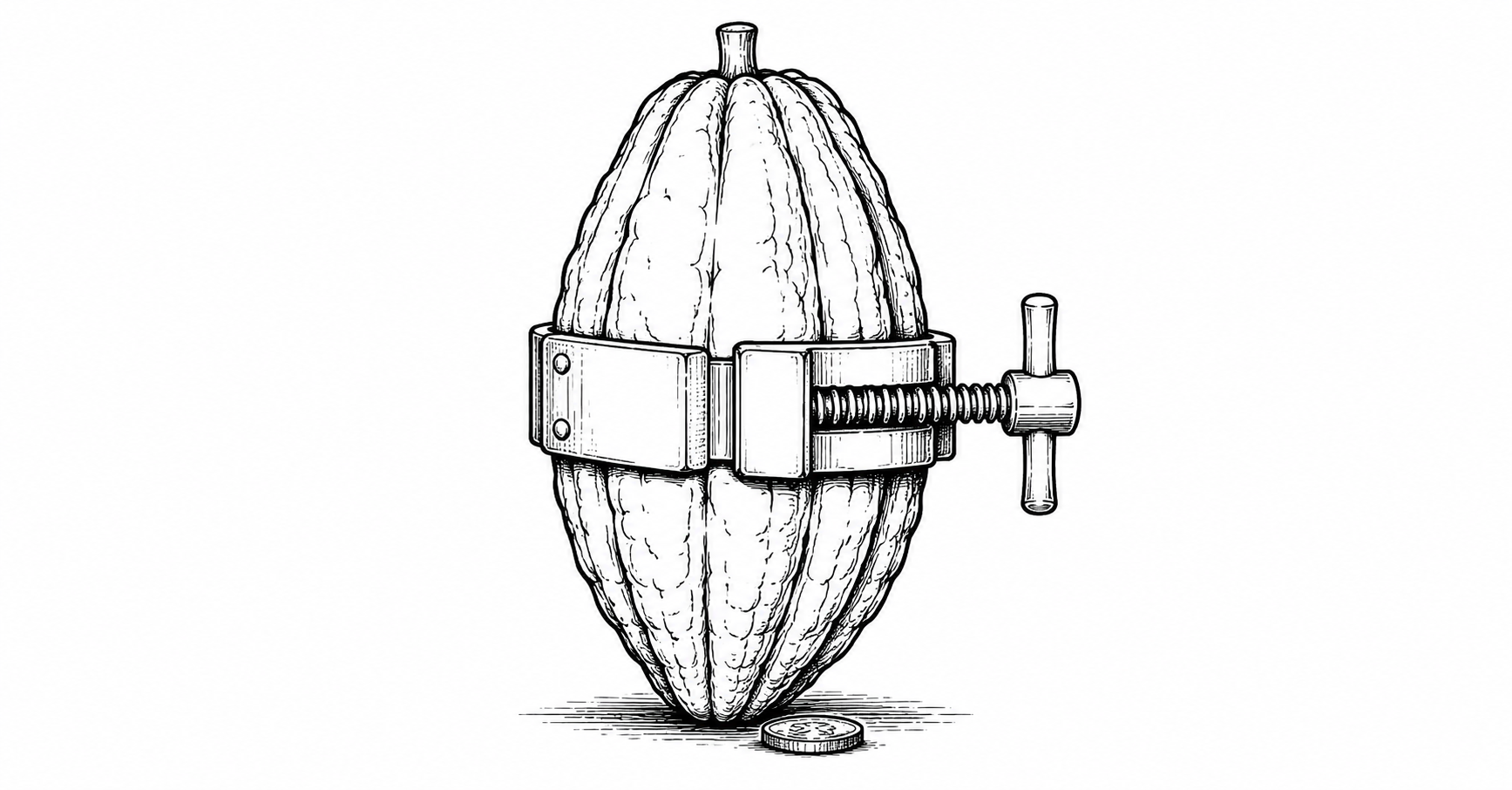
Ghana and Côte d’Ivoire Coordinate Cocoa Pricing as Global Market Volatility Threatens Producer Control
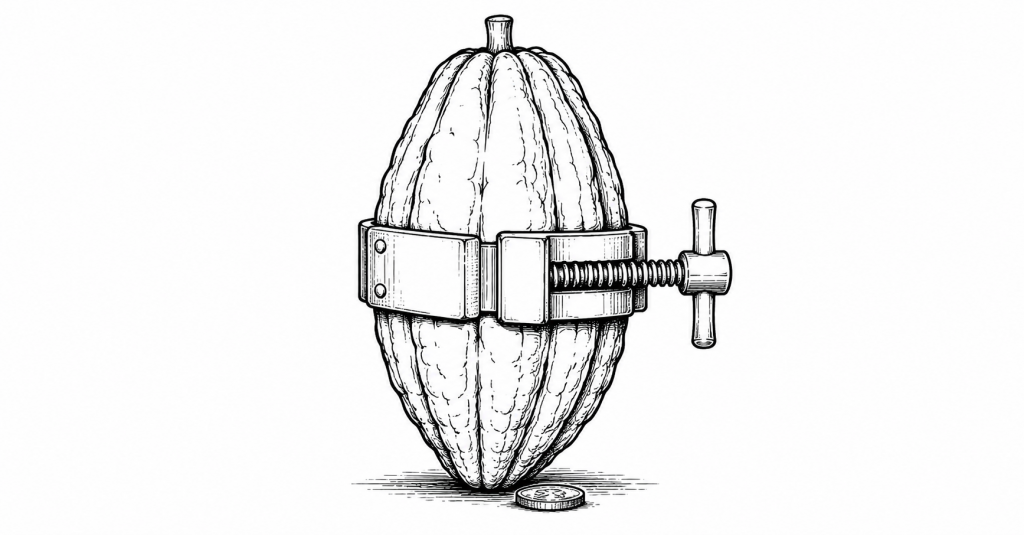
Ghana and Cote d’Ivoire together produce approximately 60% of the world’s cocoa supply. Facing sharp price declines, the two countries moved toward coordinating pricing and marketing strategy in 2026. Controlling three-fifths of global supply should, in theory, give producers meaningful leverage over the price buyers pay.
[SOURCING FLAG: No individual reporter byline identified from Batch B research notes for this story. Verify sourcing at Reuters coverage of Ghana/Cote d’Ivoire cocoa pricing coordination before publishing.]
Cocoa is a fungible commodity traded on global exchanges where futures markets set prices, not bilateral supply agreements. Buyers can adjust sourcing between the two countries, shift to lower-grade alternatives, or wait out a pricing standoff. The coordination Ghana and Cote d’Ivoire are attempting exposes how constrained their pricing power already was before the attempt began.
Neither country is approaching this for the first time. In 2019, they established a $400-per-metric-ton floor price through the Living Income Differential, a premium designed to ensure farmers covered basic costs. The mechanism had limited effect: buyers structured contracts to minimize LID exposure, and the price premium was absorbed into procurement logistics rather than reaching farmers. Producers held the supply. Buyers held the market access and the capital.
The structural problem is where value concentrates in the cocoa chain. Chocolate manufacturers, processors, and retailers capture margins that cocoa farmers and producing nations do not. Ghana and Cote d’Ivoire supply the raw material; the companies that process, brand, and distribute the finished product capture the majority of revenue per bar sold. Coordinating on price at the farm-gate and export level does not change where value is extracted downstream.
Power in commodity markets sits with buyers, processors, and financiers who can move faster, absorb more volatility, and operate across more sourcing options than any single producer nation. Coordination at the supply level, without corresponding leverage over processing or brand, is unlikely to close the gap between what cocoa producers earn and what consumers pay for chocolate. The attempt is rational. The constraint is structural — and it predates the current price decline.