Africa’s Economic Conference in 2026 Was About Geopolitical Autonomy. The Continent Named Its Own Diagnosis.
The Abidjan conference’s central theme was not a policy wonk preference — it was the continent’s most explicit public rejection of a dependency framework that has governed its relationship with global capital for two decades.
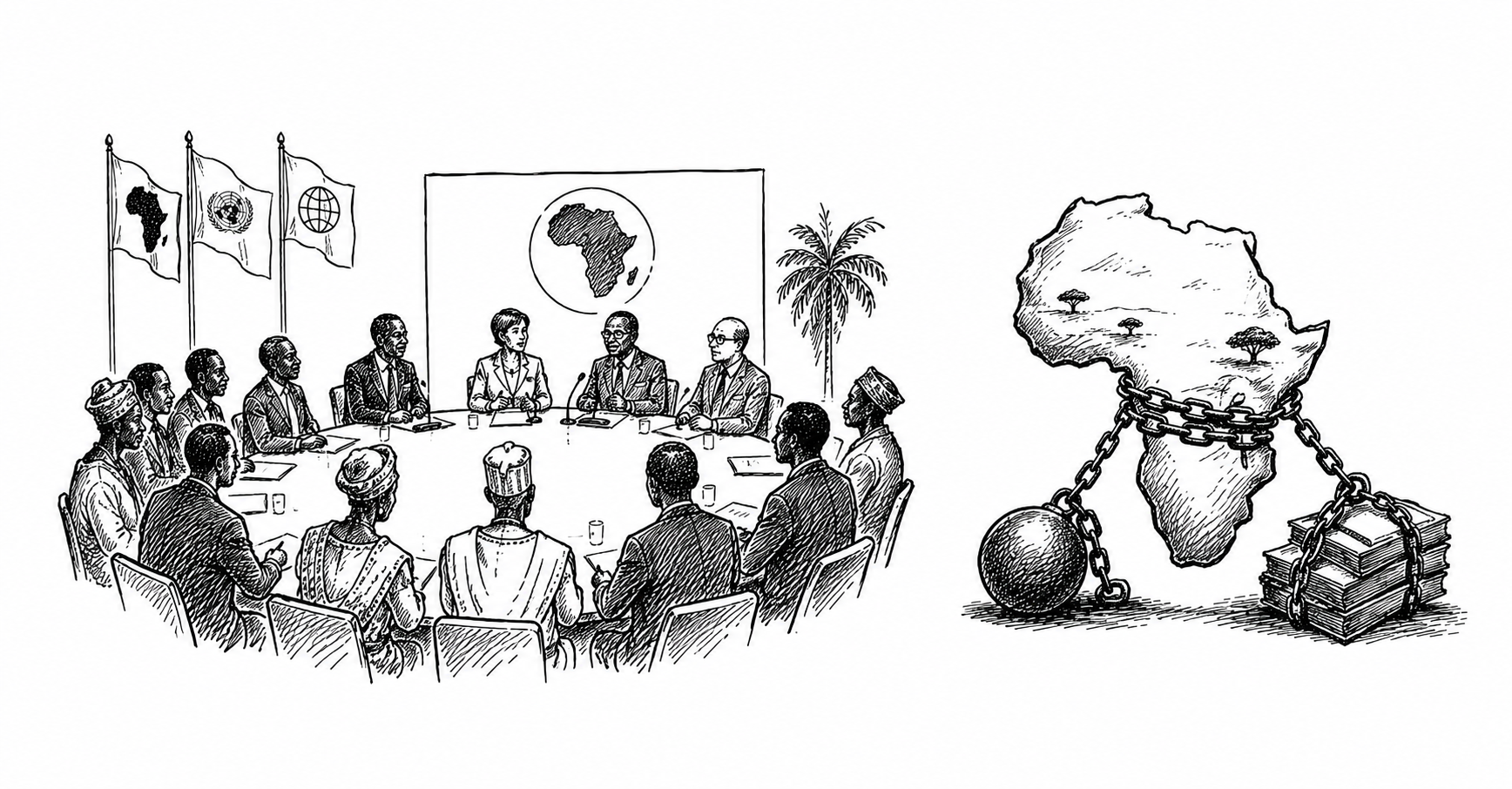
The 2026 African Economic Conference, hosted in Abidjan, Côte d’Ivoire from July 9 to 11, centered its program on “Strengthening Africa’s Geopolitical Autonomy and Trade Resilience in a Multipolar World.” The theme was chosen and named by the African Development Bank, the United Nations Development Programme, and the OECD — three institutions whose previous frameworks for African economic development have emphasized integration into global markets, foreign direct investment attraction, and institutional alignment with IMF and World Bank conditionalities. The choice of “geopolitical autonomy” as the conference’s organizing principle is not a rhetorical flourish. It is a formal signal that the institutions setting the continental economic agenda have concluded that the previous framework is not delivering what it promised.
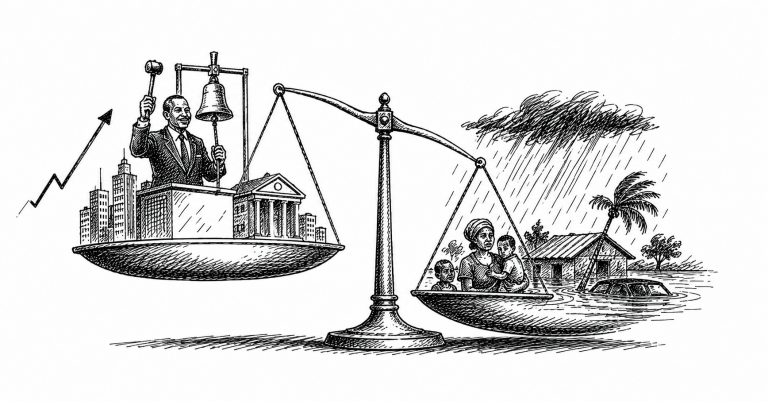
Sub-Saharan Africa is projected to grow at 4.3% in 2026. The growth number is real. What it does not capture is the fiscal architecture under which that growth is occurring: 31 countries spending more on debt service than healthcare, commodity prices that remain volatile and largely set in markets Africa does not control, and climate finance commitments from wealthier nations that have arrived late, conditionally, and at costs that compound the debt problem they were meant to address. The conference’s theme is the continent’s diagnosis of why economic growth and economic security have not arrived together.
The dependency framework that geopolitical autonomy is being positioned against took shape in the 1980s and deepened through the 2000s. The model held that African economies would develop most efficiently by specializing in commodity production and resource extraction for global markets, attracting foreign investment, and adopting institutional structures aligned with Washington Consensus prescriptions. The outcomes that followed — export revenue that remained commodity-dependent, investment that concentrated in extractive sectors rather than manufacturing or technology, and debt obligations that increased faster than fiscal capacity — are the empirical basis for the Abidjan conference’s theme. The continent is not departing from the previous framework because of ideology. It is departing because the data is available.
The specific mechanisms the conference addressed: building African supply chains that retain value within the continent rather than exporting raw materials for processing elsewhere; developing African-led trade relationships within the African Continental Free Trade Area (AfCFTA) that reduce dependence on external market access; creating African financial instruments and capital markets that reduce reliance on Western and Chinese debt for development financing; and positioning Africa as a negotiating bloc rather than a collection of individual states in multilateral economic forums. Each of these is a mechanism for reducing the exposure that the dependency framework created.
The mainstream coverage of the Abidjan conference treated it as an academic economics event — a gathering of researchers and policymakers discussing development theory. The more accurate description is a formal institutional endorsement of a strategic reorientation. When the African Development Bank, UNDP, and OECD organize a conference around geopolitical autonomy, they are doing more than hosting a seminar. They are providing institutional legitimacy to a critique of the framework they have historically administered. That shift — from within the institutions that designed and operated the dependency architecture — is the story that deserves more attention than the conference brief it received.
Africa’s path to geopolitical autonomy is long, unevenly resourced, and complicated by debt obligations that constrain the fiscal flexibility the pivot requires. The Abidjan conference did not produce a roadmap. It produced a diagnosis, delivered by the institutions responsible for the patient’s care. That is a different kind of event than a development economics conference, and it deserves to be covered as one.