New York Has Empty Apartments Inside a Housing Shortage
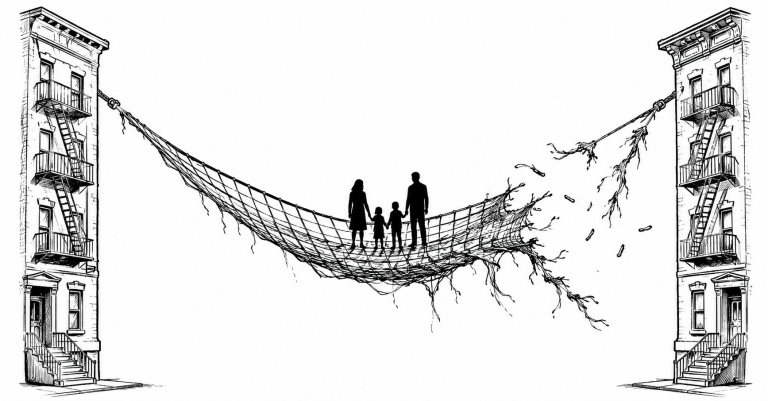
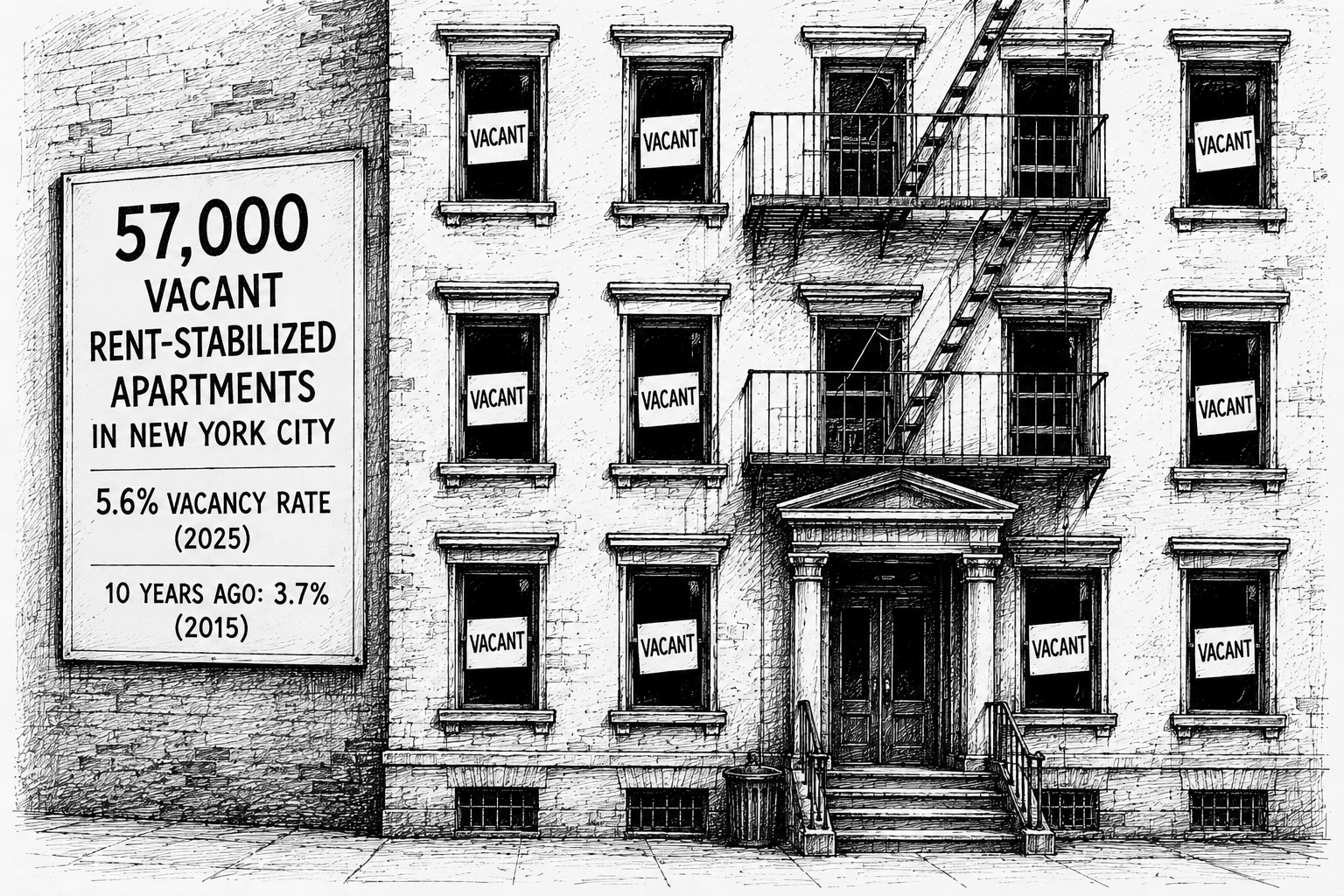
Nearly 57,000 rent-stabilized apartments sat vacant last year, revealing that New York’s housing crisis is no longer only about supply. It is also about whether the system knows how to return existing homes to the people who need them.
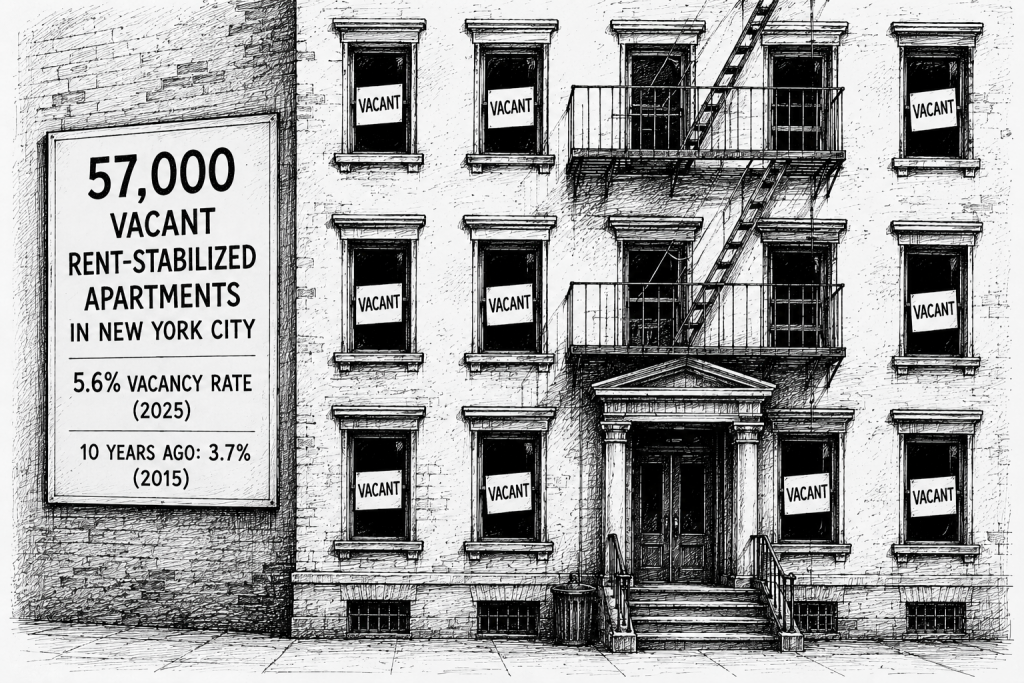
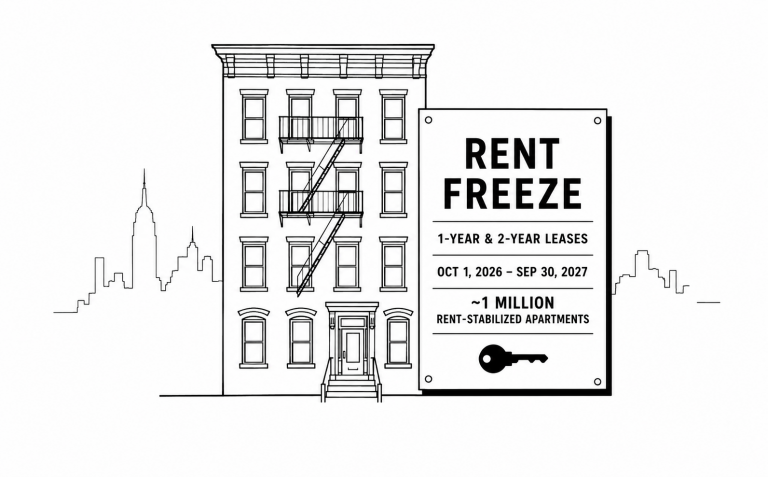
The New York Post reported on July 6 that approximately 57,000 rent-stabilized apartments across New York City were registered as vacant in 2025, representing a 5.6% vacancy rate. A decade earlier, the rate was 3.7%. The figure arrives while rents remain near record highs and affordable apartments are increasingly difficult to find.
Housing shortages are usually framed as construction problems. Build more apartments, increase supply, lower prices. That explains part of New York’s crisis, but it cannot explain why existing housing is sitting idle. These apartments already exist. The system has made returning many of them to the market financially and administratively difficult.
Many regulated units require extensive rehabilitation after years of occupancy. Plumbing must be replaced. Electrical systems need updating. Mold, water damage, and deteriorated floors can make an apartment uninhabitable. Owners cited in the reporting said renovation can cost $50,000 when the legal rent remains near $800 a month.
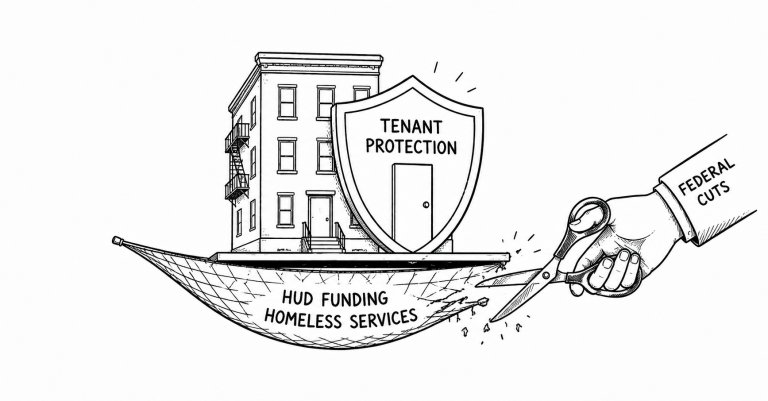
The Housing Stability and Tenant Protection Act of 2019 tightened the rules allowing landlords to recover renovation costs through rent increases. The change protected tenants from improvement schemes that had been used to push regulated apartments toward market rates. It also reduced the financial return attached to restoring genuinely distressed units. For large owners with access to capital, delay becomes a strategy: a building continues appreciating while political pressure builds for more favorable rules. Smaller landlords face a different problem — they may not have the cash or financing to complete repairs when the expected rent will not cover the debt. Different motives produce the same outcome. Apartments remain empty.
The state does not currently track why each unit is vacant, how much work it needs, or how long it has been unavailable. That information gap allows every side to argue from ideology while renters compete for a smaller pool of usable homes.
Every inactive apartment increases pressure on the rest of the market. Families remain in overcrowded housing because nothing else is available. Workers commute farther because neighborhoods near their jobs have become inaccessible. Young adults stay in unstable arrangements longer. The cost of vacancy is distributed across people who have no control over the renovation decision.
Power sits with the institutions controlling whether an apartment returns: owners decide whether to invest, regulators decide what costs can be recovered, and elected officials decide whether public financing will fill the gap. Renters absorb the consequences with almost no influence over that chain.
New York does not need to choose between tenant protection and usable housing. It needs a system that distinguishes strategic warehousing from legitimate rehabilitation barriers. Low-interest renovation loans could be tied to strict occupancy deadlines and long-term affordability requirements. Owners claiming financial hardship could be required to document repair needs and costs. Units held vacant without a credible plan could face stronger penalties or public acquisition.
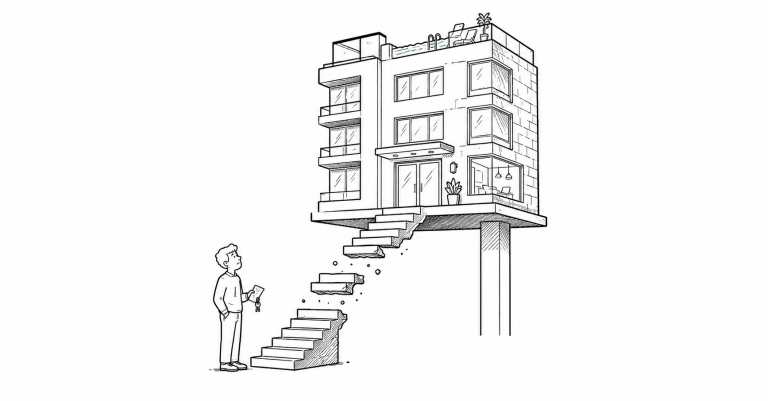
The next phase of New York’s housing crisis will be determined less by how many apartments technically exist than by how many can actually be lived in. Until vacancy restoration is treated as housing infrastructure, thousands of protected homes will remain inaccessible behind locked doors.