
Housing Markets Recover Faster Than Household Budgets

Harvard University’s Joint Center for Housing Studies reported in America’s Rental Housing 2026 that a record 22.7 million renter households — nearly half of all U.S. renters — were cost-burdened in 2024, even as asking rents for professionally managed apartments fell slightly and vacancy rates ticked up. The market is cooling. The household is not stabilizing at the same pace, and the report’s own numbers show why those two facts can be true at once.
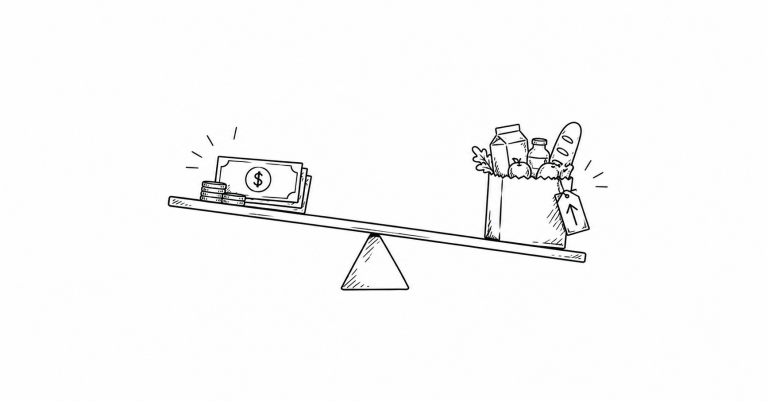
Housing markets move through supply, vacancy, financing, and asking rent. Households move through paychecks. That difference is the mechanism. A landlord can lower the rent. A market can add units. A vacancy rate can improve. None of those changes restores the money a renter already lost to years of price increases, emergency debt, higher grocery bills, insurance costs, utility pressure, transportation costs, childcare, or medical expenses. The apartment becomes easier to lease while the life inside it stays hard to afford.
This is where the national housing conversation often narrows too far. Supply matters. Construction matters. Zoning matters. But affordability isn’t produced by supply alone — it’s produced by the relationship between housing costs and household income after every other essential expense has taken its share. JCHS’s own data makes the point directly: for renters earning under $30,000, residual income after housing costs fell 48 percent between 2019 and 2024, down to a record low of $210 a month. A cooling rental market can ease pressure at the margin, but cost burden measures the budget after rent has already taken its cut. If nearly half of renters are still spending more than 30 percent of income on housing, and severely burdened renters — paying more than half — now number 12.1 million, the problem isn’t only the price of the unit. It’s the condition of the household balance sheet underneath it.
Power moves from renters to markets when affordability gets defined only through price trends. That definition lets institutions describe improvement without proving relief. Developers can point to new supply. Analysts can point to softer rent growth. City leaders can point to relative affordability compared with pricier metros. The renter’s budget may say something different. A smaller increase is not recovery. A lower rent than New York or Los Angeles is not the same as enough money left after the lease is paid — and JCHS notes cost burdens have risen in 44 states and 88 of the 100 largest metro areas over the past five years, even as headline rent growth cooled.
The next affordability debate will have to widen past housing production alone. It will have to include wages, insurance, transportation, utilities, and the debt households used to survive the years rents outran incomes. Otherwise the market dashboard can keep improving while the people reading it stay financially trapped.
JCHS managing director Chris Herbert put it plainly in the report’s release: headline numbers showing flat or falling rents can mislead. The risk ahead isn’t that rents stop falling — it’s that policymakers read a cooling market as a closed problem before the households inside it have had a single month to recover.