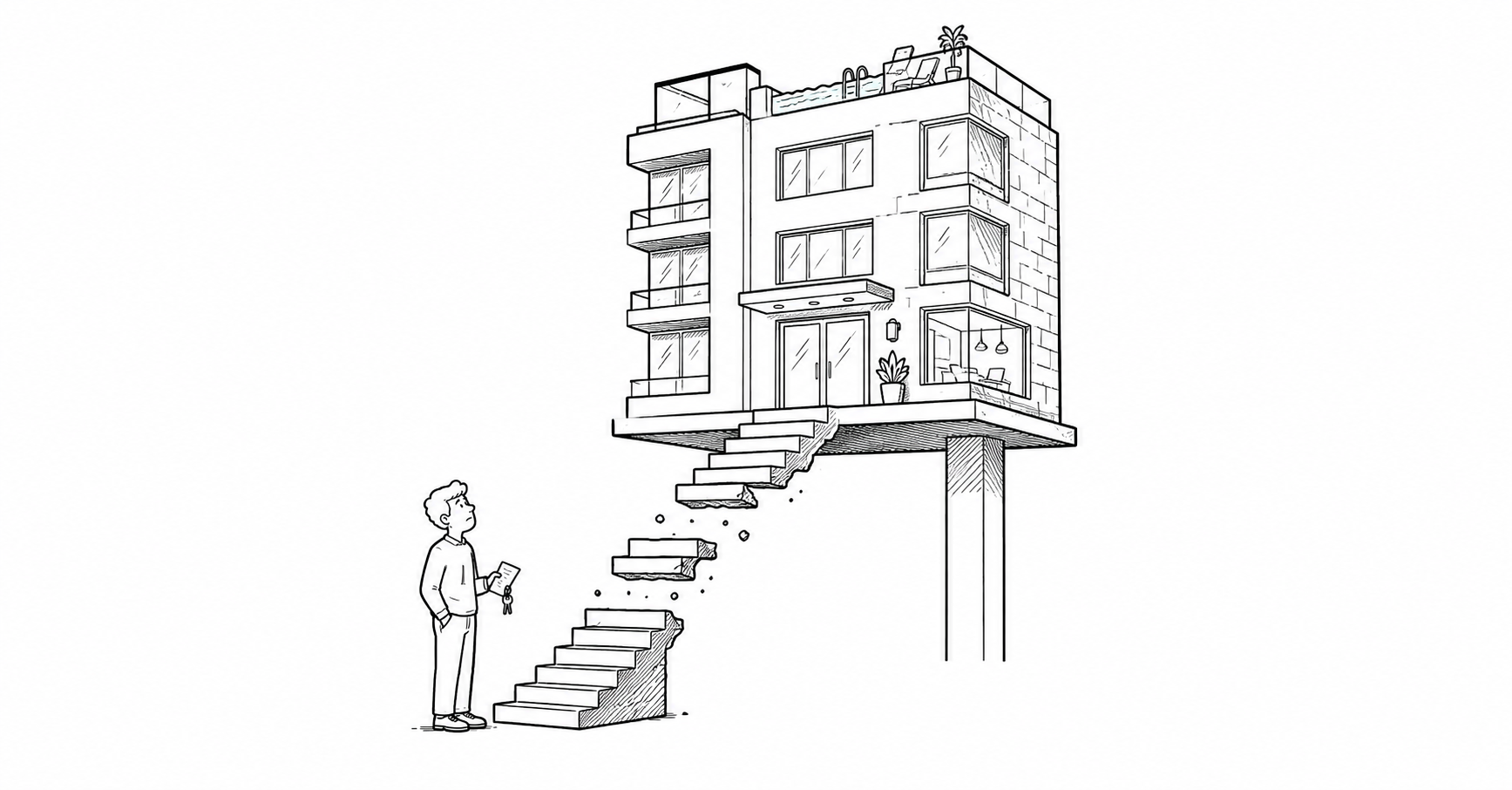
Charlotte’s Affordable Housing Replacement Arrived Years After the Displacement
The cottages came down in 2017. The replacement broke ground in June 2026. Alexandria Sands reported for Axios Charlotte on June 24 that The Fallon Company has begun construction on Twelve03, the first building at Centre South — a 329-unit midrise at the intersection of South End, Dilworth, and Uptown, with 66 affordable units for households earning between 65% and 80% of area median income, or roughly $50,000 to $63,000 for a single person. Amenities include a coworking lounge, fitness center, rooftop saltwater pool, and pet spa.
Nine years passed between demolition and groundbreaking. During those nine years, Charlotte’s housing market did not pause. South End became one of the most expensive rental markets in the city. The land sat vacant, generating no revenue for Inlivian, Charlotte’s housing authority, and producing no units for the households displaced when the cottages were cleared. The Fallon Company’s press release described advancing the project “at a time when few comparable developments nationally have been able to navigate today’s challenging capital markets” — which is accurate, and which also names the mechanism that held up the housing for nearly a decade. The capital stack had to work. It finally did, with a $100.5 million financing package from TD Bank and RXR Realty Investments. The people who were displaced in 2017 did not have the option of waiting for the capital markets to cooperate.
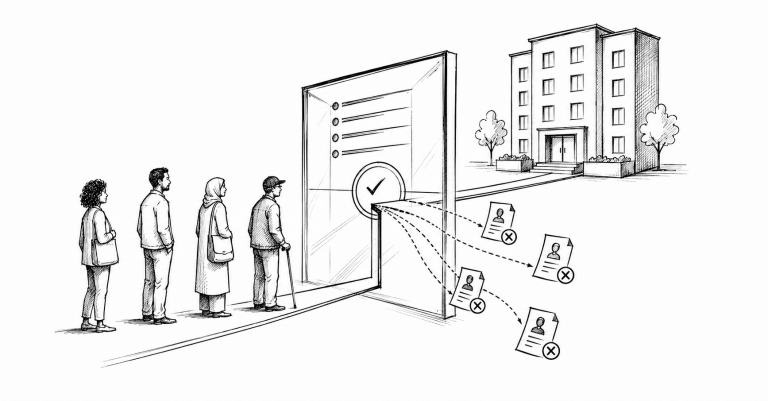
The affordable unit count deserves attention. Sixty-six units at 65% to 80% of area median income in a 329-unit building is 20%. Charlotte faces a shortage of more than 40,000 affordable units for its lowest-income renters — households earning below 30% and 50% of area median income, not 65% to 80%. The households most likely to have lived in the cottages cleared in 2017 are not the households who qualify for Twelve03’s affordable tiers. That is not an indictment of the project. It is a description of how mixed-income development works: it serves a range of incomes, and the range typically starts higher than the population displaced to make room for it.
Fulton Meachem, president and CEO of Inlivian, told Axios the journey took longer than expected but they remained committed to getting it right. The full 16.7-acre Centre South development is eventually expected to include up to 975 residences, office space, retail, and a hotel — a $500 million project on land that once held low-income housing. When the full build-out is complete, the site will carry far more economic activity, far more residents, and a far smaller share of households at the income levels of the people who originally lived there. That is not unique to Charlotte. It is how urban redevelopment has worked in nearly every American city with a hot real estate market. The ribbon-cutting comes a decade after the displacement. The community that was promised replacement housing gets the ribbon. What it gets instead is proximity to a rooftop pool it cannot afford.