The news tells you what happened. We explain what changed.

Explore all past issues, only on Beehiiv.
All Global Affairs stories, newest first.
Global Affairs
Demand for memory used in artificial-intelligence infrastructure is pushing manufacturers away from sub-$100 phones, shifting part…
By Bryson Davis · October 18, 2026
Global Affairs
Fatima Ezzahra El Mansouri's cabinet was sworn in Friday with a new finance minister and familiar…
By Bryson Davis · October 18, 2026
Global Affairs
Toyota, Nissan and other manufacturers are moving into robotics, mobility and AI after China overtook Japan…
By Social Storytellers Collective News Desk · October 17, 2026
Global Affairs
The government wants AI agents throughout public services, but it is keeping decisions about people’s livelihoods…
By Brandon Crenshaw · October 17, 2026
Global Affairs
The city wants 55,000 new homes a year. The national government wants 88,000. Neither number changes…
By Social Storytellers Collective News Desk · October 17, 2026
Global Affairs
Inflation is falling, but food costs remain high and a $12.4 billion gap in the country’s…
By Social Storytellers Collective News Desk · October 17, 2026
Global Affairs
The oil market has enough crude in the Americas — but moving it overseas has become…
By Social Storytellers Collective News Desk · October 16, 2026
Global Affairs
Delhi authorities closed six metro stations and restricted traffic on October 12 as protests over India's…
By Social Storytellers Collective News Desk · October 16, 2026
Global Affairs
The IMF's October 2026 World Economic Outlook data project 2.3% growth for Latin America and the…
By Social Storytellers Collective News Desk · October 16, 2026
Global Affairs
India's satellite-internet market is still waiting on regulatory clearances, despite licenses held by three competing operators:…
By Social Storytellers Collective News Desk · October 16, 2026
Global Affairs
China’s automakers are leaning harder on foreign markets as home sales weaken, but the export surge…
By Brandon Crenshaw · October 16, 2026
Global Affairs
As India prepares a national obesity guideline, physicians are pushing for a broader way to identify…
By Brandon Crenshaw · October 16, 2026
UNEP’s Emissions Gap Report 2026 says emissions must fall 18% by 2030 and 45% by 2035 to return warming to 1.5°C by 2100. Current pledges cut far less, leaving the world on track for about 2.6°C.

Labor authorities in the Dominican Republic inspected 101 Chinese-owned commercial establishments and reported that 91 dismissed employees before they completed three months of service. The findings reveal how job protections can be undermined when employers organize employment around avoiding legal obligations.

Approximately 12.7 million university graduates entered China's labor market in 2026. Youth unemployment has eased slightly, but the growing competition for entry-level work is challenging the promise that education leads to economic security.

Nigeria's inflation rate is falling, and government officials say economic reforms are working. But the country's ₦70,000 monthly minimum wage, equivalent to about $52, is exposing the distance between financial stability and the ability to afford everyday life.
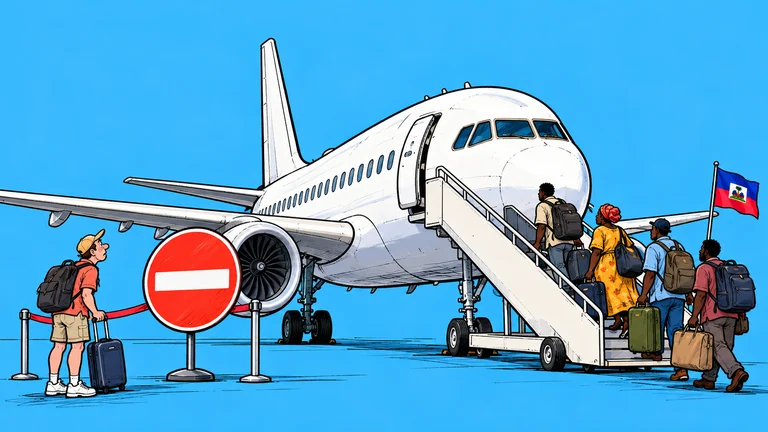
The State Department tells Americans not to travel to Haiti for any reason. With Temporary Protected Status gone, the U.S. is sending hundreds of Haitians back to the same violence, and that contradiction demands a better answer.

Across India’s advertising industry, campaigns featuring interfaith families, changing gender roles and cultural inclusion have drawn boycotts and public anger. The bigger story may be what happens before those ads ever reach an audience.
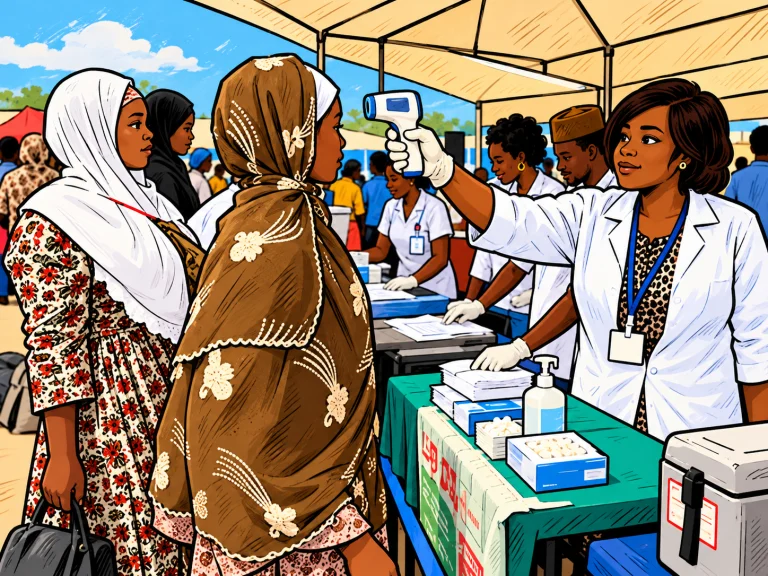
A woman who traveled from Uganda has tested positive in Abuja as the fastest-spreading Ebola outbreak on record moves across Africa. Nigeria’s 2014 response became a global model for containment. This time, it faces a different strain and a more strained economy.
Saudi Arabia’s juvenile justice reforms were meant to end executions for childhood offenses. A counterterrorism exception left the door open. Four days after the execution of Hassan Zaki al-Faraj, the kingdom launches Riyadh Season, its biggest showcase of a modern Saudi Arabia.

Thousands of arrests, burned public buildings and violent clashes have overshadowed protests over living costs and failing schools. France's unrest shows what happens when economic frustration, political distrust and public safety collide.
Bank lending increased 34.6%, but the distribution of credit raises questions about which businesses are benefiting.
The government is defending its economic reforms despite continued pressure from fuel prices and the cost of living.
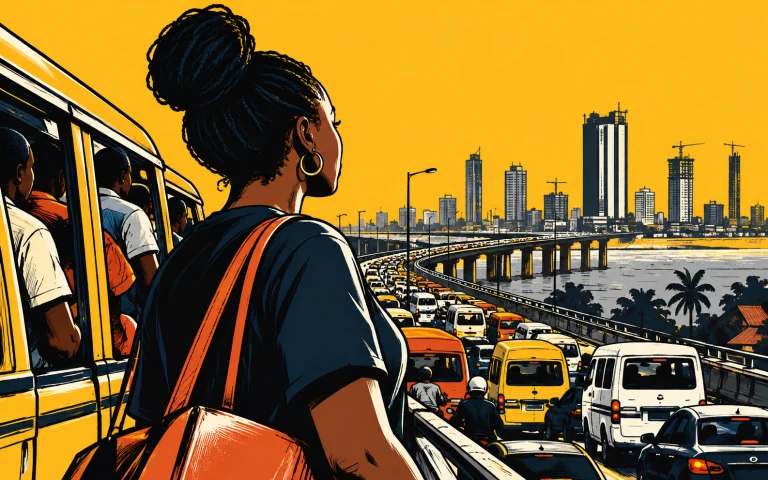
Housing costs in parts of Nigeria's commercial capital have nearly doubled while wages have barely moved. Families seeking cheaper homes are being pushed farther from employment centers, where transportation costs consume much of what they hoped to save.
