Canada’s Asylum Safety Net Is Becoming a Referral System
When “safe third country” rules send people back into U.S. enforcement, protection becomes procedural instead of real.
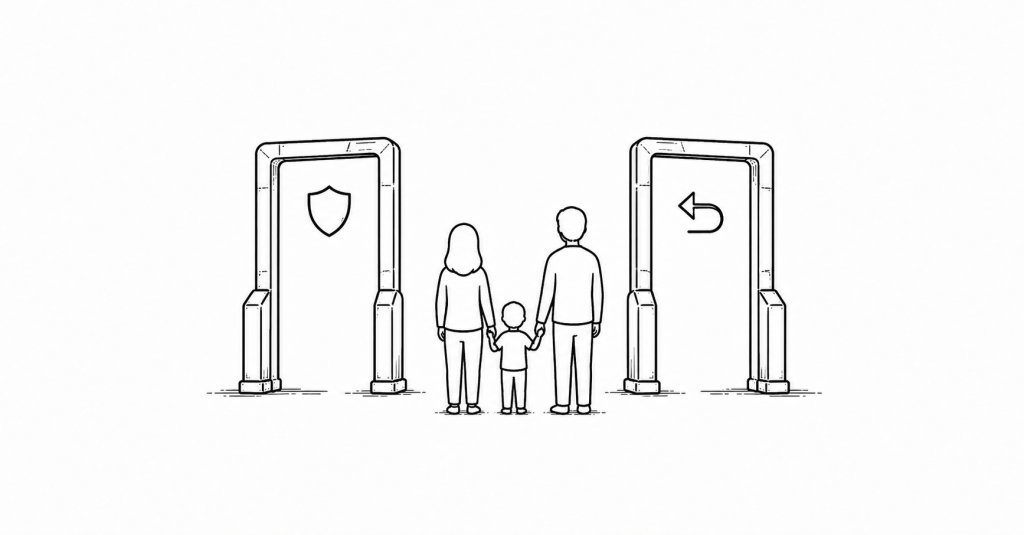
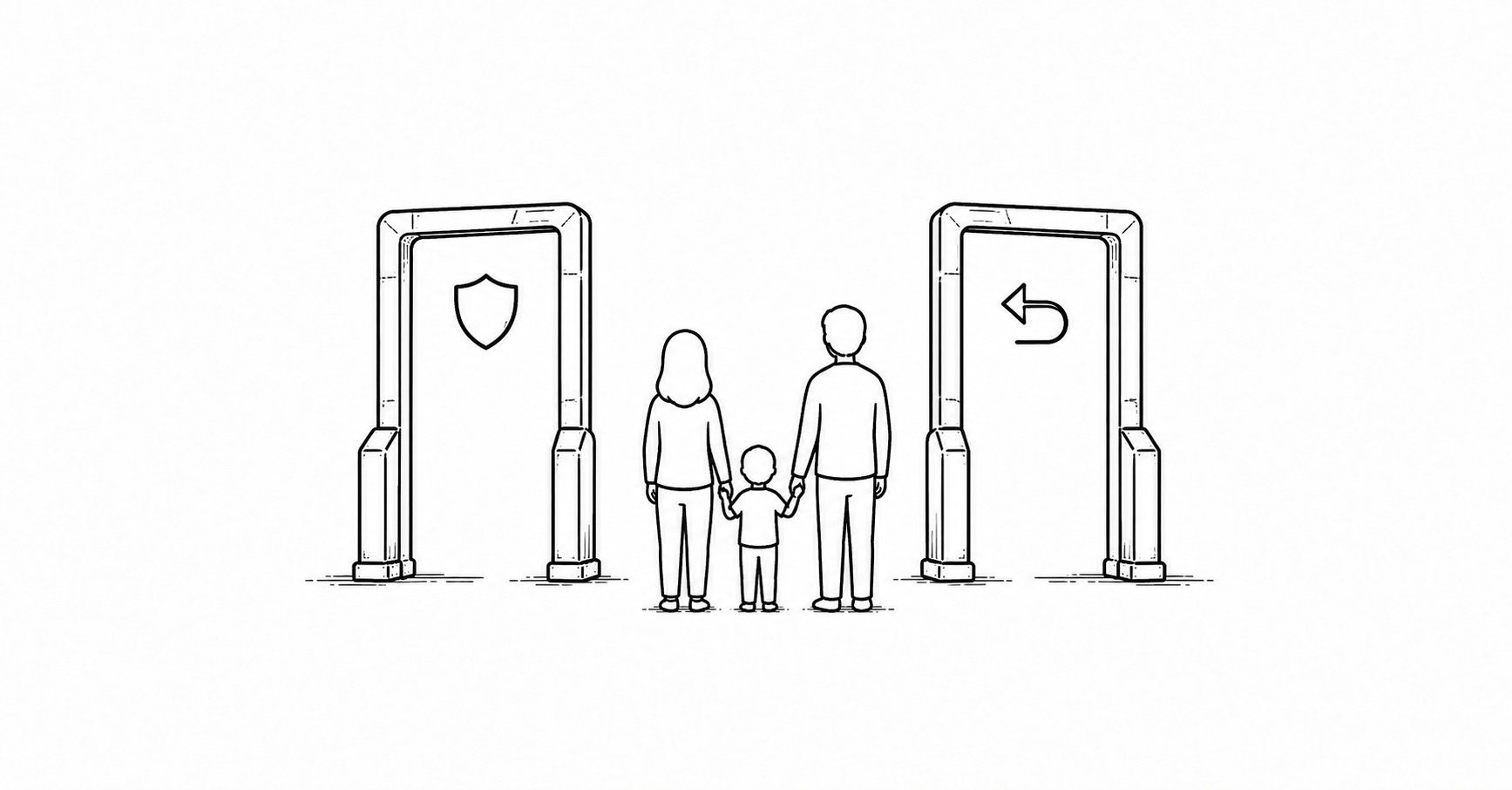
At the Canadian border, the question facing one Honduran family was not simply whether they needed protection. It was whether the system would recognize the way they arrived as the correct way to ask for it.
Carlos, Antonia and their young son Alejandro had fled gang violence in Honduras and sought refuge through North America’s asylum system. According to reporting from The Guardian, Canadian border officials told the family that Carlos and Alejandro could enter because they had qualifying family ties in Canada, but Antonia could not. The choice became separation or return. The family stayed together, was sent back to the United States, and was later deported to Honduras.
That is the human consequence of a rule built to look administrative. Under the Canada-U.S. Safe Third Country Agreement, many asylum seekers who reach Canada from the United States are told they must pursue protection in the first “safe” country they entered. Canada and the United States have treated each other as safe countries for refugee processing since the agreement took effect in 2004. In 2023, the deal was expanded so that it applied not only at official land crossings, but also to many people who cross between ports of entry and make a claim within 14 days.
On paper, the logic is order. The agreement is supposed to manage border flows and prevent people from shopping between asylum systems. In practice, it can turn protection into a routing problem. A person’s claim may depend less on the danger they face than on which side of a border they reached first, whether they have the right family relationship, whether they understand the exception process, and whether they can make the case fast enough while standing in front of an officer.
That is why the latest court challenge matters. The Canadian Council for Refugees, Amnesty International Canada and the Honduran family are arguing that Canada is sending asylum seekers back to the United States even when they fear detention, removal or deportation to countries where they may face harm. The core claim is not that the law lacks safeguards. It is that the safeguards are not functioning in the moments when people need them most.
The distinction matters. Canada’s Supreme Court upheld the constitutional validity of the Safe Third Country framework in 2023, in part because the system contained “safety valves” for humanitarian and compassionate circumstances. But advocates now argue those safety valves are largely theoretical. If people are not clearly told they can request an exemption, if they lack legal counsel, or if they are asked to make life-altering decisions in minutes, the existence of a safeguard does not mean meaningful access to one.
This is the deeper policy story. Modern asylum systems are increasingly designed around deterrence, sorting and deflection. The language is managerial: border volume, responsibility sharing, eligibility, exception, removal. But behind that language is a transfer of risk. Canada can say the United States is responsible. The United States can say removal is lawful. A third country can be used as a transit point. At each stage, the person seeking protection becomes someone else’s jurisdictional problem.
That pattern is spreading beyond the Canada-U.S. border. The Associated Press recently reported that asylum seekers deported by the United States to Sierra Leone risk being sent onward to home countries where they fear persecution, despite prior legal protections. Sierra Leone is one of several countries involved in third-country deportation arrangements. The machinery is different, but the logic is similar: protection obligations are narrowed by moving people through systems that make responsibility harder to pin down.
The public debate usually reduces this to whether countries should have stricter borders. That misses the structural question. A border can be orderly and still unsafe. A rule can be legal and still inaccessible. A country can be designated safe in statute while producing outcomes that expose people to detention, family separation or return to danger.
For asylum seekers, the gap between legal safety and actual safety is not theoretical. It is the difference between being heard and being processed. It is the difference between a protection system and a referral system. And it is the difference between a government saying there is an exception and a family being able to use it before the door closes.
The question now is whether Canada’s asylum framework still functions as protection, or whether it has become another layer in a North American enforcement chain. The answer will not be found only in court doctrine or border policy. It will be found in the moment when a family asks for safety and the system responds by asking whether they came through the right door.