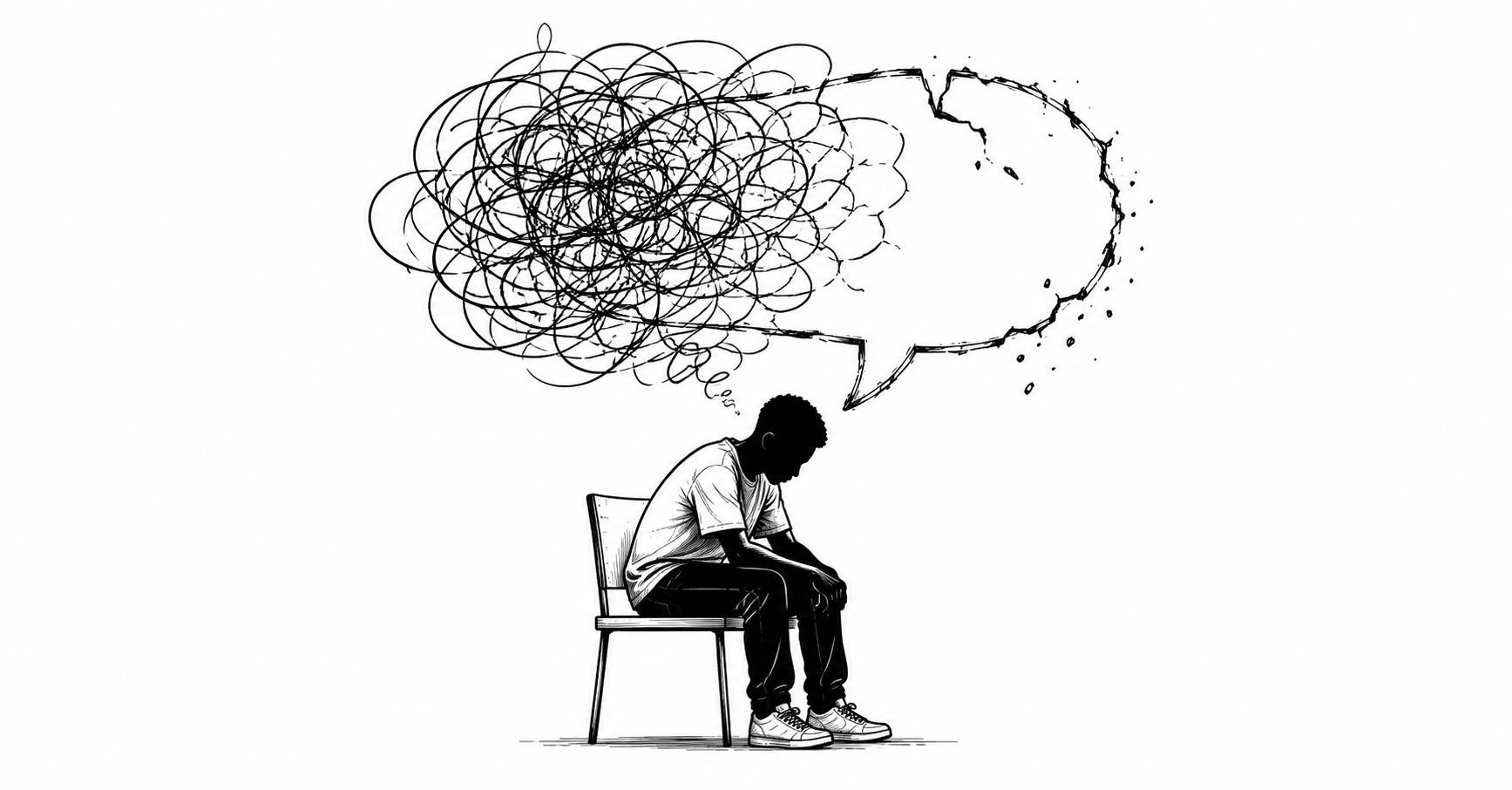
Young Black Men Are Now Dying by Suicide at a Historic Rate
New CDC data shows young Black men dying by suicide at a higher rate than young white men for the first time since the government began tracking it.
For the first time since the federal government began collecting this data, young Black men are dying by suicide at a higher rate than young white men, according to new CDC figures reported by Capital B’s Adam Mahoney. The crisis for young Black men peaks between ages 20 and 24, with a death rate of 31.9 per 100,000 — the highest of any age group measured. Black Americans overall have seen their suicide death rate climb 53% between 2014 and 2024, more than ten times faster than the rate for white people and twice as fast as for Latino and Native American populations.
Mental health professional Brandon Jones, who works directly with young Black men, told Capital B the numbers reflect “an accumulation of unresolved pain colliding with a generation that is, perhaps for the first time, willing to name it.” He pointed to a structural gap between rising mental health awareness and the resources available to act on it: “There’s awareness that is heightened, but there’s a lack of what the proper responses are.” Jones also named a specific mechanism tied to social media — the same platforms that have helped normalize conversations about therapy and trauma also expose young Black men to a constant stream of videos depicting police violence, war, and other people’s hardship, a mix he said can deepen hopelessness rather than relieve it.
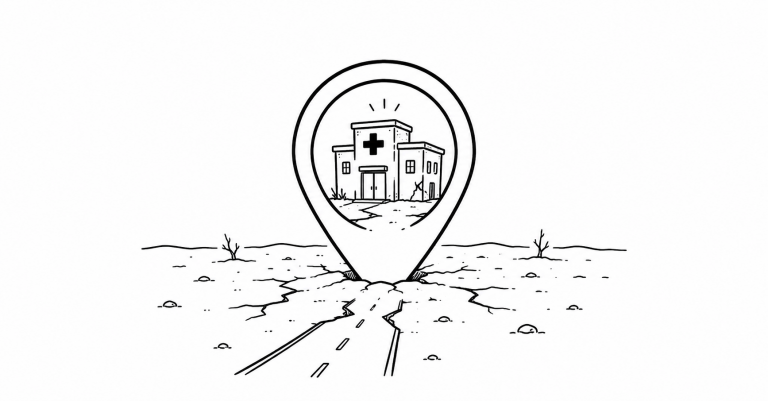
The geography of the crisis runs counter to where Black mental health infrastructure is typically concentrated. More than one in four Black men who died by suicide in 2024 lived in Georgia, Texas, or Florida, but the highest death rates were found in states with smaller, more dispersed Black populations — Utah, Kansas, Colorado, Oregon — where culturally competent mental health care is often hardest to access. Firearms remain the leading method in youth suicide overall, accounting for more than half of all youth suicide deaths. Black men are more than four times more likely to die by suicide than Black women.
B.P. Lyles, who works with Pennsylvania’s Human Rights Coalition and has spent years working with incarcerated Black men, connected the crisis to broader structural conditions rather than individual circumstance: “The lack of identity, the lack of belonging, the lack of knowing that people matter — it damages the psyche.” Lyles described a pattern among the men he’s worked with of being forced into silence under the weight of accumulated trauma, comparing it to veterans who return from war unable to speak about what they experienced. “People are forced into silence,” he said. “And that has to be broken.” Jones named a related, more specific dynamic for young Black men navigating professional and public life: invisibility. “We don’t see examples of ourselves in many spaces that are healthy,” he said.
What the data makes visible is a gap between rising public awareness of Black mental health and the institutional capacity built to respond to it. Naming a crisis is not the same as having the infrastructure — culturally competent providers, accessible care in the states where rates are highest, language and frameworks for processing accumulated trauma — to meet it. Power here sits with the institutions that decide where mental health resources get built and funded, not with the individuals and communities now naming a crisis those institutions have not yet caught up to.
— SSC Society Desk | Social Storytellers Collective
If you or someone you know is struggling with thoughts of suicide, the 988 Suicide & Crisis Lifeline is available by call or text, or at 988lifeline.org.
Free, daily structural analysis like this lands in your inbox every weekday morning. Subscribe: https://246481934.hs-sites-na2.com/newsletter