Paris Is Regulating Public Behavior Because the Heat Is Outrunning the City
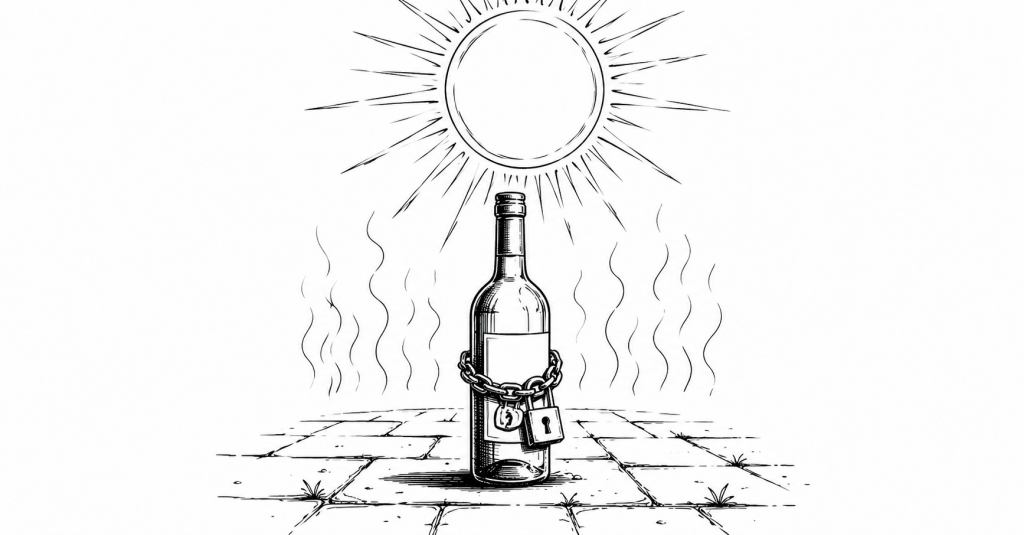
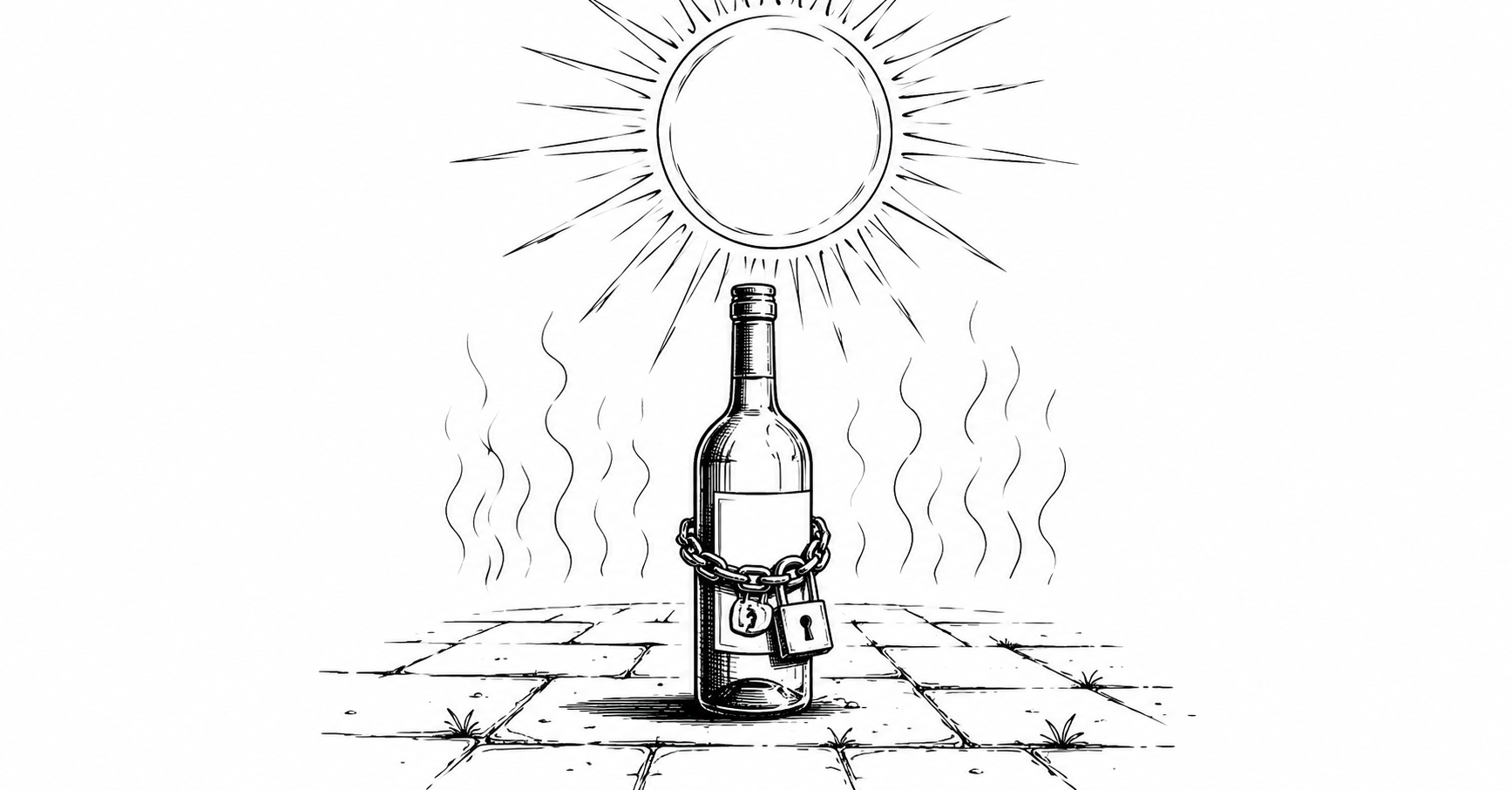
Reuters reported on June 25, with reporting by Sudip Kar-Gupta, that Paris would ban public alcohol consumption from midday Friday as a severe heatwave gripped France and much of Europe. Paris police chief Patrice Faure said alcohol under intense sun could have a devastating health effect, and officials also planned to restrict the sale of alcoholic products from Friday evening.
Climate adaptation is moving into behavioral governance. Cities have long responded to heat with cooling centers, public-health alerts, water distribution, and emergency plans. Paris is now adding rules about what people can consume in public because the health system has to reduce preventable risk during temperatures that existing infrastructure was not designed to handle.
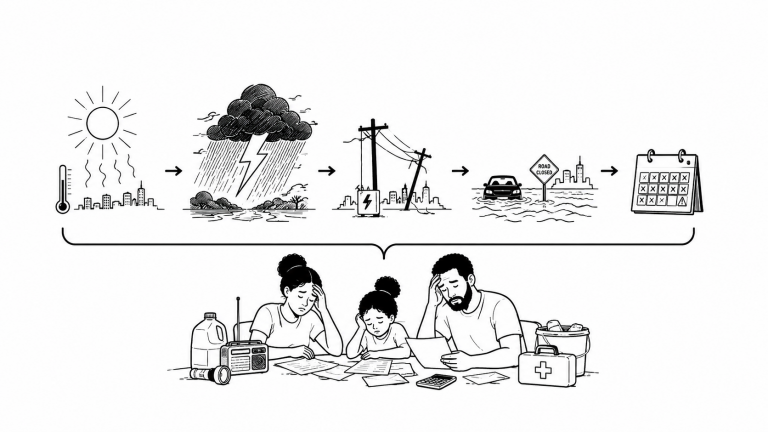
That shift shows how extreme weather changes the boundary between personal choice and public burden. A person drinking outside is making an individual decision, but heat illness pulls in ambulance services, emergency rooms, police, and public space managers. When the system is strained, private behavior becomes part of citywide risk management.
The policy is small in duration but significant in what it signals. Alcohol increases dehydration risk and impairs judgment during dangerous heat. In a normal summer, that might remain a public-health recommendation. In a heatwave, it becomes a police edict. Cities that once managed heat passively — through messaging and infrastructure — are discovering that passive tools reach their limits faster than the climate is slowing down.
The alcohol ban also reveals the social geography of heat. People with cool homes, private transportation, flexible schedules, and indoor leisure options experience restrictions differently than people whose social life, workday, commute, or housing situation keeps them in public space. A rule written for public health can land hardest on those who rely on outdoor environments because they have no indoor alternative.
Behavioral rules will become more common as heatwaves intensify. Cities may limit outdoor work hours, close parks, cancel events, restrict sports, adjust school calendars, change delivery rules, or police high-risk gatherings. Each decision will carry a legitimate safety rationale and a civil-liberties cost.
Behavioral rules are faster than infrastructure repair. Paris can ban public drinking in a day. It cannot retrofit the housing stock, school buildings, transit stations, and public squares that the city’s climate policy requires in years. That gap makes short-term regulation attractive even when the underlying problem is a built environment designed for a climate that no longer exists. Paris is showing what heat governance looks like when the city runs out of passive options — and other cities are watching.