The Workers Who Kept the Nursing Homes Running Are Gone. Nobody Replaced Them.
Temporary Protected Status for 350,000 Haitian immigrants expired July 27. The industries that depended on them are finding out what that means.
Part of The Access Shift — examining how access is being quietly reshaped across American life.
NEWS DESK | SOCIAL STORYTELLERS COLLECTIVE
Haitians first received Temporary Protected Status in 2010, after an earthquake killed more than 100,000 people and left the country in conditions the US government determined were too dangerous for return. They came, and they worked. For sixteen years they staffed the nursing homes, the airport terminals, the hospital wards, the school cafeterias, the home care agencies — the essential infrastructure of daily American life that gets noticed primarily when it stops functioning. On July 27, 2026, the Supreme Court’s June ruling took effect and TPS expired for approximately 350,000 Haitian nationals. The Department of Homeland Security notified employers this week that the protections were officially over. The layoffs began the same day.
About 70% of Haitian TPS holders work, which means the labor market lost more than 200,000 workers simultaneously. The displacement is not distributed evenly across the economy. The Haitian TPS population is highly concentrated both geographically and by industry — meaning the impact is not a general labor market adjustment. It is a targeted removal of workers from specific sectors in specific cities, with no replacement pipeline in place because no one built one. In Massachusetts alone, business leaders warned the departure of nearly 45,000 Haitian TPS holders could cause “lasting economic damage.” About 1,500 workers will be impacted in Massachusetts nursing care facilities alone, according to the state attorney general’s office.
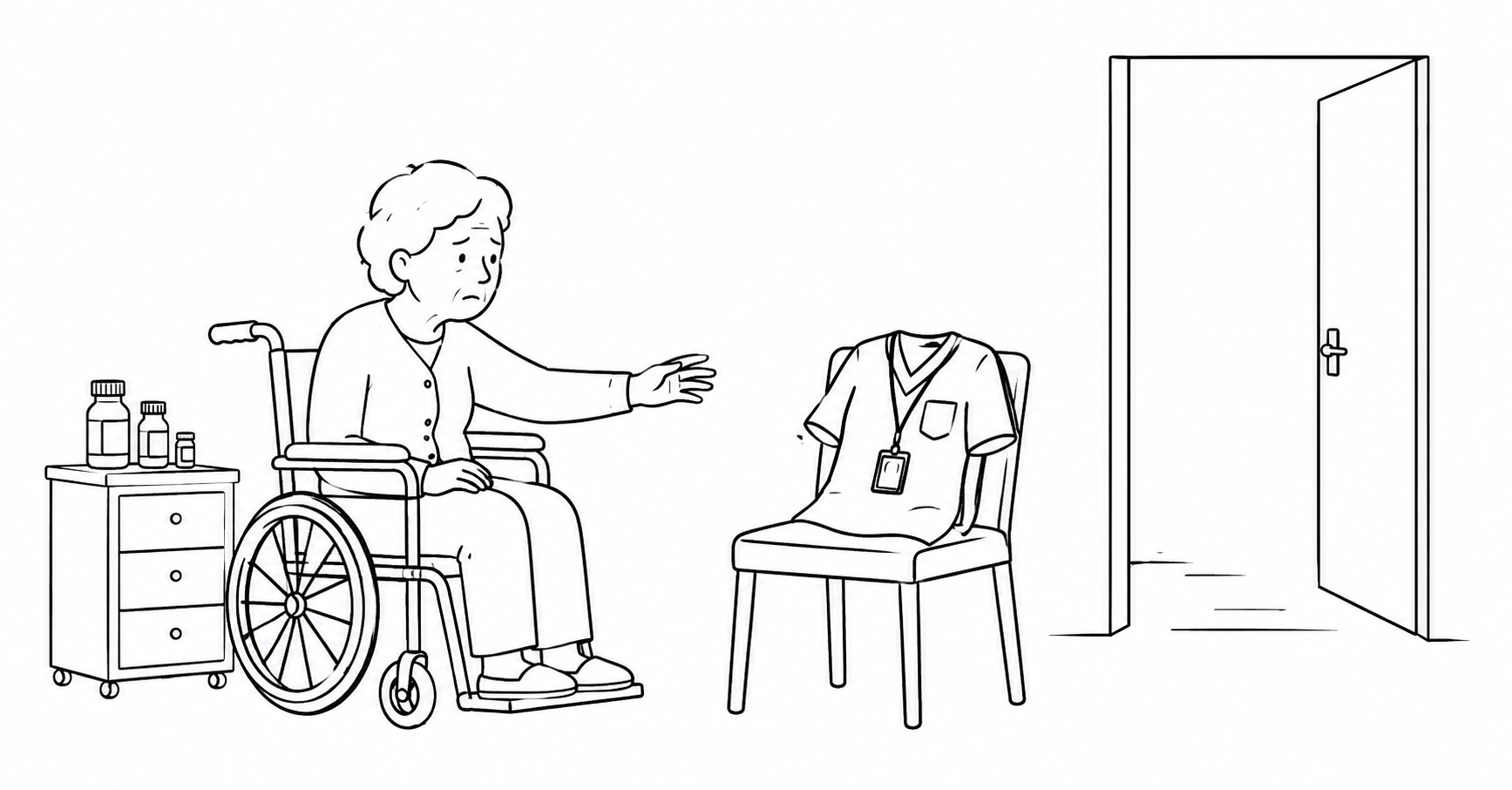
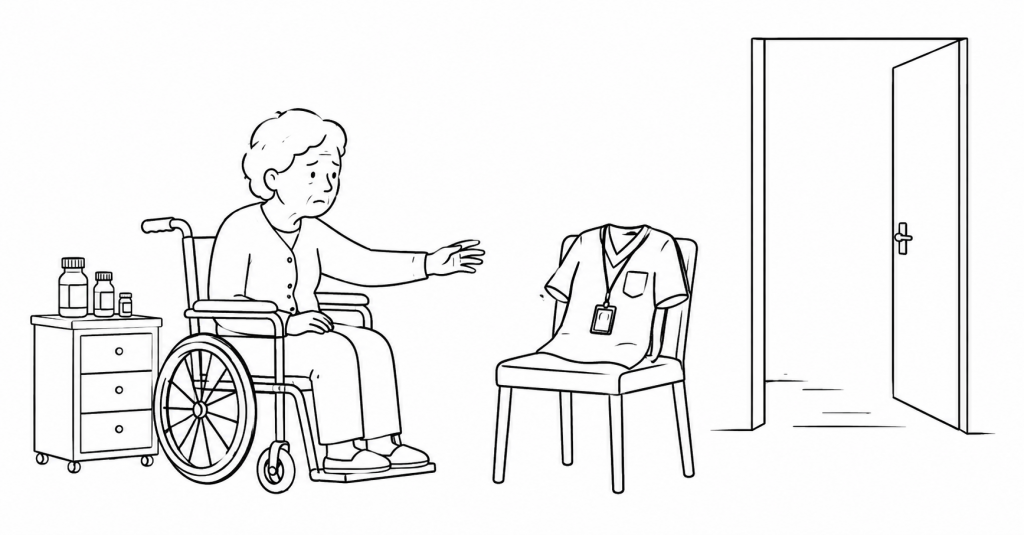
The human dimension of the displacement is contained in a single observation from Hebrew SeniorLife CEO Adam Scott, speaking to the Boston Globe. His organization has managed to hire enough workers to fill 75% of the positions Haitian workers are leaving behind — but bringing on new employees doesn’t make up for what’s being lost. “Loyalty is hard to replace,” he said. “These are productive members of society contributing to the economy who won’t be able to be employed as of 11:59 tonight.” The residents of those facilities — elderly, often with dementia, often dependent on the specific faces and voices that have been caring for them for years — are absorbing a disruption that no staffing agency can fully address. Temporary workers fill positions. They do not fill relationships.
The process itself has been chaotic in ways that compound the human cost. Employers reported that the guidance from the federal government was confusing and inconsistent as TPS wound its way through court. One employer terminated two or three dozen employees, then called them back the next day because the status hadn’t formally terminated yet. GBH News previously covered home care employers who misinterpreted court orders and laid off workers, only to rehire them after news stories were published. Workers who had been legally employed for sixteen years were being let go, recalled, and let go again — not because of anything they did, but because the legal guidance kept changing and their employers couldn’t afford to guess wrong.
In South Florida, residents of Little Haiti appeared reluctant to speak publicly about the situation. People are scared to leave their homes and quitting their jobs, impacting the workforce. For businesses that rely on Haitian workers and customers, the effects are already being felt. Wilkinson Sejour, owner of Chef Creole — which operates seven locations including one at Miami International Airport — said the restaurant chain has already seen employees leave and customer traffic decline. The airport story is the one the Washington Post is leading with because travel disruption is visible and immediate. The nursing home story is the one that will compound quietly over months, as the residents who relied on consistent care absorb an instability that has no clean resolution.
As SSC documented in The Airport Isn’t Just a Transit Hub Anymore — It’s a Checkpoint and the Adam Mahoney deportations piece, the infrastructure of immigration enforcement is being expanded and tightened simultaneously across multiple sectors — the US deploying ICE to airports, Canada retroactively barring asylum hearings, the UK signing deportation agreements with Nigeria. The Haitian TPS termination is not a separate story from that infrastructure. It is the same logic applied to a population that has been legally present and economically essential for sixteen years. The Supreme Court cleared the path. The employers are now managing the consequences of a policy decision that was made without them and that they are absorbing alone.
Why This Matters
The disruption to airports and summer travel will produce the most immediate coverage. The disruption to nursing homes, hospitals, home care agencies, and schools will produce the most durable damage — because the workers being lost from those sectors are not being replaced by AI efficiency gains or restructuring language. They are being replaced by vacancy, overtime, and temporary staffing contracts that cost more and deliver less. The communities most affected are the ones who relied most on TPS holders for essential care — elderly residents, disabled adults, children in under-resourced schools — and who had the least political visibility in the decision that just displaced the people caring for them.