White Women Are Being Hired Into Diversity Roles. Then Told the Role Is Being Eliminated.
Companies hired white women into diversity and inclusion officer roles over the past five years at higher rates than they hired women of color for these positions. According to recent data, white women represent approximately 75-76% of chief diversity officer roles, while Black or African Americans comprise just 3.8% of these positions. This disparity was partly because white women had greater representation in HR departments from which many DEI officers were recruited. It was partly because companies making diversity hires sometimes defaulted to white women as a compromise solution—appearing to diversify while maintaining majority racial demographics in leadership. Whatever the reason, white women disproportionately filled the DEI officer positions that companies created as they committed to diversity initiatives.
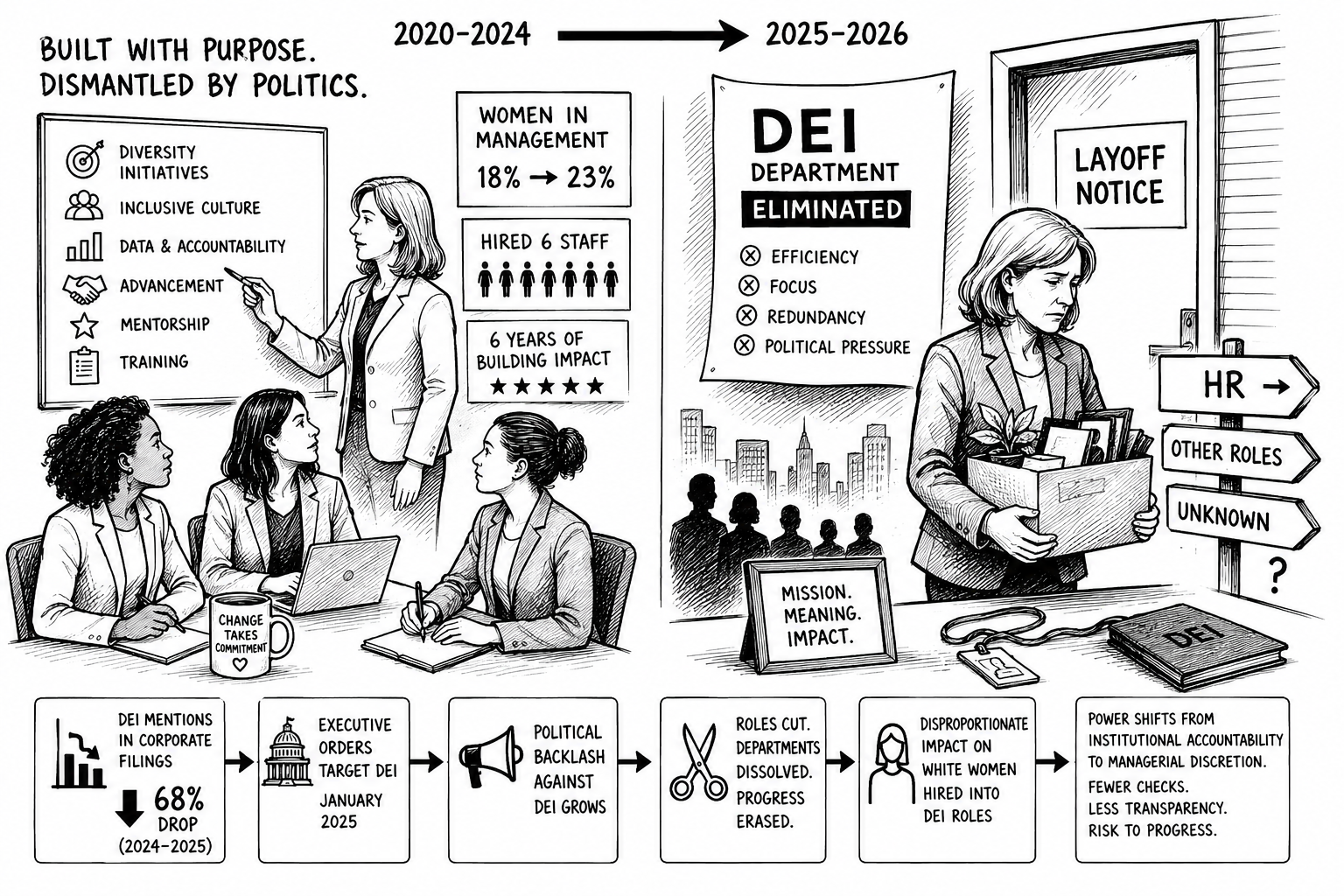
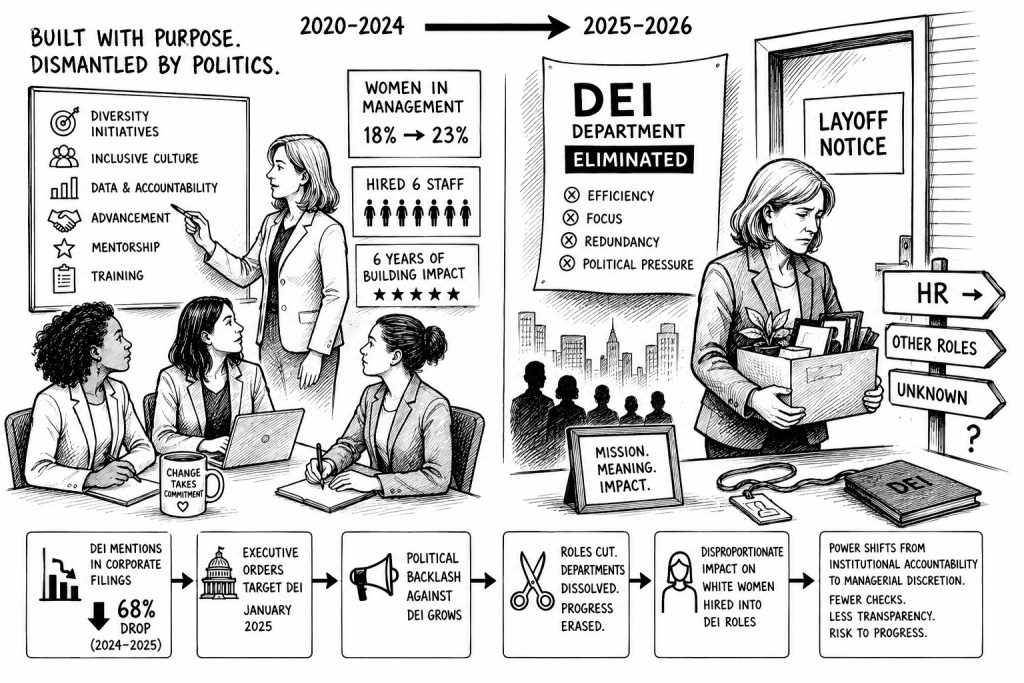
These women built departments. They hired staff. They invested in programs. They designed intervention strategies to address hiring discrimination, advance women and people of color, create inclusive cultures, and change organizational behavior. They measured progress through demographic tracking. They created accountability measures where possible. They designed training programs to address unconscious bias. They established mentorship initiatives to accelerate advancement. They worked 50+ hour weeks trying to change corporate culture and systems.
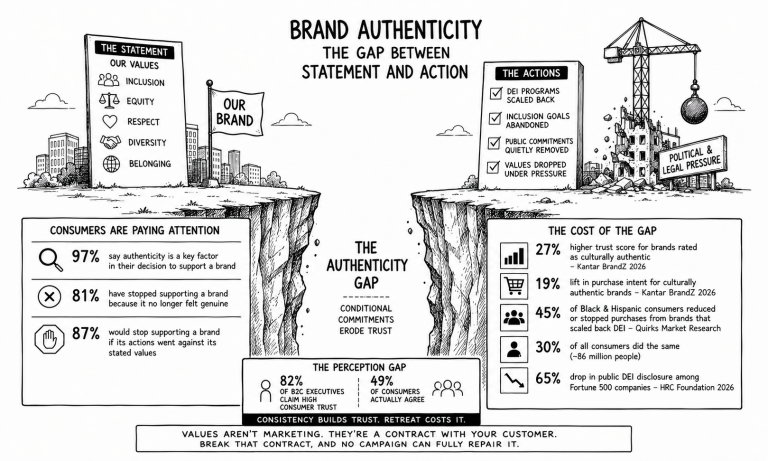
Then in 2025 and 2026, companies began eliminating the roles. The positions were cut. The departments were dissolved. Some of this was framed as efficiency—eliminating duplicate roles when regional DEI positions were consolidated into a central function. Some of this was framed as a return to focus on core business operations, implying that DEI was a distraction from primary work. Much of this reflected political pressure against diversity initiatives and the growing backlash against DEI from conservative political actors who had made opposition to diversity programs a central policy agenda.
[Additional context: In January 2025, the Trump administration signed executive orders targeting DEI programs in the federal government and federal contractors. Research from the Conference Board in August 2025 found that use of the “DEI” acronym in major corporate filings dropped 68% between 2024 and 2025.]
A DEI director who had built a diversity program over six years, hired six staff members, and implemented initiatives that moved the company’s women in management representation from 18% to 23%, received notice that her department was being eliminated. She and six colleagues were laid off. She applied for other DEI positions and found that companies across the industry were eliminating roles simultaneously. The DEI officer job market had collapsed. She transitioned into HR, accepting a position at lower salary in a field where she had no specialized expertise but was the only option available.
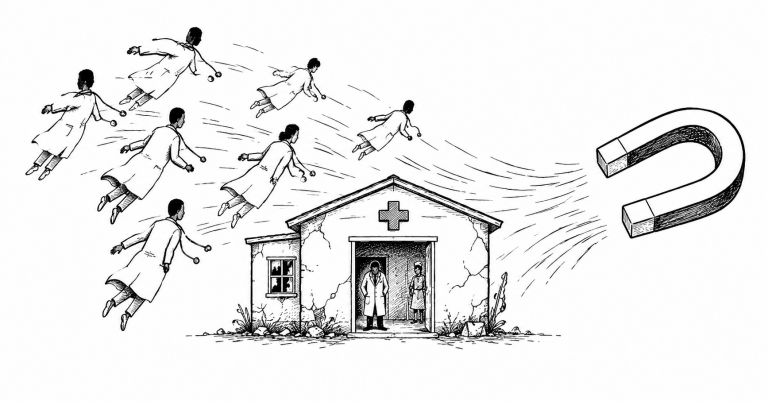
What this left behind was a group of professionals who had invested years in building expertise in DEI work and now could not find jobs in the field they specialized in. The DEI officer in year 5 of a job could not transition elsewhere because the field was contracting. Many had not maintained professional networks outside of DEI. Many had declined other career opportunities in other fields while DEI work seemed like a growth sector with job security and purpose. Now they found themselves professionally stranded with expertise in a field that was disappearing.
This happened disproportionately to white women because they were hired into DEI roles at higher rates than women of color. Black women, Latinas, and Asian American women who had built careers in diversity work also faced eliminations, but they had other professional pathways available—they could transition into corporate roles more easily because they were already part of organizations and had stronger internal networks. White women who had been hired specifically as DEI officers often had narrower professional networks within their organizations. When the DEI department was eliminated, they were pushed out entirely rather than redeployed to other functions.
This is not a long-term pattern. This is a specific 2025-2026 phenomenon driven by political backlash against diversity initiatives. The rapid creation and equally rapid elimination of DEI roles in this timeframe created a cohort of displaced professionals with specialized expertise that is no longer valued. Some will transition into HR roles or other functions. Some will leave the corporate sector. The immediate impact is job loss for women at a specific moment when the political environment shifted.
Power moved from institutional accountability—measurable commitments, tracked data, incentivized goals—to managerial discretion. Decisions about who gets hired, promoted, and retained now happen inside structures with fewer external checks.