The Billionaire Tax Fight Turns Wealth Concentration Into Ballot Infrastructure
California’s governor, both leading candidates to replace him, and the state’s largest business groups are all opposing a tax that would apply to roughly 200 people. That alignment is itself the story.
A measure to impose a one-time 5% wealth tax on Californians worth more than $1 billion qualified for the November ballot on June 17 after the healthcare workers union SEIU-UHW collected 1.6 million signatures, nearly double the 874,641 required. The tax would apply to roughly 200 billionaire residents as of January 1, 2026, generating an estimated $100 billion, with 90% earmarked for healthcare programs like Medi-Cal and 10% for food assistance and education. One billionaire has already spent $82 million trying to stop it.
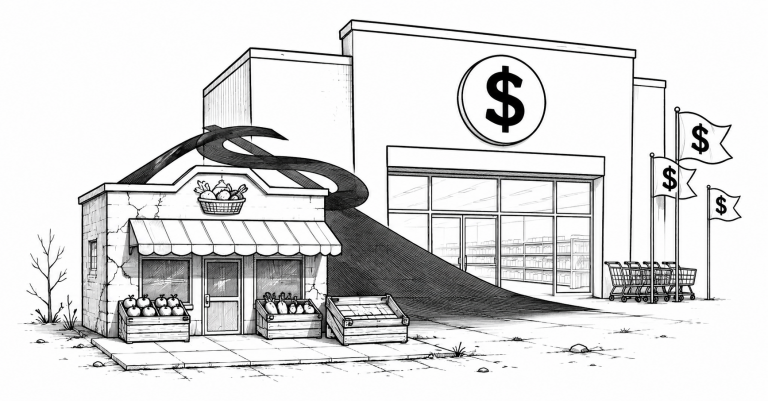
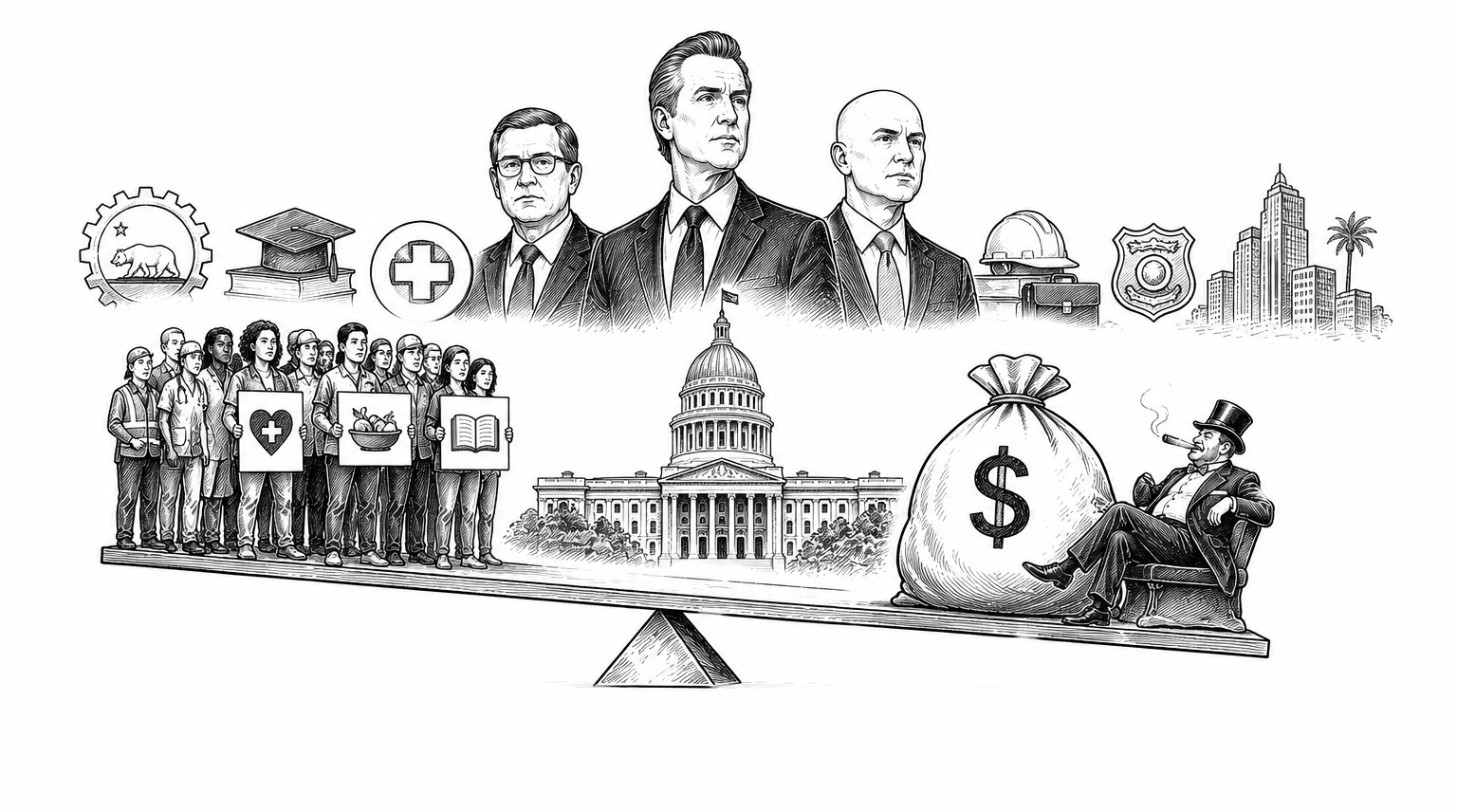
What makes this fight structurally interesting isn’t the tax itself. It’s who lined up against it. Gov. Gavin Newsom opposed the measure from the start. So did both leading candidates hoping to replace him, Democrat Xavier Becerra and Republican Steve Hilton, an alignment across the state’s entire likely gubernatorial field. The opposition coalition includes the California Chamber of Commerce, the California Teachers Association, Planned Parenthood, hospital associations, and unions representing construction workers and police officers, alongside the billionaires the tax would actually hit. A wealth tax aimed at 200 people managed to unify a coalition that spans the state’s ideological spectrum, which says less about the merits of a 5% excise tax than it does about how thoroughly concentrated wealth has embedded itself into the institutional relationships of state politics.
That embedding is the actual subject here. SEIU-UHW offered Newsom a compromise: withdraw the ballot measure in exchange for his support of a scaled-back 2% version passed through the legislature instead of by voters. Newsom declined. He said the initiative’s “fundamental flaws” remained and that the fight over taxing the wealthy “belongs at the federal level, where this broken system was created in the first place.” That’s a defensible policy position. It’s also a position that keeps the question out of California’s hands entirely, deferred to a federal process where roughly 80 billionaires who live in the state, more Forbes 400 members than any other state, have far more capacity to shape outcomes than they do inside a single state’s ballot box.
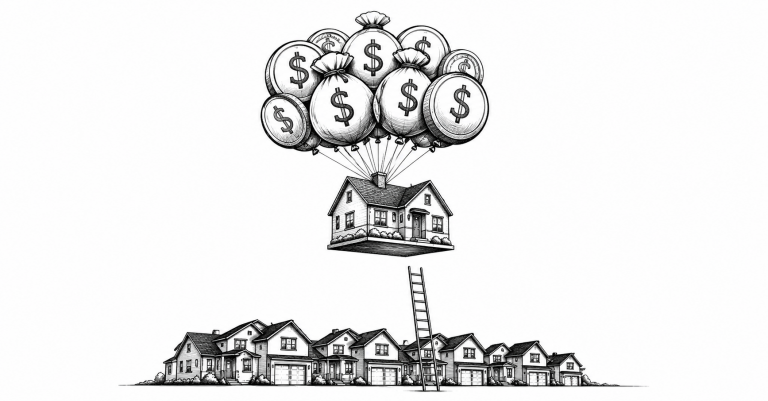
The mechanism doing the real work is the threat of capital flight, which functions as a kind of structural veto independent of any actual campaign spending. Newsom’s central argument against the tax isn’t that it’s unfair. It’s that the wealthy residents it targets will simply leave, taking future income tax revenue with them and leaving the state worse off than if it never tried. Whether or not that prediction proves accurate, its function as an argument doesn’t depend on being tested: it works by making redistribution look self-defeating before a single dollar is collected, shifting the debate from “should billionaires pay more” to “can any government credibly make them.” That’s not a policy critique. It’s a description of leverage, and it’s leverage that only concentrated wealth holds, because the threat only works when the people making it can plausibly relocate a fortune large enough for a state to notice its absence.
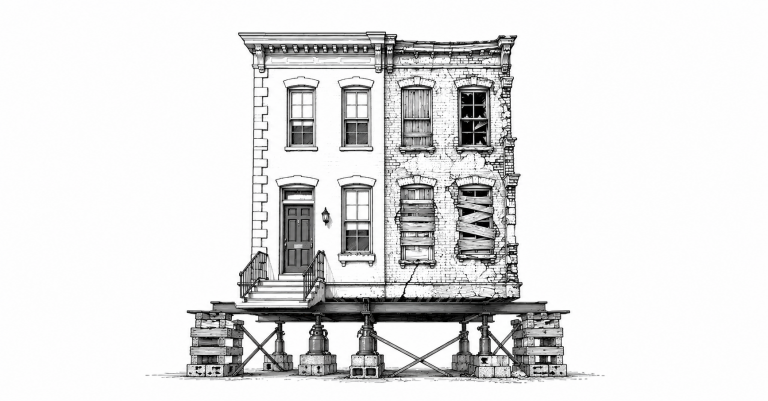
The legal architecture reinforces the same pattern. Because this is a ballot initiative rather than legislation, reversing or altering it would typically require another voter-approved measure rather than a simple legislative repeal, which is precisely why SEIU-UHW pursued the ballot route instead of trying to pass a bill through a legislature where Newsom’s opposition would likely have killed it outright. Direct democracy became the only available channel for a policy that couldn’t clear the state’s normal institutional gatekeepers, and even then, opponents are reportedly floating competing ballot measures designed to outpoll and functionally overturn it if voters approve both.
The UC Berkeley Labor Center estimates close to 3 million Californians will lose healthcare coverage over the next two years due to state and federal changes already underway, which is the funding gap the tax is explicitly designed to fill. Whatever voters decide in November, the fight itself has already demonstrated something the underlying tax debate can’t fully capture: in a state government where every major elected official and most major institutions have aligned against taxing 200 people, the ballot box was the only remaining venue where that alignment could be challenged at all. That is what it looks like when concentrated wealth becomes not just an economic fact but political infrastructure, capable of shaping which questions the normal channels of government are willing to even put to a vote.