Extreme Heat Is Becoming a Borderless Labor Condition
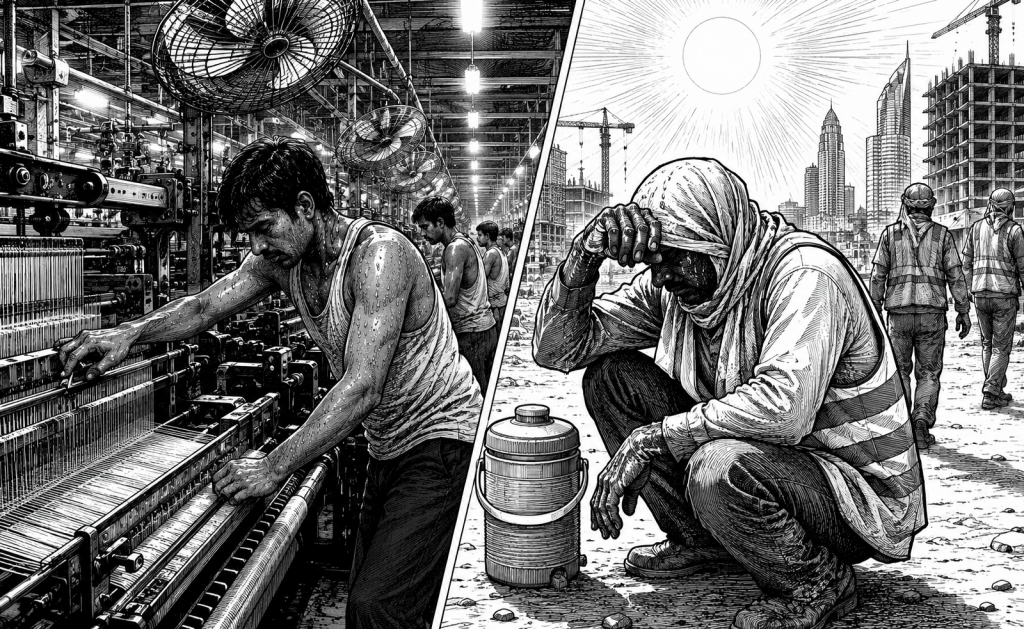
Associated Press reporting published by Newslaundry on June 25 described textile worker Sibaram Pradhan moving between as many as 15 power-loom machines in Surat, India, as heat builds inside poorly ventilated factories. Two days earlier, Human Rights Watch documented Gulf Cooperation Council countries exposing migrant workers to another deadly summer without adequate heat protections, based on interviews with 20 workers from Bangladesh, Nepal, and Pakistan in Kuwait, Qatar, Saudi Arabia, and the UAE.
Heat is a labor condition before it is treated as a labor-rights issue. The workers most exposed to extreme temperatures often have the least control over hours, housing, wage loss, medical costs, and the choice to stop working when conditions become unsafe. Climate risk enters the workday as dizziness, lost wages, injury exposure, and illness that can be undercounted or pushed back onto families.
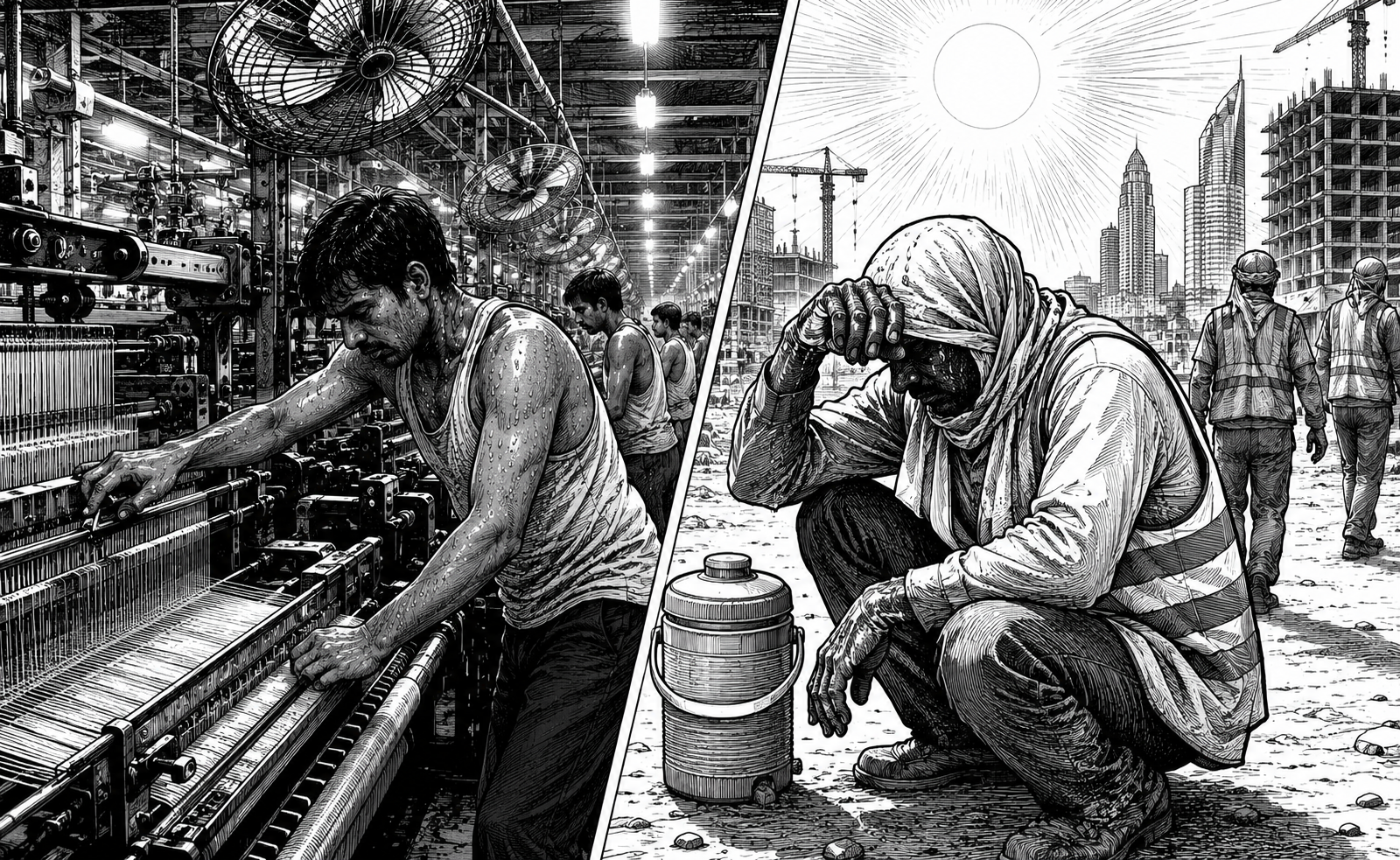
In Surat, AP described power-loom factories with little ventilation and ceiling fans trying to cool both machines and people. Workers described shifts lasting as long as 12 hours, with dizziness, headaches, and chronic fatigue as temperatures rose. The machines can reach 130 decibels, and Pradhan told AP that when workers are injured, they often bear the medical cost and lose wages for missed days.
The Gulf version of the same structure is built around migration. Human Rights Watch said outdoor workers in construction and app-based delivery are left to balance extreme heat, physically taxing work, and employer demands. Michael Page, HRW’s deputy Middle East director, said Gulf states should restrict working hours based on actual temperature thresholds rather than fixed schedules. Fixed midday bans assume heat risk can be managed by a clock, even as temperature, humidity, sun exposure, workload, rest access, and housing conditions determine actual danger.
Employers and consumer markets receive low-cost production, construction, delivery, and service labor. Workers absorb the physiological cost. When injury or illness arrives, the burden moves again — from employer to worker, from workplace to household, from formal policy to private survival.
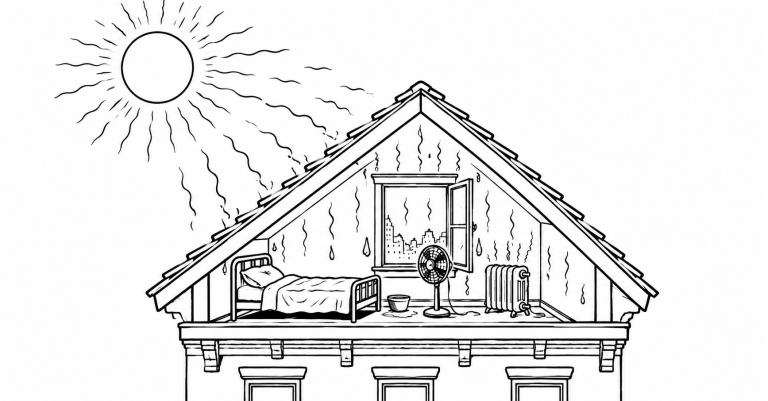
Housing closes the trap. A factory worker who leaves a hot shift for a crowded room does not leave the heat economy. A delivery rider or construction worker sleeping in poorly cooled accommodation does not recover under safe conditions. The workday expands into the night because the body never gets a full reset.
Heat policy cannot stop at climate adaptation plans written for buildings or public-health messaging. Labor enforcement has to include heat thresholds, rest breaks, shade, hydration, medical reporting, wage protection, and the right to stop unsafe work without retaliation. The next labor divide will be thermal: some workers will have climate-controlled offices, flexible hours, and legal protections; others will be asked to keep factories, roads, buildings, and delivery systems moving through conditions no shift was designed to absorb.