From international justice to European information security, Washington is increasingly pressuring partners and institutions that challenge its positions.
Softening American demand and China's tax crackdown are exposing the vulnerability of a market built on the assumption that affluent consumers will keep spending.
China has issued new guidance calling for faster industrial use of artificial intelligence while warning officials against speculative investment and poorly coordinated development. The policy emphasizes research, domestic technological capacity, industrial pilot programs and safeguards for AI-related risks. It also encourages applications in manufacturing, connected vehicles and other emerging technologies. The combination reflects a challenge facing governments globally: accelerating adoption without allowing public subsidies and private capital to flood projects that cannot demonstrate durable value. Beijing's guidance puts responsibility on officials to manage waste and avoid overlapping investments, even as it pushes technological self-sufficiency amid competition with the United States. Reuters detailed the new policy guidelines.
Retailers are turning a one-night holiday into a season of decorating, shopping and social rituals. The shift says as much about the business of celebration as it does about costumes.
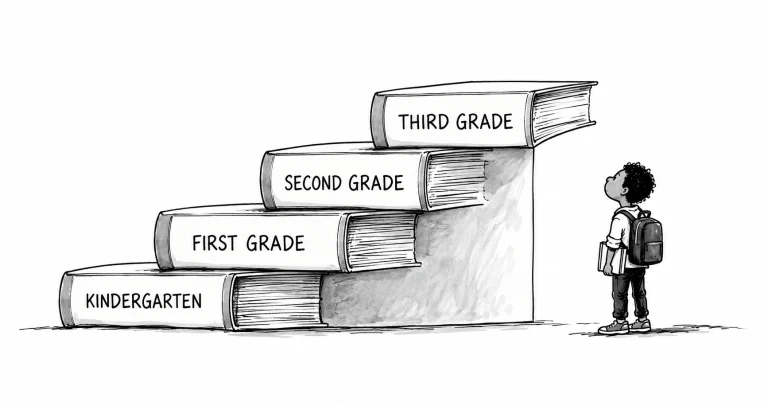
Projected voucher allocations of $766 million exceed the state formula's $737 million for Miami-Dade public and charter schools, even as those schools serve far more students.
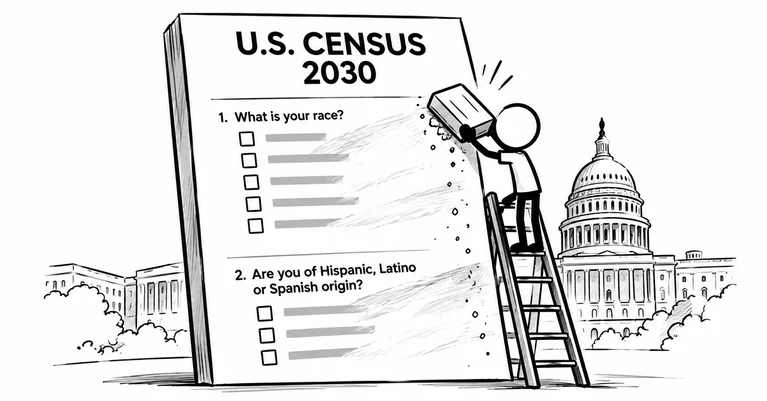
The administration has proposed removing race and ethnicity questions from the 2030 census. Those categories are imperfect, but they help enforce voting, employment and civil-rights laws and determine whether public programs reach the communities they are supposed to serve.
Unemployment is still only 4.2%, but nearly 2 million Americans have been out of work for six months or longer. The labor market’s new problem is not mass layoffs. It is getting back in once you are out.
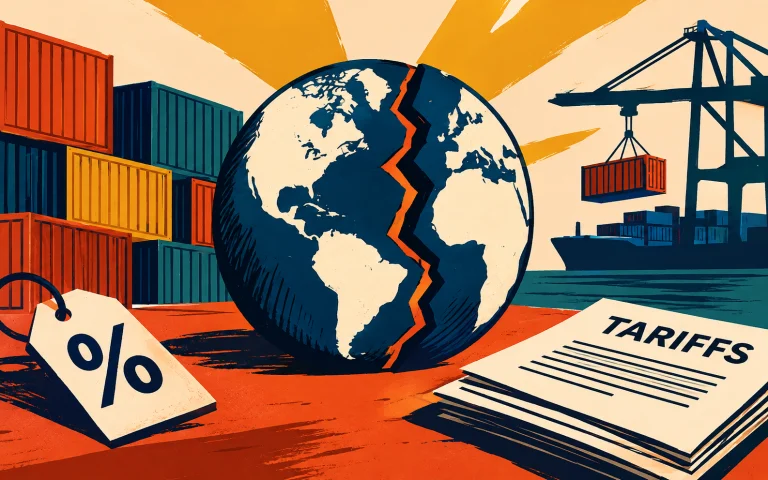
Import duties were intended to strengthen American manufacturing. For companies dependent on overseas components, the added costs are colliding with longstanding pressures on factory employment.
Two consecutive months of job losses have erased Canada’s employment gains for the year, while youth workers, public-sector employees and manufacturers absorb much of the decline.