The grocery giant's restructuring puts thousands of office jobs at risk as automation, corporate cost-cutting and pressure to lower prices reshape the retail workforce.
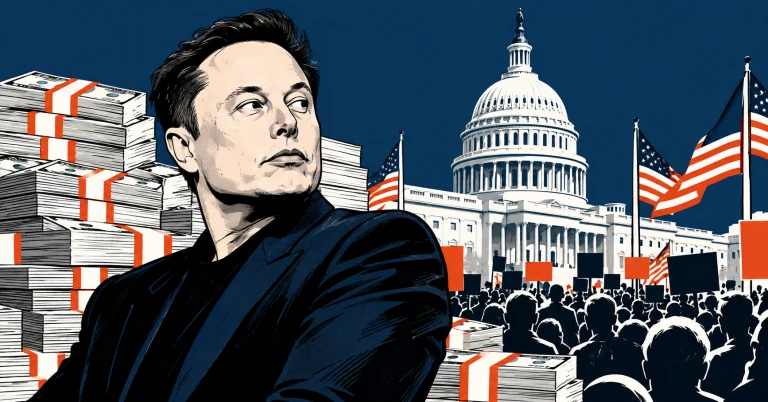
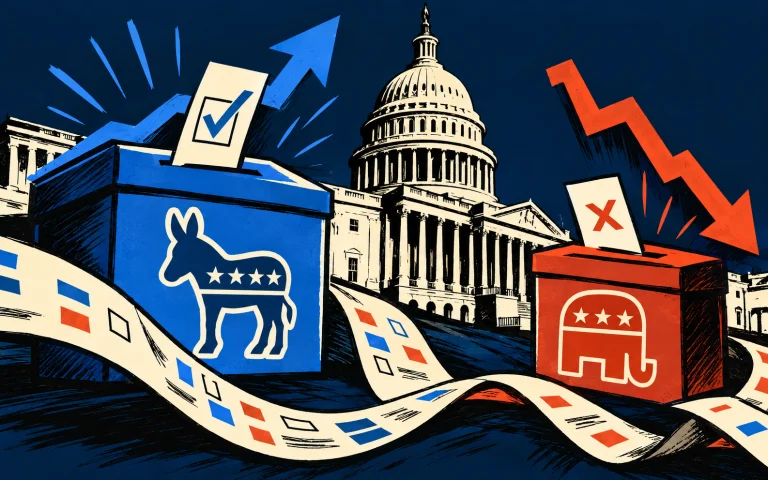
Elon Musk's political spending is funding more than campaign ads. It is shaping the infrastructure of congressional elections and raising questions about the influence of private wealth.
New Pew data shows six in 10 Americans now describe themselves as working class — including half of upper-income adults and college graduates. The label is becoming less about occupation and more about politics, status and how people understand their place in the economy.
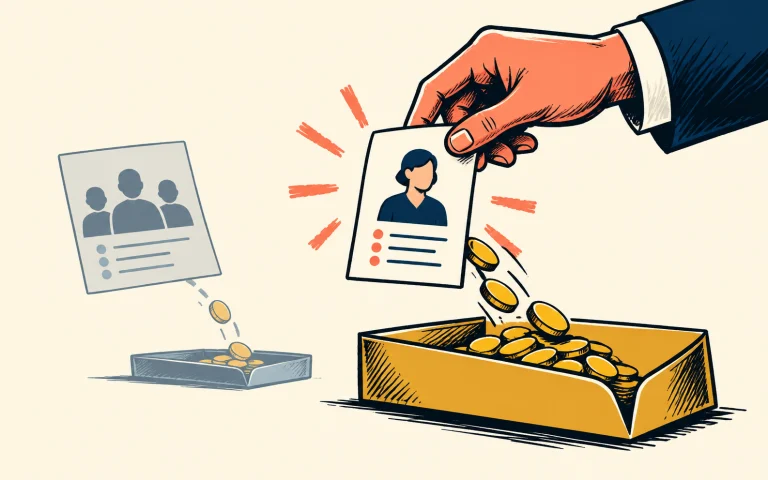
Business Insider reports that LinkedIn is moving corporate employees to a bonus structure based entirely on individual performance beginning in fiscal 2027.
A 37-country Pew survey finds growing concern about political division and manipulation—even as people continue to value the information and participation platforms make possible.
ALO is investing nearly $176 million in a Southaven, Mississippi, distribution center promising more than 400 jobs. What does that mean for the changing geography of retail employment?
Eighty-five percent of French adults say their economy is in bad shape, the highest share among 18 high-income countries Pew Research Center surveyed this year, as school protests and a deepening debt crisis put pressure on Paris.
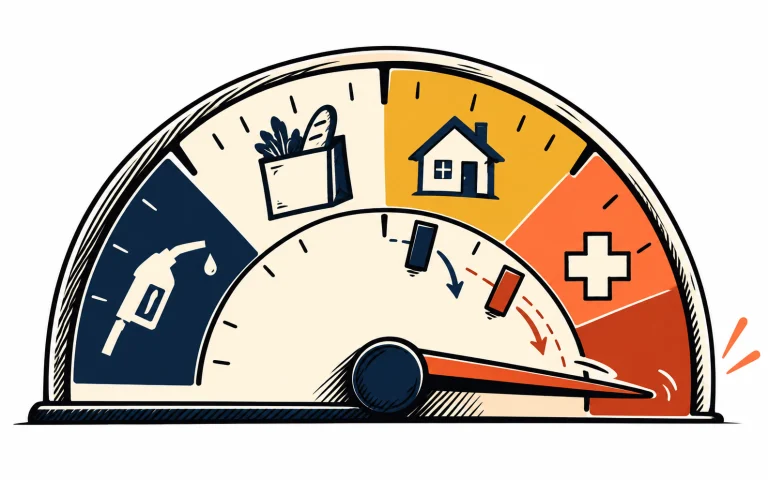
New Pew data shows concern about energy, food, housing and healthcare climbing across party lines, while support for Trump’s economic policies and tariffs is weakening inside his own coalition.
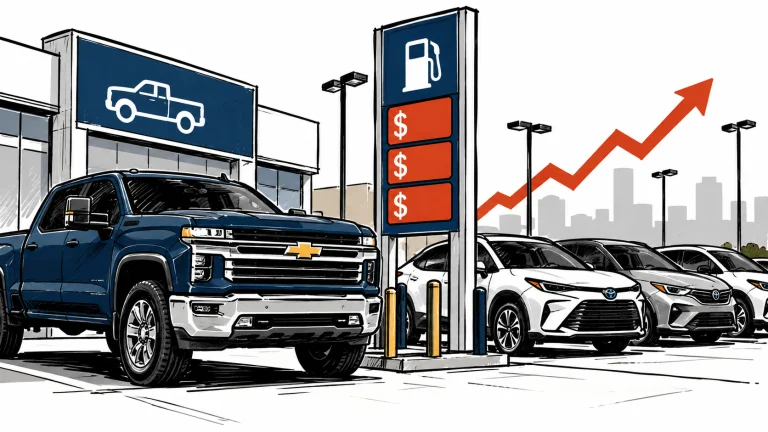
Chevrolet and GMC are preparing new V8 and diesel engines for their next generation of full-size pickups even as fuel prices rise and Asian automakers gain market share with more efficient lineups.
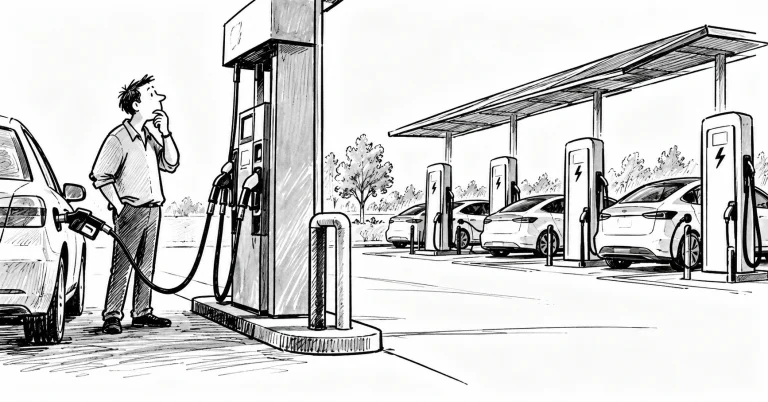
A driver stands at a familiar gas pump while a growing row of electric-vehicle chargers occupies the other side of the lot. The scene is not really about choosing between two cars. It is about watching the infrastructure around everyday transportation change before every consumer is ready—or able—to change with it. The visual puts one person inside that transition, where investment, convenience and technology increasingly determine which system feels normal.
The economy is not sending one clean signal right now. AI investment is helping sustain global growth even as companies restructure jobs around it. Household wealth is rising, but persistent prices mean many consumers do not feel richer. Retailers are cutting corporate payrolls while promising lower prices, governments are rewriting the rules people encounter at the ballot box, and humanitarian organizations are being forced to decide which services they can still afford to provide. Five developments heading into October 13 show the same underlying tension: institutions are adapting quickly, while individuals are increasingly being asked to absorb the transition.
Federal investigators are examining whether nine U.S. universities improperly used J-1 exchange-visitor visas for international researchers and scholars. The institutions identified in reporting include Harvard, Yale, Stanford, MIT, Caltech, Brown, Arizona State, the University of Pittsburgh and UC Davis. Officials allege that some institutions may have used the program to reduce labor costs; those claims remain allegations while the investigations proceed. The inquiries arrive as universities are already navigating tighter immigration rules and uncertainty over federal research support. The stakes extend beyond individual visa holders: international research collaborations often depend on the ability to recruit specialists and maintain predictable employment pathways. The Indian Express reported the investigations and universities' responses.