The news tells you what happened. We explain what changed.

Explore all past issues, only on Beehiiv.
Every story we have published, newest first.
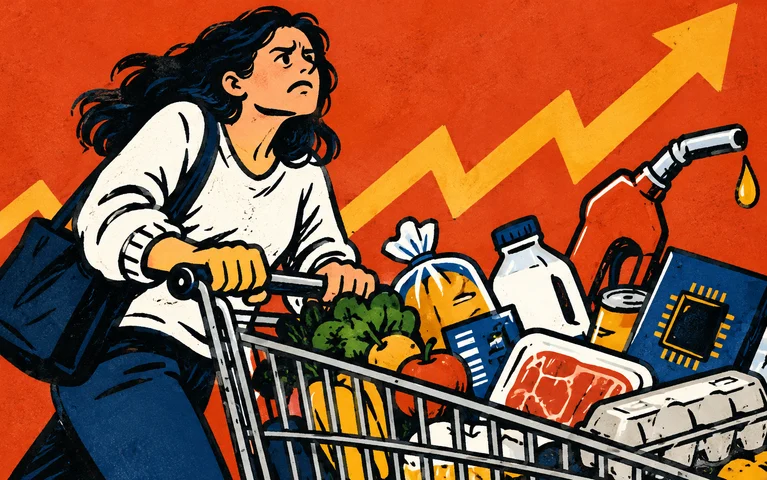
Prices accelerated again in September, with higher energy costs adding to broader increases across the economy just weeks before the midterm elections.

Christian did not leave New York City because he stopped loving it. He left because remaining there increasingly required him to accept conditions that no longer made financial sense. He lived on West 118th Street near Riverside Drive in Harlem, a prime Manhattan location where access to Riverside Park, transit, restaurants and the broader energy of the city helped justify compromises inside the apartment. He was paying about $3,500 a month for a one-bedroom in a pre-war building, where the appliances were old, the elevator was frequently out of order and what was technically an elevator building regularly became a walk-up. Mice became enough of a problem that he plugged openings around the oven and air-conditioning unit to keep them from entering the apartment. None of those conditions stopped his landlord from raising the rent three separate times during his tenancy. For a while, the location made those compromises easier to rationalize because much of the value of living in New York existed outside his front door. Eventually, however, the price of staying overtook the value of the experience, and moving became less of a lifestyle choice than a financial necessity.
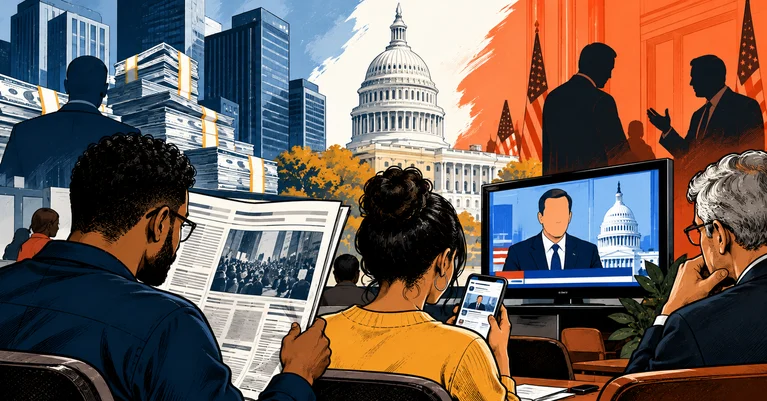
Americans may agree that news organizations face outside pressure, but they do not agree on what the government should be allowed to do about it. In a September 15 Pew Research Center study, 81% of U.S. adults said corporate and financial interests have at least some influence over which stories receive coverage. An identical 81% said the same of government and political interests. Those findings describe perceptions rather than documented instances of interference. Still, they identify a problem for journalism that cannot be resolved by simply declaring the press independent: readers want to know who shapes the agenda, what incentives operate behind editorial choices and where government authority ends.
Researchers paid students about $5 a night to reach seven hours of sleep. The results suggest colleges may be overlooking sleep as an academic intervention.

Twenty-two people gathered for dinner in New York while 14 AI agents held a separate conversation online. The experiment offers an early look at a future in which software represents people in relationships, negotiations and business decisions.
Pfizer is cutting 150 jobs in Portage while Kroger plans thousands of corporate reductions. Michigan shows how a labor market can remain far from recession-level unemployment and still become substantially harder for workers to navigate.
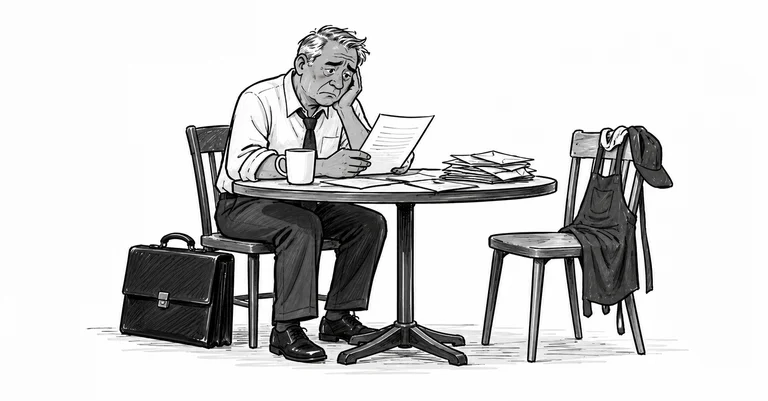
Older workers often have lower unemployment rates than younger workers. But when they lose long-held jobs, getting back to comparable work is much harder — and the financial damage can be severe.
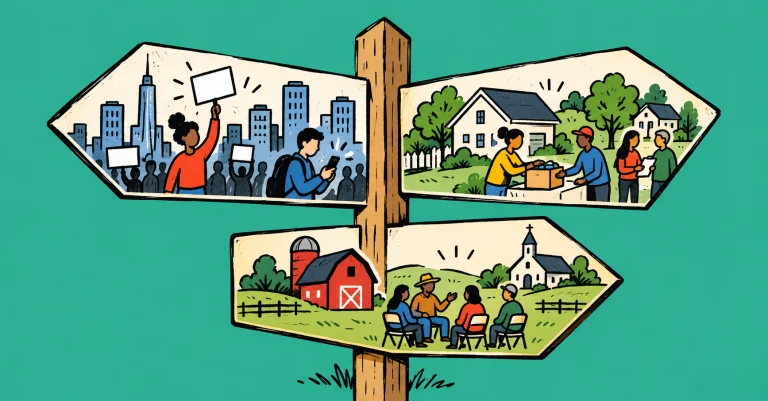
Suburban Americans are more likely to volunteer and join organizations. Rural residents gather in person more often. Urban residents are more likely to consume news and take to the streets. The geography of civic life still shapes how Americans show up.

The Justice Department accused CVS of filling unlawful opioid prescriptions while corporate staffing and performance policies made it harder for pharmacists to exercise oversight. CVS disputes the allegations and admits no wrongdoing.

New York City is moving toward banning horse-drawn carriage rides in Central Park by 2028, potentially ending a tourist tradition that has operated in the city for more than 150 years. The latest push followed the death of 18-year-old Romanch Mahajan, an Indian tourist who was fatally injured after a carriage horse bolted in Central Park this summer. Animal-welfare advocates and city leaders argue that horse-drawn carriages no longer belong in a crowded modern park where pedestrians, cyclists, vehicles and tourists compete for space. The carriage industry and its union say a ban would eliminate the livelihoods of workers, many of them immigrants, and argue that stronger safety rules would be preferable to eliminating the trade. The proposed legislation includes a transition plan for affected workers and requirements governing what happens to the horses after the industry closes. New York has debated this question for years, but the argument is now larger than whether carriage rides are charming or outdated: it is about what happens when a city’s cultural traditions collide with changing standards for safety, labor and animal welfare.

At 46, Dennis thought his professional experience would give him some protection in a difficult job market. He had spent four years as a development director at a nonprofit, earned $108,000 annually and had reached a point in his career where the next move was supposed to build on what he had already accomplished. Instead, after leaving his position, he spent seven months looking for work and watched the assumptions he had made about his market value slowly unravel. Dennis submitted 142 job applications, received five interviews and ultimately received one offer. The position paid $71,000 a year, $37,000 less than his previous salary, representing a reduction of roughly 34%. By the time the offer arrived, however, the decision was no longer simply about whether the salary reflected his experience or whether the title represented the next logical step in his career. It had become a question of how much longer he could afford to remain unemployed.

The South African jurist moved from apartheid-era legal barriers to international courts. Her peace prize recognizes both a life’s work and the institutions that give it reach.
