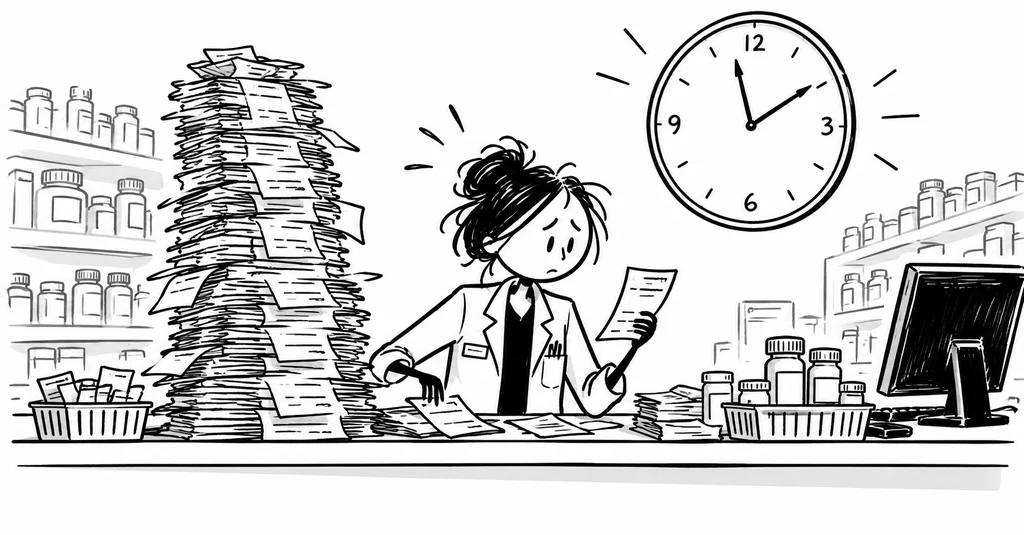
The Justice Department accused CVS of filling unlawful opioid prescriptions while corporate staffing and performance policies made it harder for pharmacists to exercise oversight. CVS disputes the allegations and admits no wrongdoing.
CVS Pharmacy and several subsidiaries have agreed to pay $315 million to settle a federal lawsuit alleging the company unlawfully filled opioid prescriptions and sought reimbursement for some of them through government healthcare programs. The settlement, announced October 13, resolves a case the Justice Department filed in 2024, accusing one of the nation’s largest pharmacy chains of dispensing controlled substances without adequate safeguards. CVS denies the allegations and says the agreement includes no admission of wrongdoing. But the case reaches beyond the legitimacy of individual prescriptions. It raises questions about whether corporate operating requirements gave pharmacists enough time, information and authority to stop potentially dangerous transactions.
When Filling Prescriptions Becomes a Productivity Measure
According to the Justice Department’s original complaint, CVS allegedly filled prescriptions for unusually high opioid doses, dangerous drug combinations and medications ordered by prescribers associated with so-called pill mills. Federal officials also accused the company of ignoring warning signs identified through internal records and by its own pharmacists. The government alleged that staffing levels, performance targets and incentive compensation policies created pressure to process prescriptions without sufficient time to investigate whether they served a legitimate medical purpose. Those allegations have been disputed by CVS and were not established as findings of liability through the settlement.
The scale of the operation helps explain why those allegations attracted federal scrutiny. The government’s 2024 complaint said CVS operated more than 9,000 pharmacies and had dispensed over 12 billion opioid doses between 2015 and 2020. That figure describes total opioid dispensing during the period, not a determination that those doses were unlawful. In a pharmacy network of that size, staffing decisions and performance standards can influence how much time employees have to question prescriptions, contact prescribers or investigate potential misuse. The case therefore examines not only decisions made at pharmacy counters but also the corporate systems governing how those decisions are made.
CVS Disputes the Government’s Account
CVS has consistently challenged the government’s interpretation of pharmacy responsibilities. In its response to the federal lawsuit, the company argued that regulators were attempting to impose unclear and changing standards on pharmacists filling prescriptions issued by licensed medical professionals. Following the settlement announcement, CVS said its pharmacists receive training in appropriate medication dispensing and that it has established programs intended to support patient safety. The company maintains that it disagrees with the allegations. The settlement also includes additional safeguards related to dispensing controlled substances, according to Associated Press reporting.
A Wider Test of Pharmacy Accountability
The agreement arrives amid a broader effort to hold pharmacy chains responsible for their roles in dispensing controlled substances. In August, Walmart agreed to pay $50 million to resolve federal allegations involving unlawful opioid prescriptions. CVS has also participated in separate nationwide opioid settlements involving states and local governments. Its June 2026 financial filing reported approximately $3.4 billion in remaining accrued liabilities associated with opioid litigation. That figure preceded the newly announced federal settlement and should not be interpreted as an additional payment required by this agreement.
The settlement leaves an operational question for the pharmacy industry: how should companies measure performance when employees are legally responsible for slowing down or refusing transactions that raise safety concerns? Processing prescriptions efficiently can reduce patient wait times, but pharmacists must also evaluate potentially dangerous combinations, suspicious prescribing patterns and other warning signs. Those responsibilities require sufficient staffing, access to information and discretion. The allegations against CVS illustrate the potential conflict between standardized productivity expectations and professional judgment, even though the settlement does not establish that the company violated the law.
The next measure of accountability will be found less in the settlement amount than in the safeguards that follow it. Regulators can examine whether pharmacy employees have the resources and authority to investigate questionable prescriptions, while companies must demonstrate that compliance policies function under everyday operating pressures. The $315 million agreement resolves the federal case. Whether the industry’s operating practices adequately support the pharmacists responsible for protecting patients remains an important question.